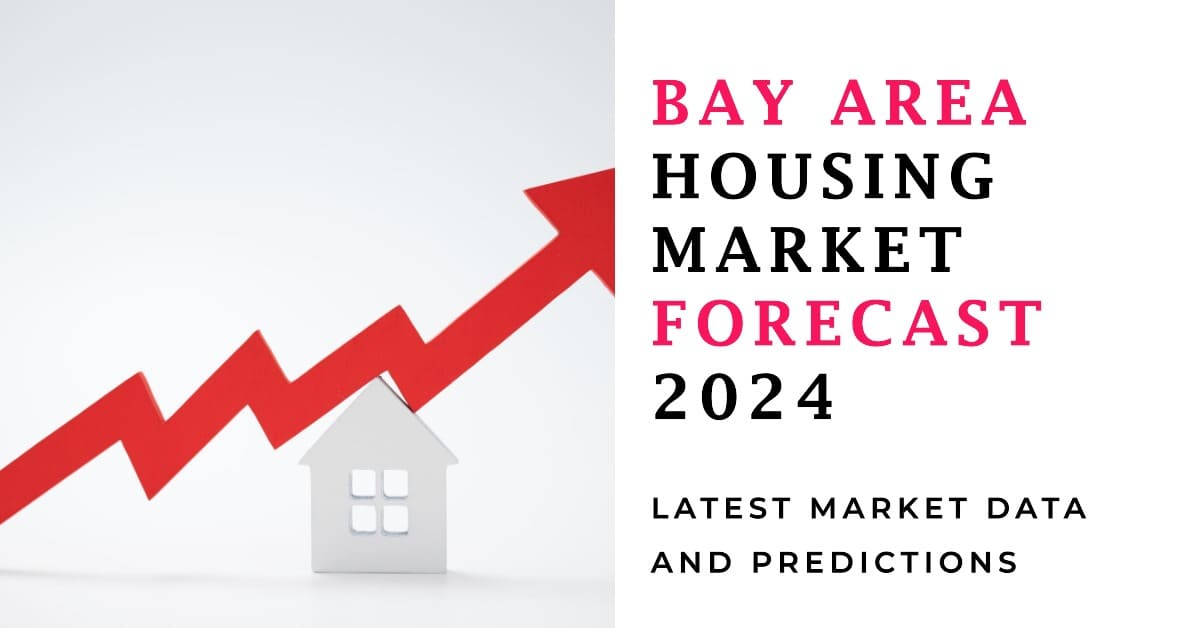
In a move that has been long anticipated, the Federal Reserve has cut interest rates by half a percentage point. This decision, as reported by NPR, is expected to ripple through the housing market, potentially drawing more buyers and impacting housing prices and availability.
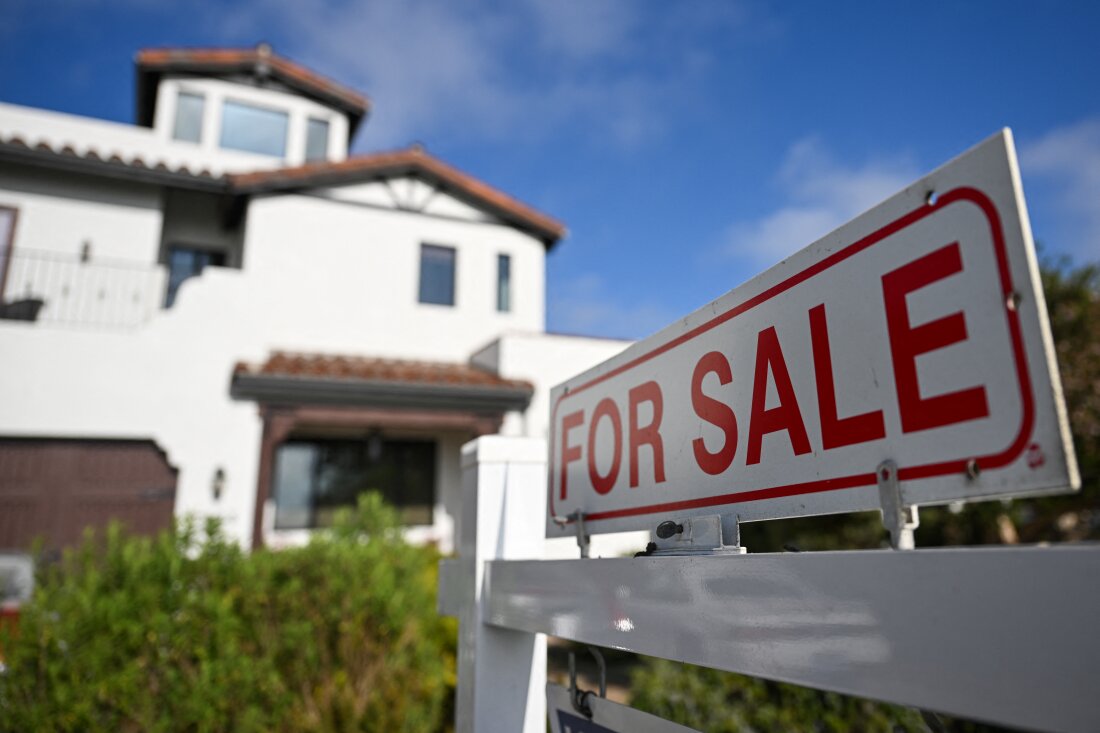
House for sale in los angeles, august 2024

Mortgage Rates: A Mixed Bag

Mortgage rates, which soared to nearly 8% last year, have already begun to decline, even before the Fed’s official announcement. Currently, long-term fixed-rate mortgages are hovering around 6.2%, the lowest since February 2023. However, experts like Charlie Dougherty from Wells Fargo suggest that while rates might dip slightly, significant reductions are unlikely in the immediate future.

Impact on Home Prices

While lower mortgage rates might seem like a boon for homebuyers, they could paradoxically drive up housing prices. As rates drop, more buyers may re-enter the market, intensifying competition for a limited supply of homes. This scenario is particularly daunting for first-time buyers, who have already faced challenges from bidding wars and high prices.

The Supply Dilemma

The U.S. housing market is grappling with a significant supply shortage, estimated to be millions of units short. High interest rates have previously hampered smaller developers from initiating new projects. The recent rate cut could ease this burden, encouraging more construction and potentially alleviating some of the supply constraints.
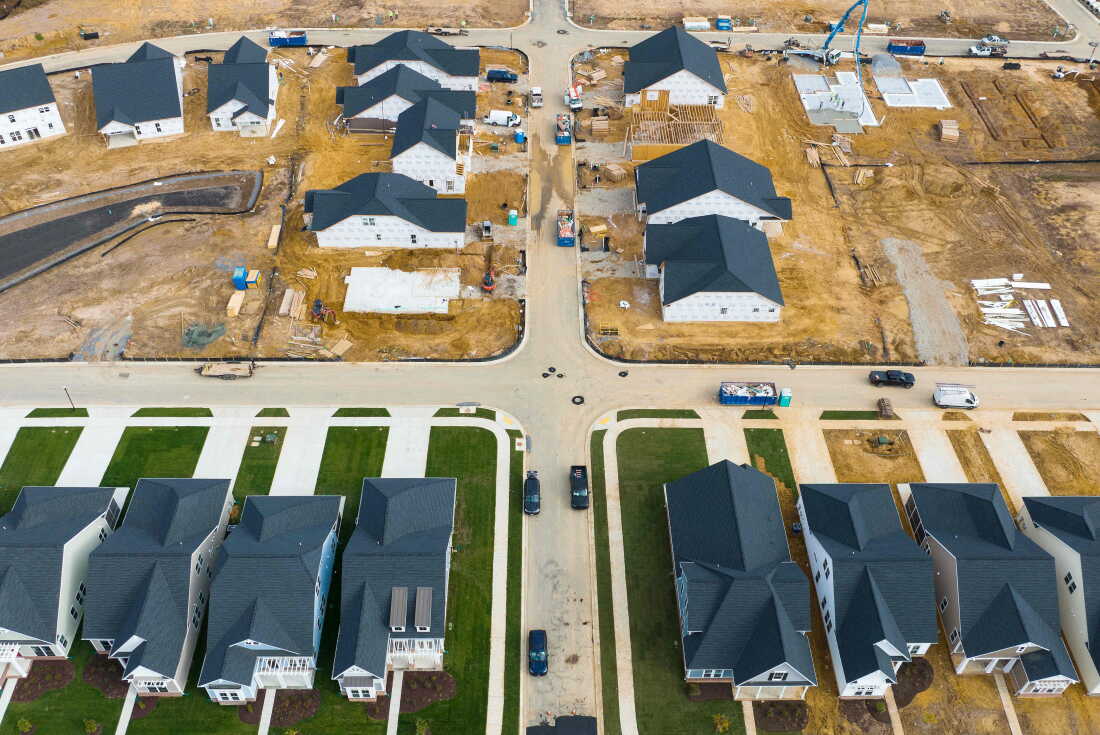
New homes construction in trappe, maryland, 2022

Affordability Challenges Persist

Despite the potential for lower monthly payments due to reduced mortgage rates, the overarching issue of affordability remains. Home prices have surged by approximately 50% since early 2020, outpacing average household income growth, according to Dougherty. This disparity continues to place homeownership out of reach for many.
As the market adjusts to these changes, it is clear that the Federal Reserve’s rate cut is just one piece of a complex puzzle. For more insights, visit the original article on NPR.

More Articles

Getting licensed or staying ahead in your career can be a journey—but it doesn’t have to be overwhelming. Grab your favorite coffee or tea, take a moment to relax, and browse through our articles. Whether you’re just starting out or renewing your expertise, we’ve got tips, insights, and advice to keep you moving forward. Here’s to your success—one sip and one step at a time!

Housing Costs Surge: Navigating the 2024 Construction Material Price Hike

In an unexpected twist of economic fate, the construction industry finds itself grappling with a steep ascent in building material costs, a trend that began its climb at the dawn of 2024.

Texas High-Tech Sector Rebounds Post-Pandemic, Set for New Growth Trajectory

As the dust settles from the pandemic, Texas' high-tech sector is shaking off its post-pandemic slump and gearing up for a new growth trajectory.

Struggling Landlords Seek Relief Amid Rising Insurance Costs

In the ever-evolving landscape of commercial real estate, a new challenge has emerged, straining the resilience of landlords and developers alike. The soaring costs of insurance, exacerbated by climate-induced natural disasters, are creating a formidable obstacle for property owners. Particularly affected are coastal cities and towns, where the risk of storms and floods is high.

By |October 24, 2024|Categories: Article, Insurance, Real Estate|Tags: , |0 Comments

CDK Global’s Cyberattack Disrupts U.S. Car Dealerships

In a significant cyberattack that has disrupted operations across the United States, CDK Global, a leading provider of cloud-based software to automotive dealerships, was forced to shut down most of its systems. This incident has highlighted the vulnerabilities and rising trend of cyberattacks targeting the auto industry.

By |October 23, 2024|Categories: Article, Automotive Industry, Cybersecurity|Tags: , |0 Comments

Commercial Real Estate: A Sector Under Siege

The commercial real estate landscape has experienced seismic shifts, particularly with properties purchased prior to the Covid-19 pandemic. Many of these assets now hold diminished value compared to the loans used to acquire them.