In a move that has been long anticipated, the Federal Reserve has cut interest rates by half a percentage point. This decision, as reported by NPR, is expected to ripple through the housing market, potentially drawing more buyers and impacting housing prices and availability.

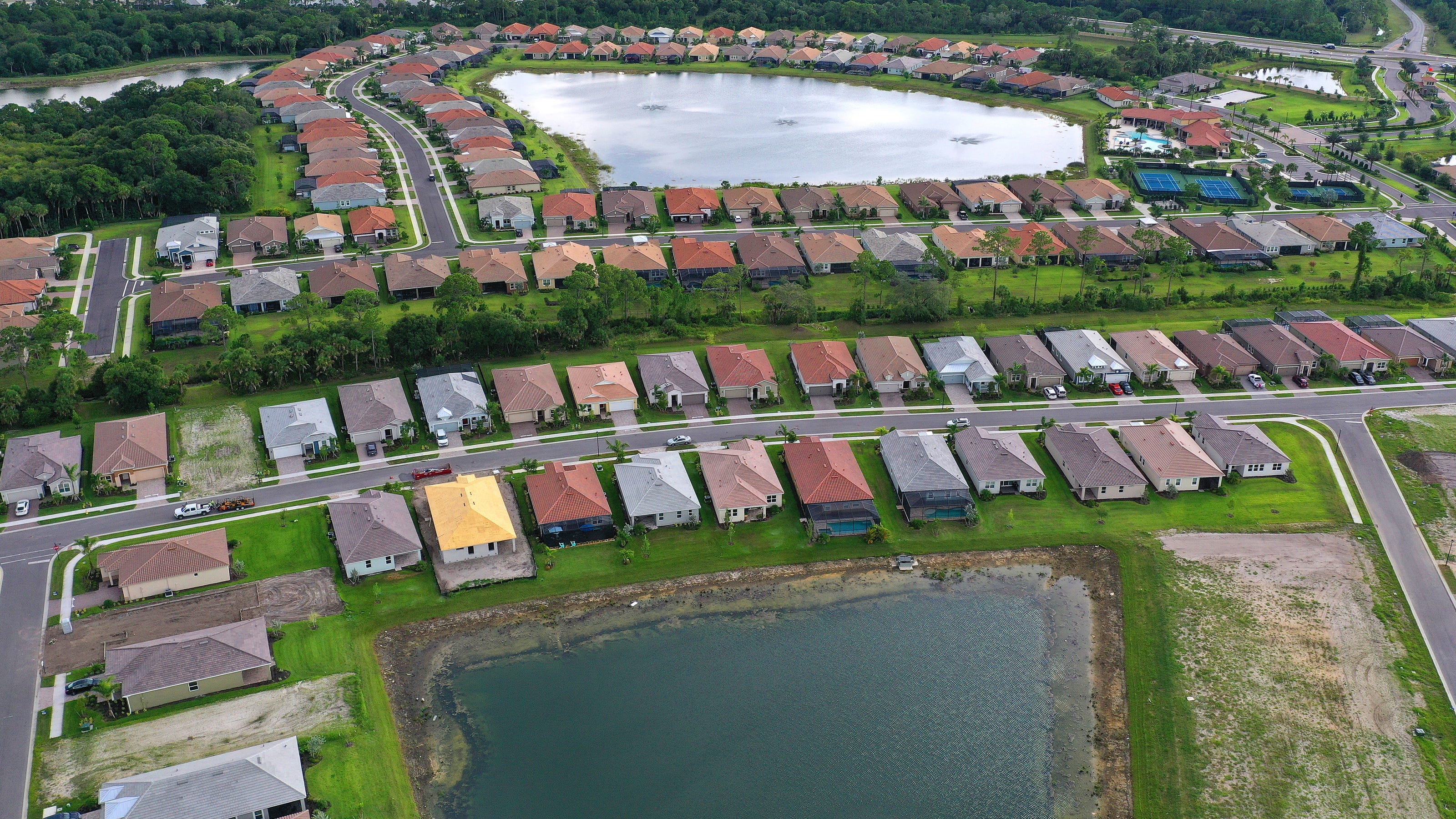
House for sale in los angeles, august 2024

Mortgage Rates: A Mixed Bag

Mortgage rates, which soared to nearly 8% last year, have already begun to decline, even before the Fed’s official announcement. Currently, long-term fixed-rate mortgages are hovering around 6.2%, the lowest since February 2023. However, experts like Charlie Dougherty from Wells Fargo suggest that while rates might dip slightly, significant reductions are unlikely in the immediate future.

Impact on Home Prices

While lower mortgage rates might seem like a boon for homebuyers, they could paradoxically drive up housing prices. As rates drop, more buyers may re-enter the market, intensifying competition for a limited supply of homes. This scenario is particularly daunting for first-time buyers, who have already faced challenges from bidding wars and high prices.

The Supply Dilemma

The U.S. housing market is grappling with a significant supply shortage, estimated to be millions of units short. High interest rates have previously hampered smaller developers from initiating new projects. The recent rate cut could ease this burden, encouraging more construction and potentially alleviating some of the supply constraints.
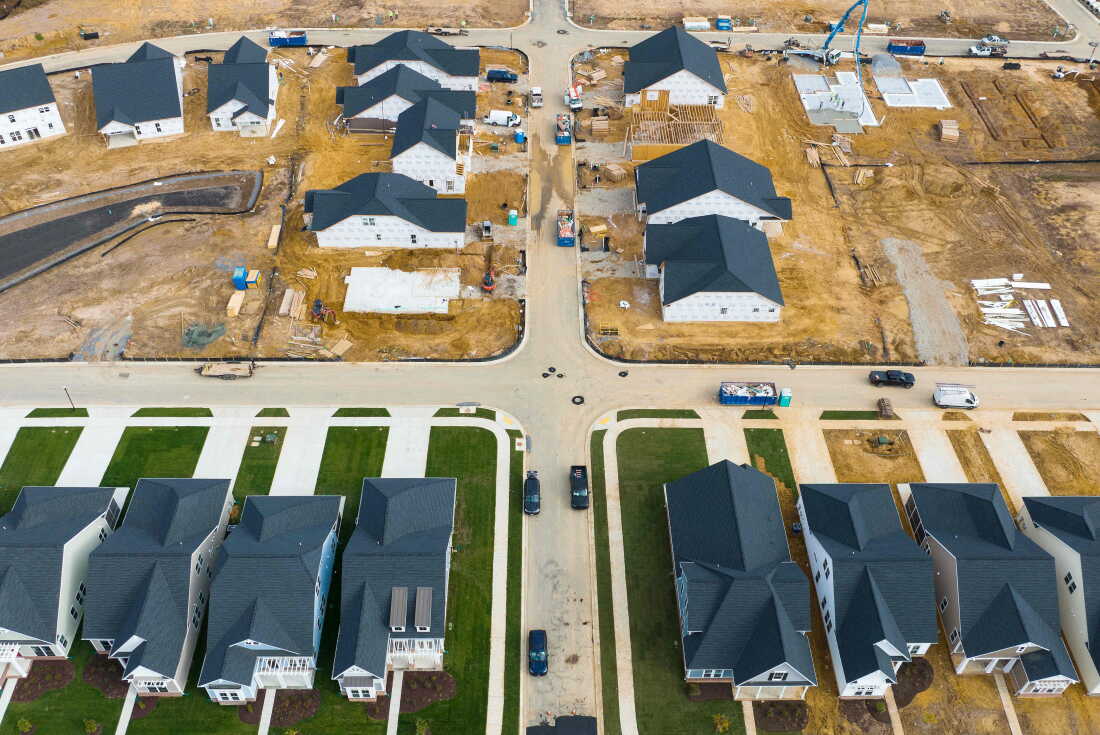
New homes construction in trappe, maryland, 2022

Affordability Challenges Persist

Despite the potential for lower monthly payments due to reduced mortgage rates, the overarching issue of affordability remains. Home prices have surged by approximately 50% since early 2020, outpacing average household income growth, according to Dougherty. This disparity continues to place homeownership out of reach for many.
As the market adjusts to these changes, it is clear that the Federal Reserve’s rate cut is just one piece of a complex puzzle. For more insights, visit the original article on NPR.

More Articles

Getting licensed or staying ahead in your career can be a journey—but it doesn’t have to be overwhelming. Grab your favorite coffee or tea, take a moment to relax, and browse through our articles. Whether you’re just starting out or renewing your expertise, we’ve got tips, insights, and advice to keep you moving forward. Here’s to your success—one sip and one step at a time!

The Rise of Fintech: How Technology Is Reshaping Money and Modern Careers

Fintech has evolved from simple digital banking tools into a global force transforming how we pay, borrow, invest, and manage financial data. With AI, blockchain, and open banking leading the way, fintech is opening new opportunities for consumers, businesses, and professionals across real estate, mortgage, insurance, and finance.

Large CRE Deals Surge in Q3 2025 as Market Confidence Returns

After months of hesitation, the commercial real estate market showed a major resurgence in Q3 2025. Large single‑asset transactions over $10 million jumped to $76 billion — the strongest level since 2022 — signaling renewed liquidity and growing confidence among institutional buyers. While overall volumes remain below peak highs, rising deal counts, stabilizing prices, and increased activity across industrial, multifamily, office, and retail sectors point toward a market steadily moving back toward normalization.

California’s Insurance Crisis: Politics, Wildfires, and a System on the Brink

California’s property insurance market didn’t collapse overnight—it unraveled over years of political delays, soaring wildfire losses, and mounting pressure on insurers and reinsurers. As major carriers pulled out and rate approvals stalled, millions of homeowners were left scrambling for coverage under an overwhelmed FAIR Plan. At the center of the controversy stands Insurance Commissioner Ricardo Lara, whose decisions, industry ties, and behind‑the‑scenes negotiations have drawn sharp criticism. The result is a destabilized market affecting homeowners, real estate professionals, lenders, and entire communities—and the question of whether current reforms can truly fix what’s broken.

Large U.S. CRE Deals Roar Back in Q3 2025, Signaling Investor Confidence

After a slow start to the year, commercial real estate showed a major resurgence in Q3 2025 as large single‑asset deals over $10 million surged past $76 billion in volume. With 1,826 major trades and the strongest growth rate in more than a decade, investor confidence appears to be returning across U.S. markets. While overall volumes still trail the record highs of 2021–2022, the renewed momentum in big‑ticket transactions points to improving liquidity, clearer pricing, and a potentially pivotal turning point for brokers, investors, and industry professionals.

California’s Insurance Meltdown: The Crisis Reshaping Real Estate, Finance, and Insurance Nationwide

California’s property insurance market has unraveled into one of the most expensive and consequential crises in U.S. history. Major carriers pulled back, wildfire risks soared, regulators stalled, and the state’s FAIR Plan exploded in size — leaving hundreds of thousands of homeowners without affordable coverage. Now, with victims underinsured, premiums surging, and a billion‑dollar bailout looming, the fallout is spilling beyond California. For real estate, mortgage, finance, and insurance professionals across the country, this is a warning of what happens when rising climate risks collide with outdated regulatory systems.

Florida’s Next Mega-Development: Winchester Ranch Set to Add Nearly 9,000 Homes in Sarasota County

Sarasota County is on the brink of one of its largest modern expansions as the Winchester Ranch project moves closer to approval. Spanning more than 3,100 acres near North Port, the planned mega-development could bring up to 8,999 homes plus major commercial and industrial space. With construction projected to begin in 2027–2028, the community has sparked both excitement over new housing opportunities and concerns about environmental impact, placing it at the center of Florida’s ongoing growth debate.