Amid a backdrop of political maneuvering and administrative scrutiny, a memo from the Trump administration has sent ripples through the corridors of federal agencies. The directive, issued on a Monday night, mandated a temporary freeze on funding for a wide array of governmental programs, leaving agency officials and affiliated organizations grappling with uncertainty. Schools, hospitals, and states, all reliant on federal support, found themselves ensnared in a web of confusion.

As the order loomed, a federal judge intervened, blocking its implementation just as it was about to take effect. The directive was accompanied by a spreadsheet cataloging approximately 2,600 programs now under review. This sweeping list spans virtually every federal initiative that allocates funds, even touching on programs like Medicare, which officials assured would remain unaffected.

At the heart of this scrutiny lies a directive from the Office of Management and Budget, which seeks to ensure these programs do not “advance Marxist equity, transgenderism, and Green New Deal social engineering policies.” Agencies were tasked with answering probing questions about each budget line, including whether a program “promotes gender ideology.”

While the Trump administration has reassured the public that direct payments to Americans are not at risk, the list encompasses numerous programs that provide vital aid to millions. Programs like Medicaid and Head Start, which are funded through grants to states, local governments, or nonprofits, have already reported interruptions. The Office of Management and Budget has highlighted certain programs where these disruptions have occurred or where no freeze will be implemented.

The extensive nature of the list, which even includes interest payments on the federal debt, raises questions about whether it reflects mere oversights and contradictions or signals broader ambitions of the administration. The programs, alongside their estimated annual spending for 2024, encapsulate much of the federal government’s influence on American life.

For a deeper dive into this unfolding story, the original article from The New York Times offers a comprehensive analysis of the situation.


More Articles

Getting licensed or staying ahead in your career can be a journey—but it doesn’t have to be overwhelming. Grab your favorite coffee or tea, take a moment to relax, and browse through our articles. Whether you’re just starting out or renewing your expertise, we’ve got tips, insights, and advice to keep you moving forward. Here’s to your success—one sip and one step at a time!

The PropTech Revolution: Transforming Real Estate with Innovation

"The challenges faced by the PropTech industry are vast, ranging from data security and regulatory compliance to the implementation of sustainable practices. Yet, technologies such as Artificial Intelligence (AI), Virtual Reality (VR), Internet of Things (IoT), and Blockchain are pivotal in addressing these hurdles."

By |February 9, 2025|Categories: Article, Real Estate, Technology|Tags: , |0 Comments

Emerging Neighbourhoods: The UK’s Next Property Hotspots

This shift is reshaping the landscape of the British property market, uncovering hidden gems that promise significant returns.

By |February 9, 2025|Categories: Article, Investment, Real Estate|Tags: , |0 Comments

2025 Commercial Real Estate Outlook: Navigating a New Era

The commercial real estate sector is poised to emerge from recent tumultuous years, armed with insights and strategies to better position itself for the future. According to a detailed analysis by Deloitte, the 2025 outlook offers a roadmap for industry leaders to navigate the evolving landscape.

By |February 8, 2025|Categories: Article, Economic Outlook, Real Estate|Tags: |0 Comments

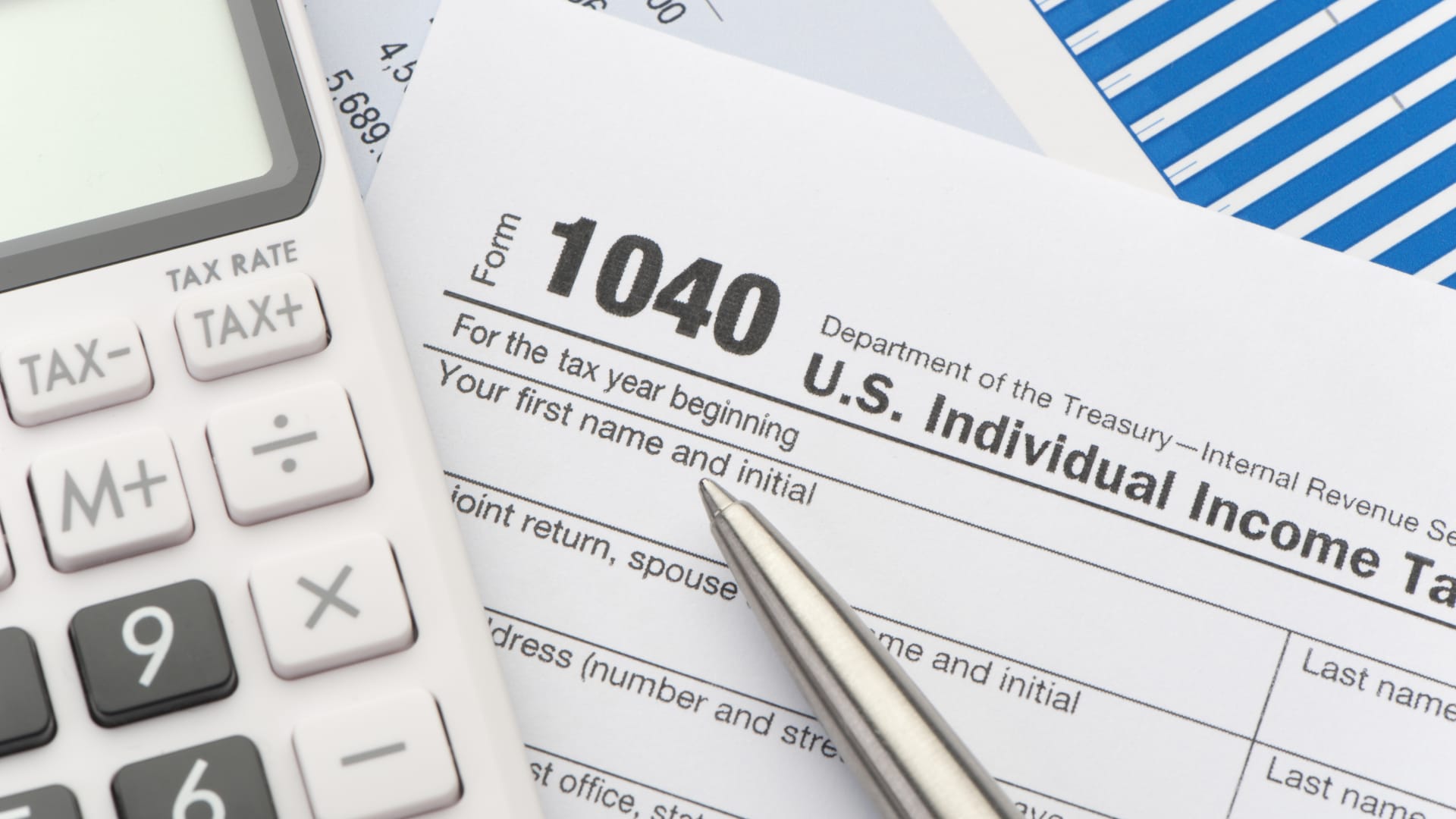
Navigating the New IRS 1099-K Reporting Rules: What Freelancers and Small Business Owners Need to Know

The IRS is ushering in a new era of tax reporting that will significantly affect freelancers, small business owners, and anyone who earns income through third-party payment apps like Venmo or PayPal. These changes are embodied in the form of adjusted thresholds for the Form 1099-K, a tax document used to report income from such platforms. Previously, this form was only required for those earning at least $20,000 annually through these services. However, new phased-in rules will reduce this threshold to $600 by 2026, starting with earnings over $5,000 in 2024.

By |February 8, 2025|Categories: Article, Finance, Taxation|Tags: |0 Comments

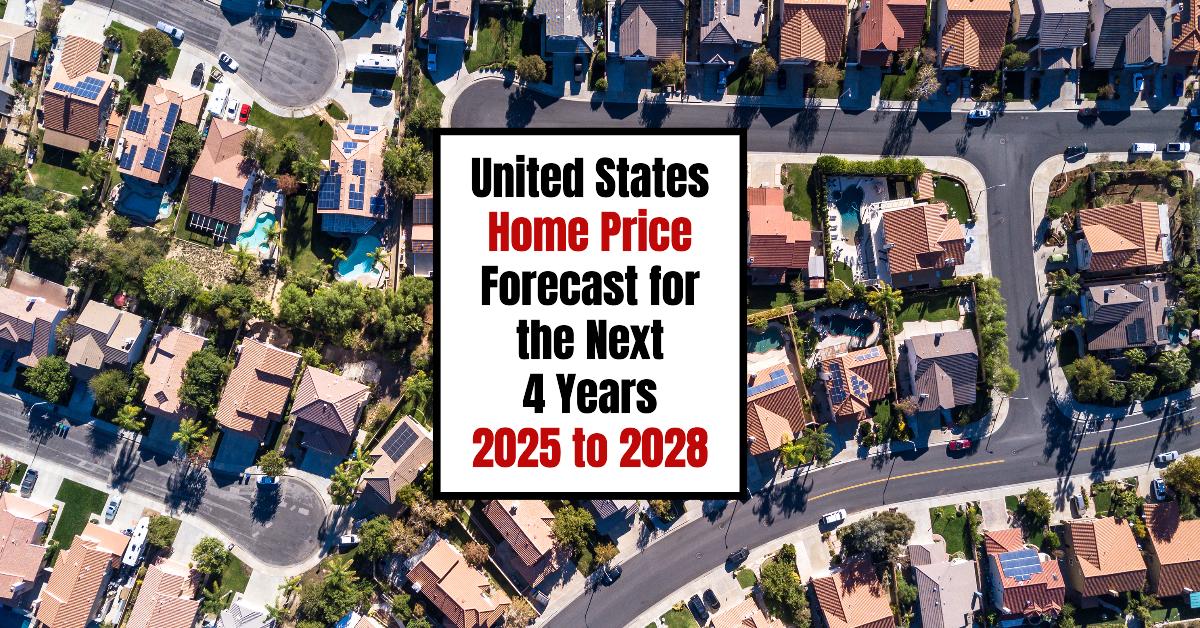
Forecasting the Future: Housing Market Insights for 2025 to 2028

As we look to the horizon of the U.S. housing market, Fannie Mae's Home Price Expectations Survey offers a crucial glimpse into the coming years. Compiled from the insights of over 100 housing experts, this survey predicts notable changes in home prices from 2025 to 2028. The analysis, originally detailed by Norada Real Estate Investments, suggests a shift in market dynamics that could impact homeowners and investors alike.

By |February 8, 2025|Categories: Article, Market Analysis, Real Estate|Tags: , |0 Comments

The AI Revolution in Real Estate: A New Era of Market and Property Insights

The real estate industry, long perceived as conservative and slow to adapt, is now on the cusp of a technological revolution.