Amid a backdrop of political maneuvering and administrative scrutiny, a memo from the Trump administration has sent ripples through the corridors of federal agencies. The directive, issued on a Monday night, mandated a temporary freeze on funding for a wide array of governmental programs, leaving agency officials and affiliated organizations grappling with uncertainty. Schools, hospitals, and states, all reliant on federal support, found themselves ensnared in a web of confusion.

As the order loomed, a federal judge intervened, blocking its implementation just as it was about to take effect. The directive was accompanied by a spreadsheet cataloging approximately 2,600 programs now under review. This sweeping list spans virtually every federal initiative that allocates funds, even touching on programs like Medicare, which officials assured would remain unaffected.

At the heart of this scrutiny lies a directive from the Office of Management and Budget, which seeks to ensure these programs do not “advance Marxist equity, transgenderism, and Green New Deal social engineering policies.” Agencies were tasked with answering probing questions about each budget line, including whether a program “promotes gender ideology.”

While the Trump administration has reassured the public that direct payments to Americans are not at risk, the list encompasses numerous programs that provide vital aid to millions. Programs like Medicaid and Head Start, which are funded through grants to states, local governments, or nonprofits, have already reported interruptions. The Office of Management and Budget has highlighted certain programs where these disruptions have occurred or where no freeze will be implemented.

The extensive nature of the list, which even includes interest payments on the federal debt, raises questions about whether it reflects mere oversights and contradictions or signals broader ambitions of the administration. The programs, alongside their estimated annual spending for 2024, encapsulate much of the federal government’s influence on American life.

For a deeper dive into this unfolding story, the original article from The New York Times offers a comprehensive analysis of the situation.


More Articles

Getting licensed or staying ahead in your career can be a journey—but it doesn’t have to be overwhelming. Grab your favorite coffee or tea, take a moment to relax, and browse through our articles. Whether you’re just starting out or renewing your expertise, we’ve got tips, insights, and advice to keep you moving forward. Here’s to your success—one sip and one step at a time!

AI in Medical Diagnosis: Revolutionizing Healthcare Standards

"AI and machine learning are emerging as powerful technologies to address this issue, improving the accuracy of medical diagnosis and revolutionizing healthcare with their myriad applications."

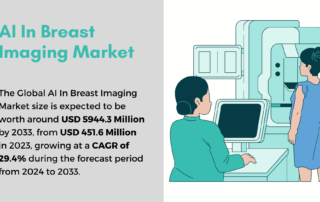
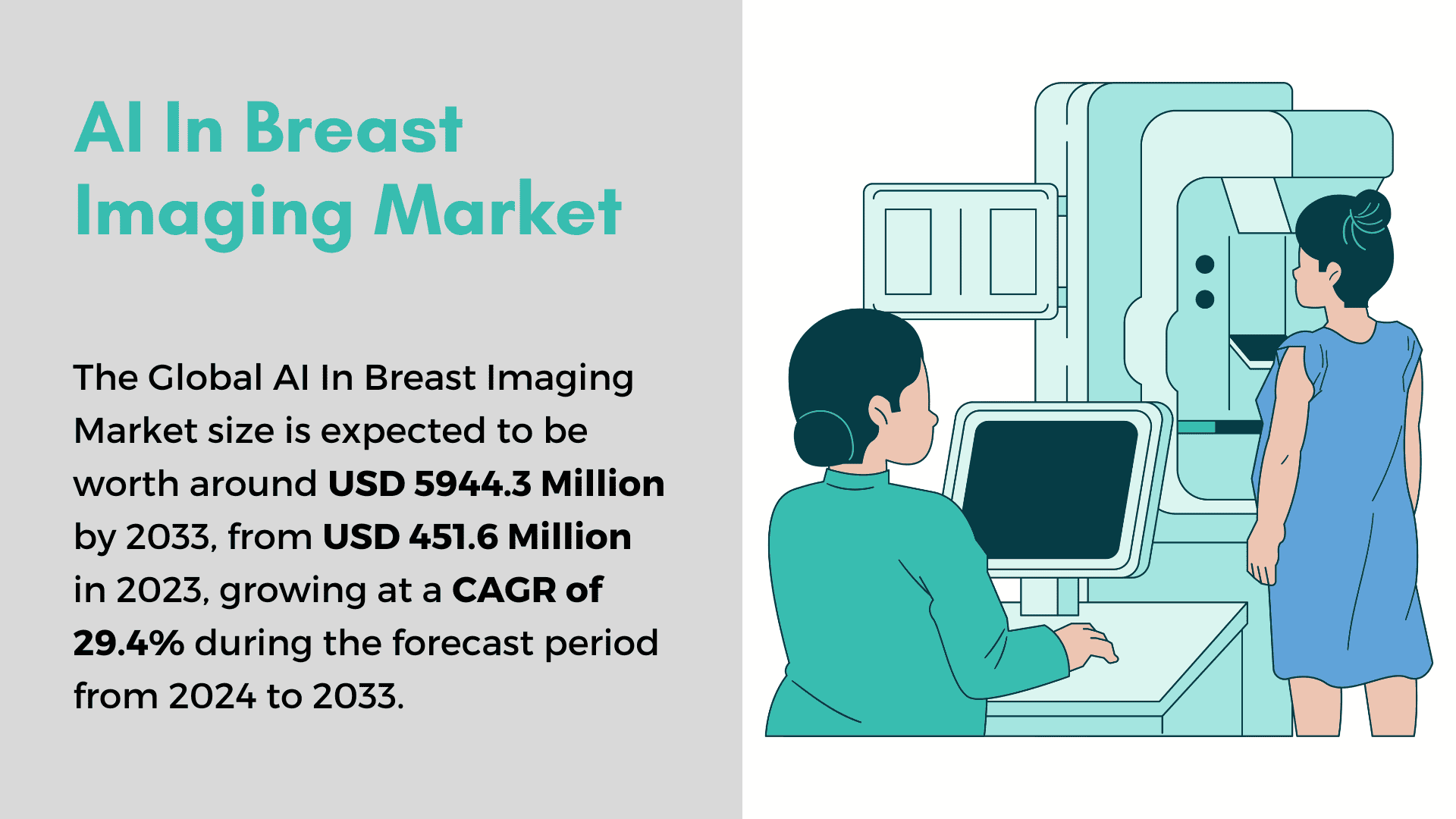
AI in Breast Imaging Market Set for Explosive Growth

The global AI in breast imaging market is on a remarkable growth trajectory, projected to swell from USD 451.6 million in 2023 to an impressive USD 5944.3 million by 2033. This represents a compound annual growth rate (CAGR) of 29.4%, primarily driven by cutting-edge advancements in AI technologies that significantly enhance diagnostic accuracy, facilitate early detection, and boost healthcare efficiency.

Virtual Real Estate: Navigating Investments in Metaverse Platforms

Virtual real estate in metaverses is becoming a focal point for investors worldwide, with digital plots of land mirroring traditional real estate value based on location, size, and platform popularity.

The Transformative Power of AI in In-Vitro Diagnostics

Artificial intelligence (AI) and machine learning are at the forefront of revolutionizing in-vitro diagnostic (IVD) tools, redefining diagnostics and enhancing healthcare outcomes on multiple fronts.

The Future of Life Sciences: A Vision for 2030

As we edge closer to 2030, the life sciences industry stands on the threshold of transformative changes. With a global valuation exceeding $2 trillion, the sector is poised for significant growth, driven by technological advancements and an aging population.

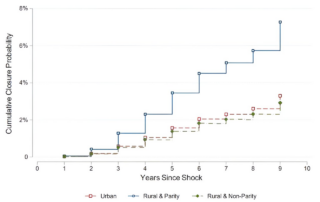
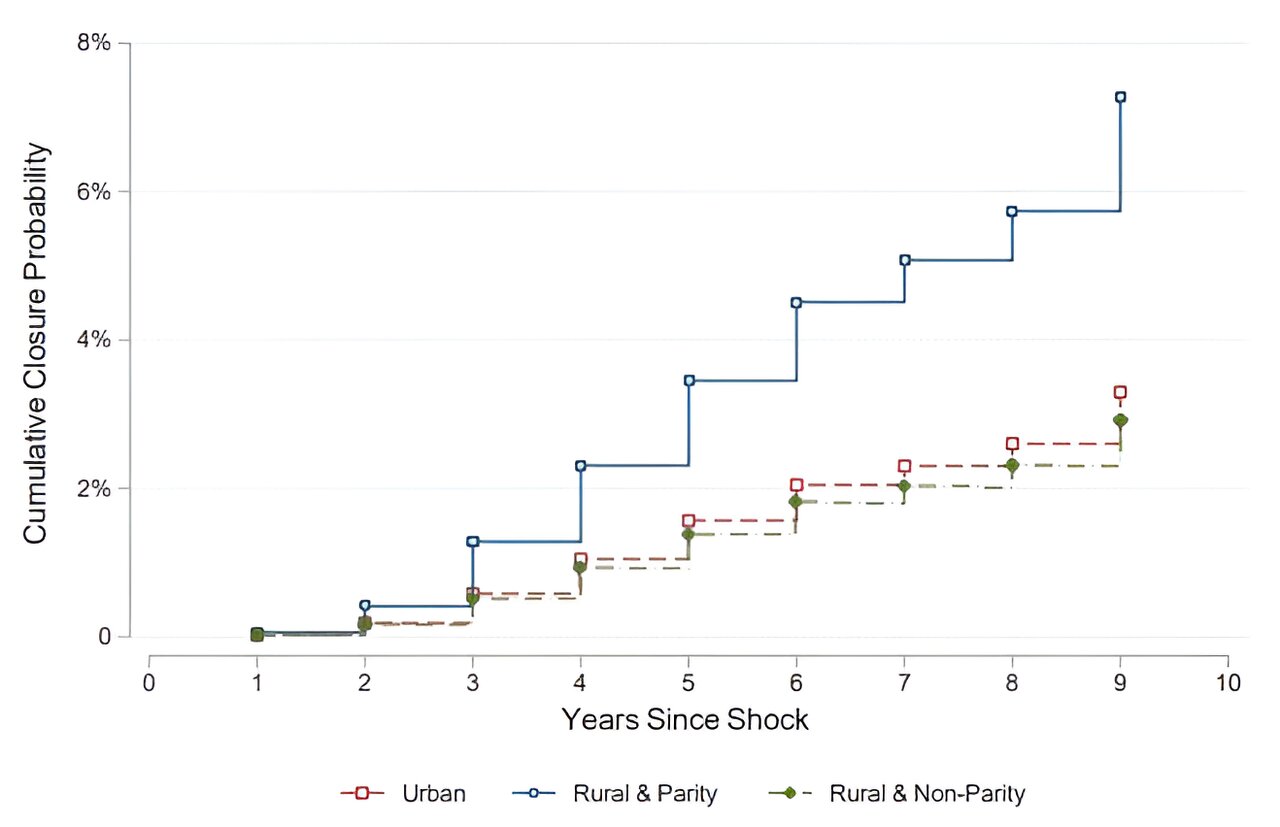
Telehealth: A Boon for Patients, A Challenge for Rural Hospitals

The advent of telehealth has revolutionized the way patients, particularly those in rural areas, access health care. By offering remote consultations and follow-up care, telehealth provides a convenient alternative to traveling long distances to urban hospitals. However, this technological advancement brings with it a set of challenges that could reshape the rural health care landscape.

By |December 20, 2024|Categories: Article, Health/Medicine, Technology|Tags: , |0 Comments