FEMA & NJDEP Release Revised Flood Maps for Morris County: What Homeowners and Professionals Need to Know
Flood zones across the U.S. are shifting—and if you own property, sell real estate, insure homes, or originate mortgages in New Jersey, the latest update from the New Jersey Department of Environmental Protection (NJDEP) and the Federal Emergency Management Agency (FEMA) deserves your full attention.
The agencies have released revised preliminary Flood Insurance Rate Maps (FIRMs) and an updated Flood Insurance Study for Morris County. These updates help determine which areas face elevated flood risk—directly impacting insurance requirements, real estate values, building regulations, and long‑term planning.
Why This Matters for Homeowners and Real Estate Professionals
Updated flood maps can change everything from the cost of living in a particular neighborhood to the complexity of closing a real estate transaction. A property shifting into a higher‑risk zone may require mandatory flood insurance, potentially increasing monthly costs for buyers or current owners. Conversely, properties moving out of high‑risk zones may enjoy lower premiums.
For real estate professionals—particularly those in New Jersey—understanding the implications of revised FIRMs is essential. Buyers and sellers will be asking questions, and informed guidance can turn uncertainty into trust. This is where continued education through institutions like Cameron Academy becomes invaluable for agents who want to stay ahead of market‑shaping regulatory changes.
What Happens Next?
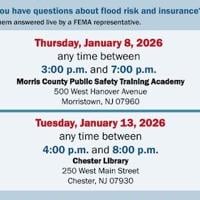
When FEMA releases preliminary maps, local governments and residents typically have opportunities to review and appeal them before they are finalized. Morris County communities will likely see public information sessions and ongoing communication from state and federal agencies as the process moves forward.
Staying informed now helps prevent costly surprises later—especially for professionals guiding buyers, sellers, and investors through complex risk assessments.
For now, professionals in insurance, lending, and real estate should familiarize themselves with the revised map areas and prepare clients for potential changes in risk classification.
Staying informed is a professional advantage—especially in fields where regulations and risk assessments evolve rapidly. Cameron Academy remains committed to helping professionals across real estate, insurance, mortgage, and additional licensed sectors stay confidently ahead of the industry curve.
More Articles
Getting licensed or staying ahead in your career can be a journey—but it doesn’t have to be overwhelming. Grab your favorite coffee or tea, take a moment to relax, and browse through our articles. Whether you’re just starting out or renewing your expertise, we’ve got tips, insights, and advice to keep you moving forward. Here’s to your success—one sip and one step at a time!
In a world where technology is rapidly reshaping every facet of our lives, the healthcare sector is no exception. The recent review published in Cureus delves into the transformative role of telemedicine and telehealth, particularly in public healthcare. This narrative review highlights the integration of telehealth and telemedicine, their historical milestones, and how the COVID-19 pandemic accelerated their adoption.
The construction industry is poised for dramatic shifts. Those who embrace these changes will lead the way in shaping a smarter, more sustainable built environment.
As the clock ticks toward a December 31 deadline, a major House subcommittee is considering 15 bills aimed at expanding access to telehealth services. This legislative push is crucial as pandemic-era flexibilities face expiration, potentially affecting countless patients who have come to rely on virtual care.
The AI in telemedicine market is set to experience a remarkable surge, growing from USD 19.4 billion in 2024 to an anticipated USD 156.7 billion by 2033. This represents a compound annual growth rate (CAGR) of 26.1%, driven by advancements in remote diagnostics, personalized treatments, and the integration of artificial intelligence across telemedicine platforms globally.
The Global X Infrastructure Development Ex-U.S. ETF, known as IPAV, emerges as a promising investment vehicle for those looking to capitalize on the burgeoning international infrastructure sector. Listed on August 28, 2024, on the CBOE BZX, it captures the growth potential of companies outside the United States benefiting from infrastructure advancements.