FEMA & NJDEP Release Revised Flood Maps for Morris County: What Homeowners and Professionals Need to Know
Flood zones across the U.S. are shifting—and if you own property, sell real estate, insure homes, or originate mortgages in New Jersey, the latest update from the New Jersey Department of Environmental Protection (NJDEP) and the Federal Emergency Management Agency (FEMA) deserves your full attention.
The agencies have released revised preliminary Flood Insurance Rate Maps (FIRMs) and an updated Flood Insurance Study for Morris County. These updates help determine which areas face elevated flood risk—directly impacting insurance requirements, real estate values, building regulations, and long‑term planning.
Why This Matters for Homeowners and Real Estate Professionals
Updated flood maps can change everything from the cost of living in a particular neighborhood to the complexity of closing a real estate transaction. A property shifting into a higher‑risk zone may require mandatory flood insurance, potentially increasing monthly costs for buyers or current owners. Conversely, properties moving out of high‑risk zones may enjoy lower premiums.
For real estate professionals—particularly those in New Jersey—understanding the implications of revised FIRMs is essential. Buyers and sellers will be asking questions, and informed guidance can turn uncertainty into trust. This is where continued education through institutions like Cameron Academy becomes invaluable for agents who want to stay ahead of market‑shaping regulatory changes.
What Happens Next?
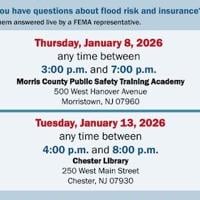
When FEMA releases preliminary maps, local governments and residents typically have opportunities to review and appeal them before they are finalized. Morris County communities will likely see public information sessions and ongoing communication from state and federal agencies as the process moves forward.
Staying informed now helps prevent costly surprises later—especially for professionals guiding buyers, sellers, and investors through complex risk assessments.
For now, professionals in insurance, lending, and real estate should familiarize themselves with the revised map areas and prepare clients for potential changes in risk classification.
Staying informed is a professional advantage—especially in fields where regulations and risk assessments evolve rapidly. Cameron Academy remains committed to helping professionals across real estate, insurance, mortgage, and additional licensed sectors stay confidently ahead of the industry curve.
More Articles
Getting licensed or staying ahead in your career can be a journey—but it doesn’t have to be overwhelming. Grab your favorite coffee or tea, take a moment to relax, and browse through our articles. Whether you’re just starting out or renewing your expertise, we’ve got tips, insights, and advice to keep you moving forward. Here’s to your success—one sip and one step at a time!
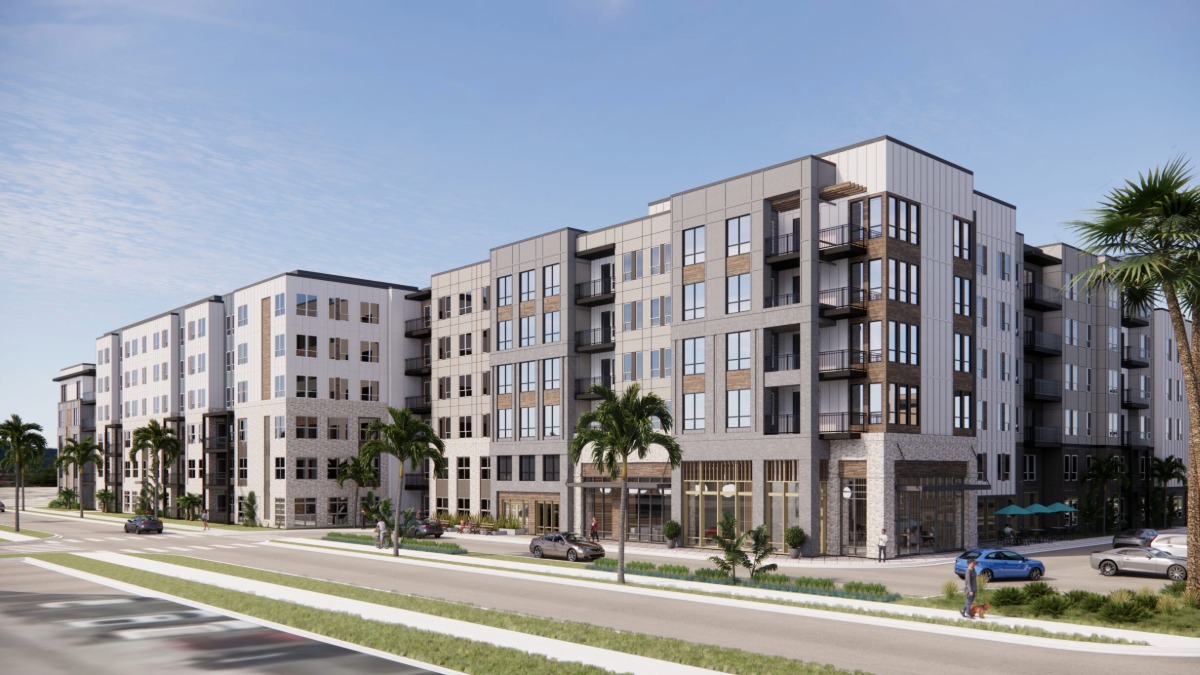
Landmark Properties has officially begun construction on The Mark Tampa, a six‑story luxury student community featuring over 800 beds, rooftop amenities, study spaces, retail, and modern unit layouts. Set to open before the 2027–2028 school year, the project signals strong investor confidence in North Tampa’s booming student housing market.
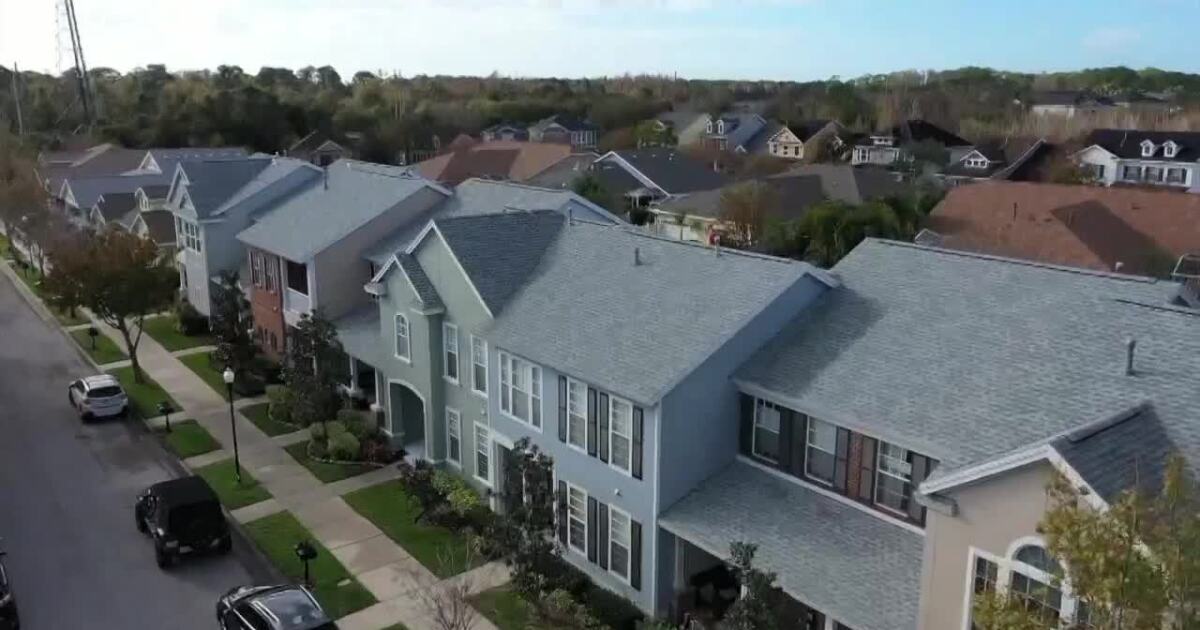
Florida’s property and auto insurance crisis is intensifying, setting the stage for a major political showdown ahead of the 2026 elections. Republicans argue recent reforms are finally stabilizing the market, while Democrats insist families are being crushed by soaring premiums and can’t wait for relief. With homeowners, condo associations, and insurers all feeling the pressure, lawmakers are preparing for one of the most consequential legislative battles in years.
Markets are betting heavily on a Federal Reserve rate cut in December, but that doesn’t guarantee lower mortgage rates. Even with an 85% chance of a cut priced in, mortgage rates move more with the 10‑year Treasury than the Fed itself — and recent history shows rates can rise even when the Fed eases. Today’s 6.43% average rate is the lowest in over a year, but still unpredictable, making financial readiness more important than trying to time the market.
Grand Junction is experiencing a powerful commercial real estate upswing, with 151 commercial units closed so far in 2025—a 36% jump from last year. Building permits are also up 23%, signaling expanding development momentum. Brokers say interest from national chains is accelerating the city’s evolution, bringing jobs, investment, and long‑term economic potential to Colorado’s Western Slope.
Nashville continues its rise as one of the nation’s most attractive real estate markets, landing the #6 spot in the Emerging Trends in Real Estate 2026 report from PwC and ULI. With strong demographic momentum, business expansion, and a development pipeline drawing national eyes, the city stands out amid shifting economic conditions. The report highlights fast‑growing sectors such as data centers, senior housing, and evolving office dynamics—offering real estate professionals valuable insight into where opportunities are emerging next.
Canada’s commercial real estate sector continues to evolve rapidly, with new data revealing major transactions, shifting investment patterns, and emerging economic signals across the country. From resilient retail spending to cooling construction and regional standouts like Montreal and the Prairies, this week’s CRE pulse—powered by Altus Group’s research team—gives real estate, mortgage, and finance professionals a sharp snapshot of the market forces to watch as 2025 winds down.