In a significant legal development, the U.S. Court of Appeals for the Fifth Circuit has dismissed the appeal by the Consumer Financial Protection Bureau (CFPB) regarding the vacated amendments to its Unfair, Deceptive, or Abusive Acts and Practices (UDAAP) Examination Manual. This decision, made on May 1, aligns with the CFPB’s newly outlined supervision and enforcement priorities for 2025, marking a pivotal shift in the Bureau’s regulatory approach.


The CFPB had previously sought to expand its anti-discrimination enforcement beyond the traditional limits of the Equal Credit Opportunity Act (ECOA), a move that was met with legal challenges from the U.S. Chamber of Commerce and several banking trade associations. These groups argued that the Bureau exceeded its statutory authority by bringing discrimination claims under the “unfair” prong of UDAAP against financial institutions for noncredit products. The district court, citing constitutional concerns over the CFPB’s funding and overreach, vacated the amendments.


In a strategic pivot, the CFPB has decided to withdraw its appeal, aligning with a recent memo from Chief Legal Officer Mark Paoletta. This memo, discussed in more detail here, outlines the Bureau’s shift towards focusing on areas clearly within its statutory authority. The CFPB plans to concentrate its efforts on depository institutions, restoring its focus to the levels seen in 2012, and will prioritize enforcement actions involving proven intentional discrimination rather than relying solely on statistical evidence.


This development underscores a broader trend within the CFPB to recalibrate its regulatory strategies, stepping back from novel legal theories and refocusing on core enforcement areas. The decision to dismiss the appeal reflects a pragmatic approach by the Bureau, aiming to streamline its regulatory efforts and ensure compliance within well-defined legal boundaries.


For more detailed insights on this development, you can refer to the original article on the Consumer Financial Services Law Monitor.


More Articles

Getting licensed or staying ahead in your career can be a journey—but it doesn’t have to be overwhelming. Grab your favorite coffee or tea, take a moment to relax, and browse through our articles. Whether you’re just starting out or renewing your expertise, we’ve got tips, insights, and advice to keep you moving forward. Here’s to your success—one sip and one step at a time!

The Most Popular Housing Markets of 2024 Unveiled

Among the bustling cities, New York, NY, stands out, capturing 3.4% of the total online traffic. This is followed by Dallas, TX (2.7%), Chicago, IL (2.6%), Miami, FL (2.5%), and Tampa, FL (1.9%). These cities have emerged as hotspots for prospective homebuyers, reflecting a high level of interest and potential market growth.

By |March 4, 2025|Categories: Article, Housing Market Trends, Real Estate|Tags: , |0 Comments

Texas Enhances Mortgage Sector Protections with New Regulations

In a significant move to bolster consumer protections in the mortgage sector, Texas has enacted new regulations aimed at enhancing transparency and accountability among mortgage lenders and servicers.

Integrating Real Estate into Defined Contribution Plans: A Strategic Move for Better Retirement Outcomes

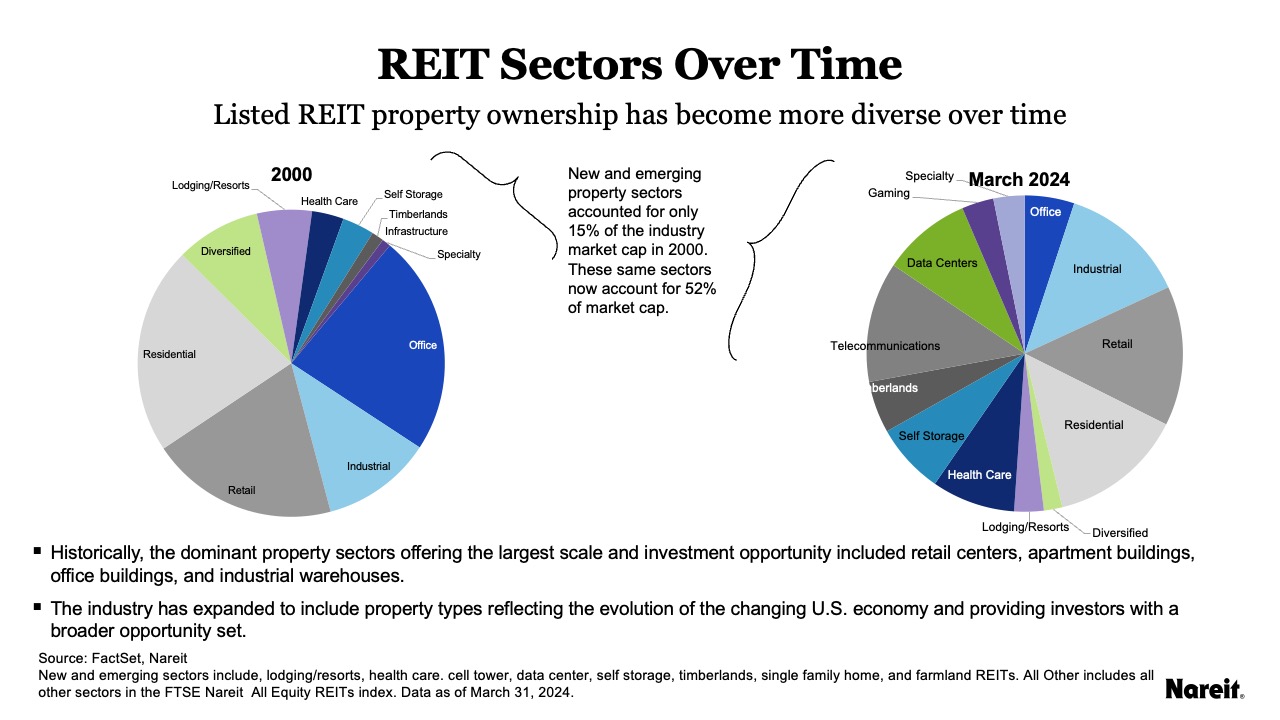
In the world of retirement planning, the integration of underrepresented asset classes into defined contribution (DC) plans is gaining momentum. For decades, defined benefit (DB) pension plans have successfully leveraged real estate within their investment portfolios. Now, DC plans are following suit, largely through the use of Real Estate Investment Trusts (REITs).

Exploring the Potential of Real Estate Investment Trusts (REITs)

REITs have democratized real estate investment, allowing individuals to invest in diverse property portfolios with the same ease as purchasing stocks. The beauty of REITs lies in their ability to transform traditionally illiquid assets into liquid ones, offering investors both liquidity and diversification.

By |March 4, 2025|Categories: Article, Finance, Real Estate|Tags: |0 Comments

In the Face of Economic Uncertainty: Building a Resilient Investment Portfolio

As economic uncertainty continues to cast a shadow over global markets, investors are increasingly seeking strategies to safeguard and grow their wealth.

Revolutionizing Real Estate: EstateSlice NFT Leverages Blockchain

In a bold move set to transform the real estate sector, EstateSlice NFT is leveraging blockchain technology to break down traditional barriers to property investment.