In a significant legal development, the U.S. Court of Appeals for the Fifth Circuit has dismissed the appeal by the Consumer Financial Protection Bureau (CFPB) regarding the vacated amendments to its Unfair, Deceptive, or Abusive Acts and Practices (UDAAP) Examination Manual. This decision, made on May 1, aligns with the CFPB’s newly outlined supervision and enforcement priorities for 2025, marking a pivotal shift in the Bureau’s regulatory approach.


The CFPB had previously sought to expand its anti-discrimination enforcement beyond the traditional limits of the Equal Credit Opportunity Act (ECOA), a move that was met with legal challenges from the U.S. Chamber of Commerce and several banking trade associations. These groups argued that the Bureau exceeded its statutory authority by bringing discrimination claims under the “unfair” prong of UDAAP against financial institutions for noncredit products. The district court, citing constitutional concerns over the CFPB’s funding and overreach, vacated the amendments.


In a strategic pivot, the CFPB has decided to withdraw its appeal, aligning with a recent memo from Chief Legal Officer Mark Paoletta. This memo, discussed in more detail here, outlines the Bureau’s shift towards focusing on areas clearly within its statutory authority. The CFPB plans to concentrate its efforts on depository institutions, restoring its focus to the levels seen in 2012, and will prioritize enforcement actions involving proven intentional discrimination rather than relying solely on statistical evidence.


This development underscores a broader trend within the CFPB to recalibrate its regulatory strategies, stepping back from novel legal theories and refocusing on core enforcement areas. The decision to dismiss the appeal reflects a pragmatic approach by the Bureau, aiming to streamline its regulatory efforts and ensure compliance within well-defined legal boundaries.


For more detailed insights on this development, you can refer to the original article on the Consumer Financial Services Law Monitor.


More Articles

Getting licensed or staying ahead in your career can be a journey—but it doesn’t have to be overwhelming. Grab your favorite coffee or tea, take a moment to relax, and browse through our articles. Whether you’re just starting out or renewing your expertise, we’ve got tips, insights, and advice to keep you moving forward. Here’s to your success—one sip and one step at a time!

AI in Medical Diagnosis: Revolutionizing Healthcare Standards

"AI and machine learning are emerging as powerful technologies to address this issue, improving the accuracy of medical diagnosis and revolutionizing healthcare with their myriad applications."

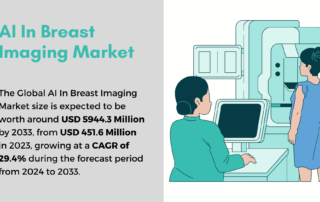
AI in Breast Imaging Market Set for Explosive Growth

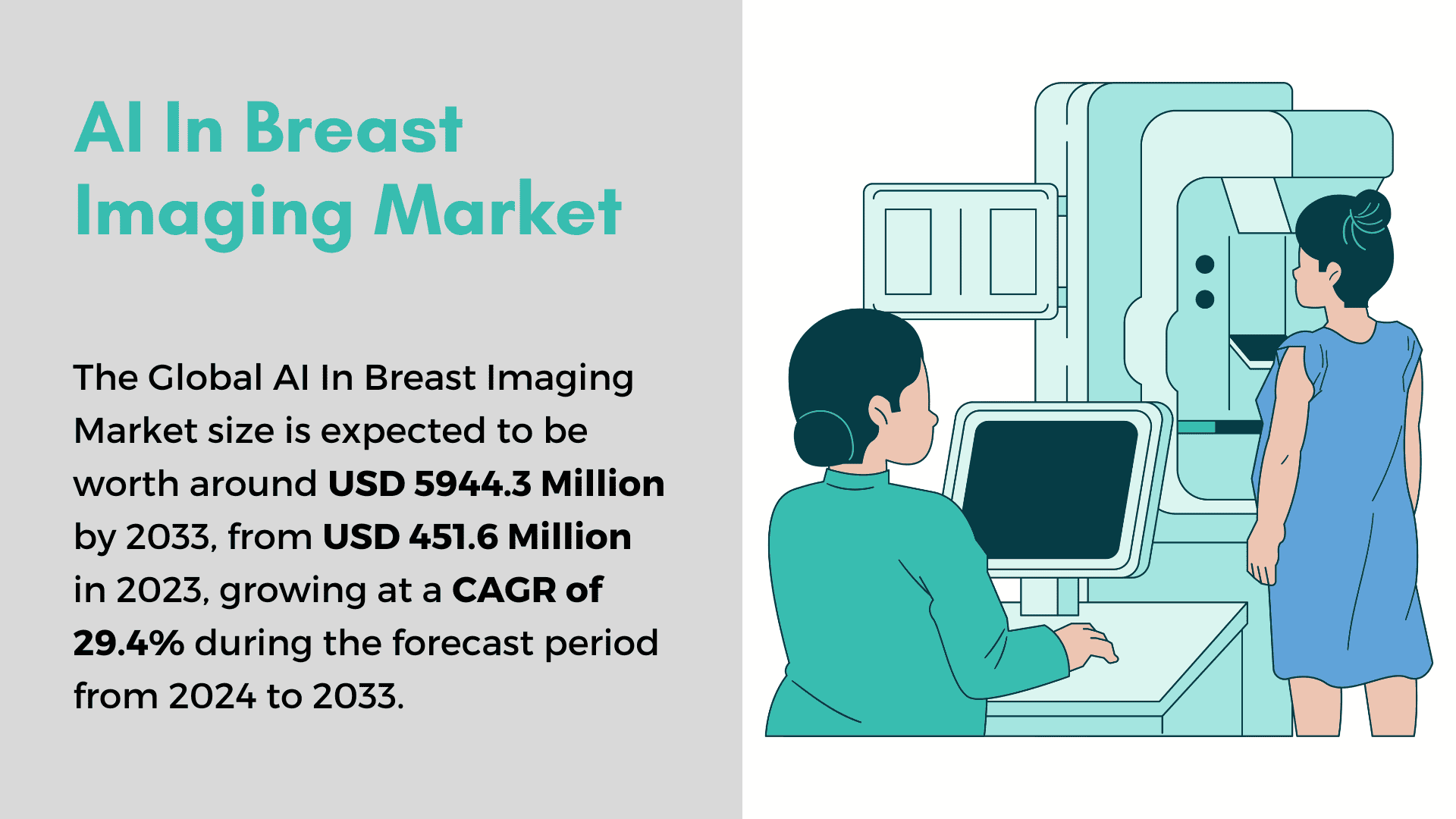
The global AI in breast imaging market is on a remarkable growth trajectory, projected to swell from USD 451.6 million in 2023 to an impressive USD 5944.3 million by 2033. This represents a compound annual growth rate (CAGR) of 29.4%, primarily driven by cutting-edge advancements in AI technologies that significantly enhance diagnostic accuracy, facilitate early detection, and boost healthcare efficiency.

Virtual Real Estate: Navigating Investments in Metaverse Platforms

Virtual real estate in metaverses is becoming a focal point for investors worldwide, with digital plots of land mirroring traditional real estate value based on location, size, and platform popularity.

The Transformative Power of AI in In-Vitro Diagnostics

Artificial intelligence (AI) and machine learning are at the forefront of revolutionizing in-vitro diagnostic (IVD) tools, redefining diagnostics and enhancing healthcare outcomes on multiple fronts.

The Future of Life Sciences: A Vision for 2030

As we edge closer to 2030, the life sciences industry stands on the threshold of transformative changes. With a global valuation exceeding $2 trillion, the sector is poised for significant growth, driven by technological advancements and an aging population.

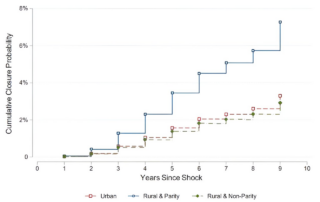
Telehealth: A Boon for Patients, A Challenge for Rural Hospitals

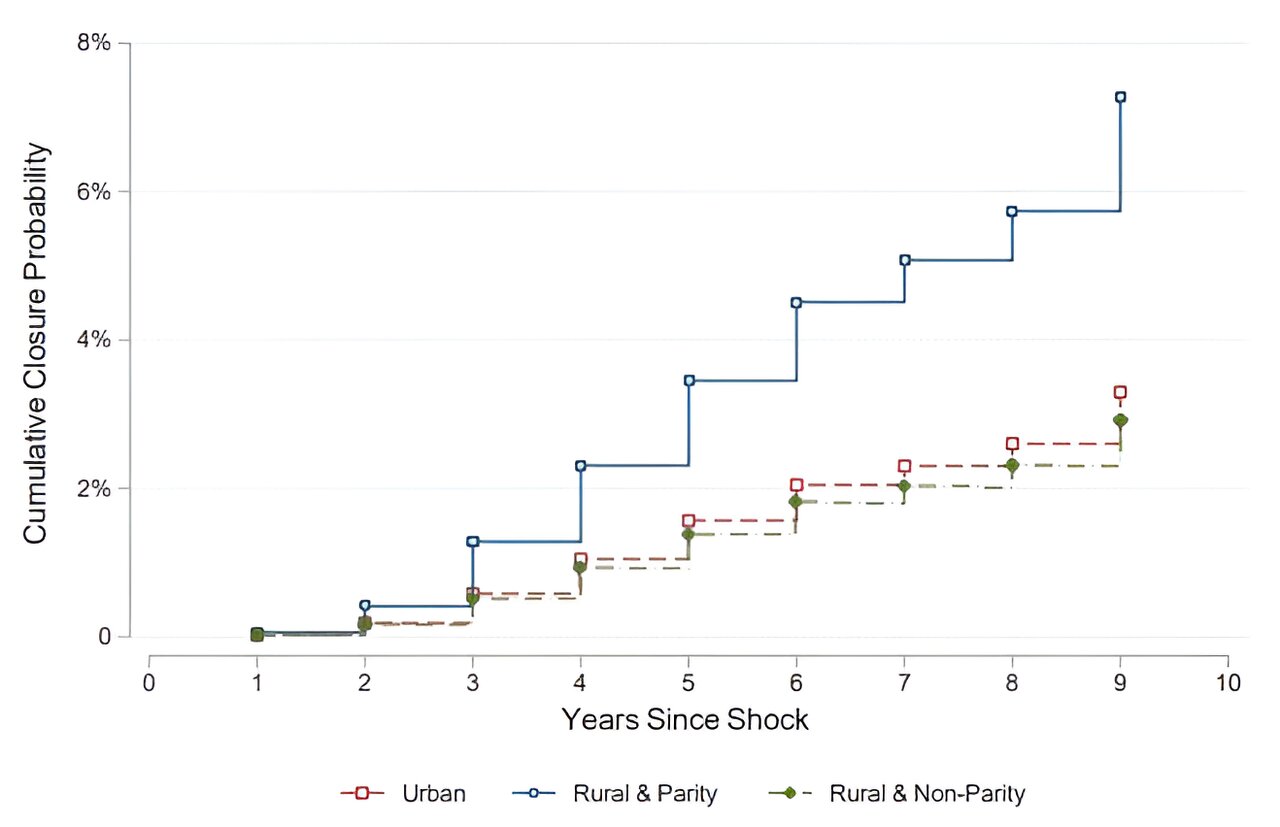
The advent of telehealth has revolutionized the way patients, particularly those in rural areas, access health care. By offering remote consultations and follow-up care, telehealth provides a convenient alternative to traveling long distances to urban hospitals. However, this technological advancement brings with it a set of challenges that could reshape the rural health care landscape.

By |December 20, 2024|Categories: Article, Health/Medicine, Technology|Tags: , |0 Comments