In a significant legal development, the U.S. Court of Appeals for the Fifth Circuit has dismissed the appeal by the Consumer Financial Protection Bureau (CFPB) regarding the vacated amendments to its Unfair, Deceptive, or Abusive Acts and Practices (UDAAP) Examination Manual. This decision, made on May 1, aligns with the CFPB’s newly outlined supervision and enforcement priorities for 2025, marking a pivotal shift in the Bureau’s regulatory approach.


The CFPB had previously sought to expand its anti-discrimination enforcement beyond the traditional limits of the Equal Credit Opportunity Act (ECOA), a move that was met with legal challenges from the U.S. Chamber of Commerce and several banking trade associations. These groups argued that the Bureau exceeded its statutory authority by bringing discrimination claims under the “unfair” prong of UDAAP against financial institutions for noncredit products. The district court, citing constitutional concerns over the CFPB’s funding and overreach, vacated the amendments.


In a strategic pivot, the CFPB has decided to withdraw its appeal, aligning with a recent memo from Chief Legal Officer Mark Paoletta. This memo, discussed in more detail here, outlines the Bureau’s shift towards focusing on areas clearly within its statutory authority. The CFPB plans to concentrate its efforts on depository institutions, restoring its focus to the levels seen in 2012, and will prioritize enforcement actions involving proven intentional discrimination rather than relying solely on statistical evidence.


This development underscores a broader trend within the CFPB to recalibrate its regulatory strategies, stepping back from novel legal theories and refocusing on core enforcement areas. The decision to dismiss the appeal reflects a pragmatic approach by the Bureau, aiming to streamline its regulatory efforts and ensure compliance within well-defined legal boundaries.


For more detailed insights on this development, you can refer to the original article on the Consumer Financial Services Law Monitor.

More Articles

Getting licensed or staying ahead in your career can be a journey—but it doesn’t have to be overwhelming. Grab your favorite coffee or tea, take a moment to relax, and browse through our articles. Whether you’re just starting out or renewing your expertise, we’ve got tips, insights, and advice to keep you moving forward. Here’s to your success—one sip and one step at a time!

Gene Editing: A Promising Frontier in Biotechnology

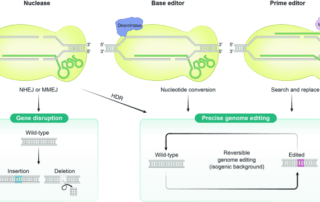
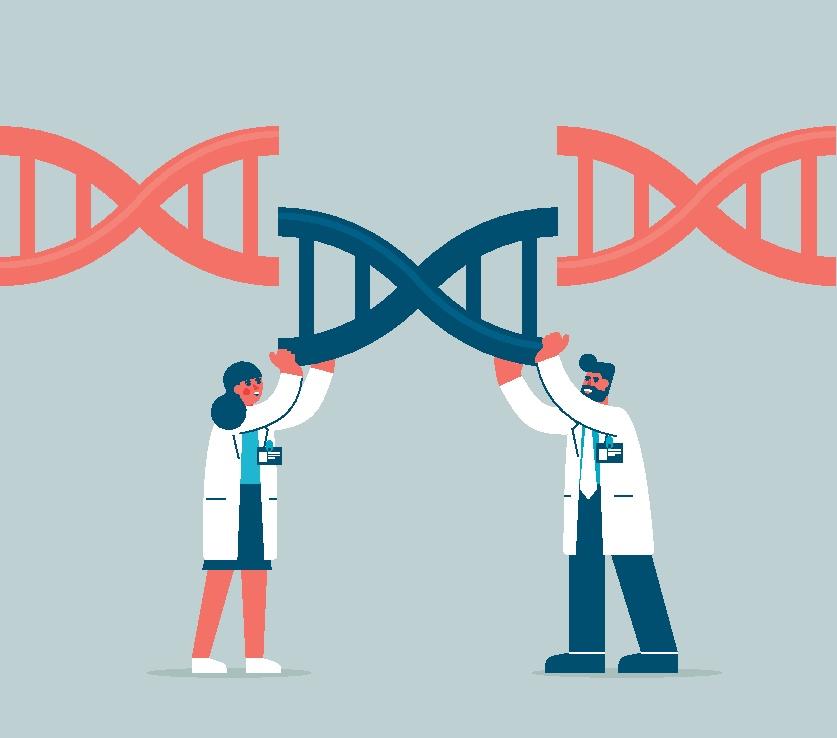
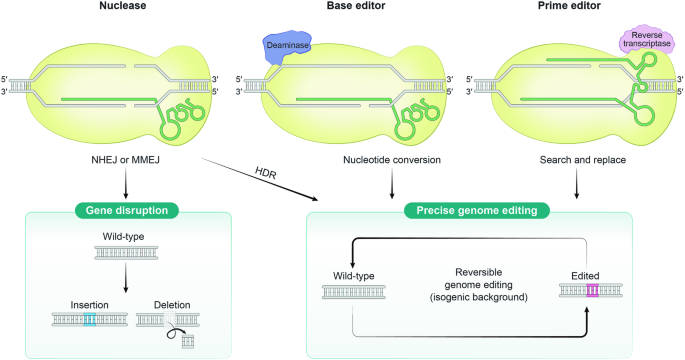
Gene editing technology is swiftly emerging as a transformative force in both healthcare and agriculture, particularly through tools like CRISPR-Cas9, which offer precise methods to modify genes and promise to revolutionize treatment for genetic disorders, cancer, and infectious diseases.

Empowering the Gig Economy: AXA’s Tailored Protection

Angela Wong, Chief Marketing and Customer Officer at AXA Hong Kong & Macau, underscores the critical need for comprehensive insurance solutions for gig workers.

By |November 24, 2024|Categories: Article, Business, Insurance|Tags: , |0 Comments

Ethical Deployment of AI in Healthcare: AMA’s Guiding Strategies

The AMA highlights that AI's integration must be guided by the fundamental principles of medical ethics: patient autonomy, beneficence, nonmaleficence, and justice.

By |November 24, 2024|Categories: Article, Healthcare, Technology Ethics|Tags: , |0 Comments

AI’s Role in Revolutionizing Medical Education

AI, which simulates human intelligence, is reshaping various sectors, particularly healthcare. The ability to perform complex tasks, such as diagnostics and personalized healthcare, is no longer confined to human capabilities alone.

By |November 23, 2024|Categories: Article, Education, Technology|Tags: , |0 Comments

AI Chatbots in Chronic Disease Diagnosis

A recent study published in Nature on July 25, 2024, unveils a cutting-edge chatbot named Chat Ella, designed to assist in the diagnosis of chronic diseases.

Revolutionizing Genetic Research with CRISPR-Cas Technology

CRISPR-Cas technology is not just a tool but a gateway to understanding the genetic influences on diseases.