Why Financial Advisors Are Becoming the New Gatekeepers of Estate Planning
For decades, estate planning conversations traditionally started in a lawyer’s office. But according to new national survey data, that norm has officially shifted — and financial advisors have stepped into the spotlight as clients’ first stop for building their legacies.
A recent study from estate planning platform Vanilla surveyed more than 1,000 U.S. consumers. The results? A clear message: Americans now lean heavily on their financial advisors when navigating the complexities of estate planning.
Interactive Insight: Tap here to explore why 41% of respondents say they start their estate planning conversations with an advisor — nearly doubling those who begin with attorneys.
The Surprising Shift: Advisors Take the Lead
When asked who they consulted first, 41% of consumers named their financial advisor. Only 26% started with an attorney — a dramatic indicator of changing professional expectations.
This is more than a trend — it’s a transformation. With 80% of respondents now expecting estate planning to be integrated into their advisor’s services, consumers are signaling a desire for more holistic, life-oriented financial guidance.
As Vanilla’s researchers put it, “Clients already trust their advisors with their financial lives — estate planning is a logical extension of that relationship.”
What Clients Really Want: More Than Just Wealth Transfer
The survey reveals that estate planning isn’t just about dollars. People care deeply about ensuring their values, principles, and life lessons are preserved for the next generation.
While taxes and probate avoidance remain priorities, consumers are increasingly focused on passing down:
• Family values and guiding principles
• Financial literacy for the next generation
• Meaningful stories, traditions, and personal insights
Advisors like Cheri Stein of Plante Moran Wealth Management say clients often document these values through letters of intent — heartfelt narratives explaining the “why” behind their life decisions and wealth-building philosophies.
Tap to Explore: Real advisors share how storytelling, values statements, and family purpose documents are reshaping modern estate plans.
The Family Conversation Gap (and Why Advisors Can Fill It)
Despite nearly everyone agreeing that estate conversations matter, only 39% of respondents have discussed their plans in detail with heirs. Advisors see this as a powerful opening.
The number one concern among clients? A lack of financial literacy among the next generation.
Advisors like Mitchell Kraus of Capital Intelligence Associates run “money meetings” for heirs, covering everything from budgeting basics to understanding beneficiary responsibilities. These meetings not only prepare heirs but also remove the fear that often surrounds legacy topics.
James Malatos of Harbor View Private Wealth says families avoid the conversation not out of neglect, but uncertainty. “They don’t know how to start,” he explains. Creating structure, facilitating the first meeting, and giving families the right language opens the door.
Why This Matters for Licensed Professionals (Including You)
For professionals in real estate, mortgage lending, insurance, finance, and beyond, these findings are a powerful reminder: today’s clients expect advisors who understand the full lifecycle of wealth.
Whether you’re helping families secure properties, insure assets, plan investments, or manage generational transitions — estate awareness strengthens your value and elevates your professional credibility.
And for those expanding their career skills or licensing, having this knowledge can be a major differentiator.
At Cameron Academy, we see this shift every day. Modern professionals want education that supports the whole client — not just the transaction. If you’re building a career where trust, legacy, and advisory expertise matter, continuing to grow your skillset is one of the best investments you can make.
Curious? Explore licensing and CE courses across real estate, mortgage, insurance, and finance at Cameron Academy — built for modern professionals shaping the future.
Getting licensed or staying ahead in your career can be a journey—but it doesn’t have to be overwhelming. Grab your favorite coffee or tea, take a moment to relax, and browse through our articles. Whether you’re just starting out or renewing your expertise, we’ve got tips, insights, and advice to keep you moving forward. Here’s to your success—one sip and one step at a time!
The title insurance industry is entering 2026 with a renewed focus on technology, operational efficiency, and stronger agent support after years of volatility. Leaders from major underwriters report rising transaction activity, improved affordability, and a surge in automation and fraud‑prevention tools—signs that smarter systems and better training will define the next wave of growth.
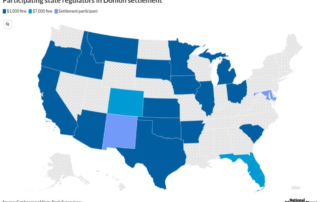
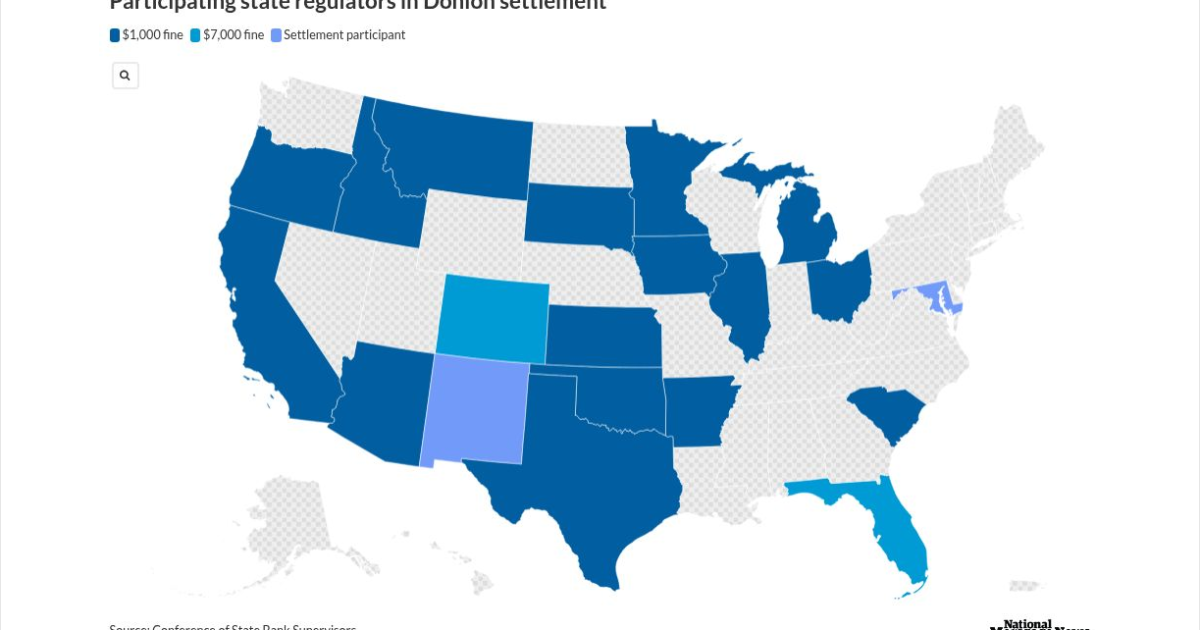
A multistate crackdown has sent shockwaves through the mortgage industry as Patrick Terrance Donlon, CEO of Trusted American Mortgage, accepted a sweeping settlement that bans him from working as a mortgage loan originator in 21 states—19 of them permanently. Regulators say Donlon had another individual complete his mandatory licensing and continuing‑education courses, a violation that triggered a coordinated investigation and a $31,000 penalty. The case underscores regulators’ growing intolerance for education fraud and serves as a sharp reminder to industry professionals: cutting corners on licensing can end careers.
Florida’s once‑booming housing market is cooling fast as rising insurance premiums, increasing foreclosures, and expanding flood zones push buyers to back out of deals and force sellers to cut prices. With insurance now adding thousands to annual housing costs, professionals across real estate, mortgage, and insurance are navigating a dramatically shifting landscape that’s redefining affordability in the Sunshine State.
Florida begins 2026 with a wave of more than 250 new laws now in effect, impacting healthcare, insurance, real estate, and consumer protections statewide. From free breast cancer screenings for state employees to tighter pet insurance regulations, mandatory healthcare refund rules, enhanced animal‑cruelty penalties, and new condo‑management requirements, these updates carry major implications for professionals navigating Florida’s evolving regulatory landscape.
Florida’s barrier islands may offer postcard-perfect beaches and soaring real estate demand, but they’re also some of the most fragile and costly places to build in the United States. With 765,000 residents living on land that shifts, sinks, and takes the brunt of every major hurricane, the financial and insurance risks are accelerating fast. From billion‑dollar beach rebuilds to towers settling into the sand, today’s coastal development challenges are reshaping conversations around property values, disclosure, and long‑term resilience. For real estate professionals, understanding these risks isn’t just smart — it’s becoming essential.
A Cedar City development is turning heads with its fresh approach to affordability. The team behind Temple View Commons is delivering luxury‑inspired twin homes at prices below the local median by using a small, hands‑on staff and cutting traditional costs like realtor commissions. In a tight Utah housing market where inventory is scarce and prices remain high, their strategy offers a realistic path to homeownership without sacrificing high‑end finishes.


 Title Insurance Leaders Double Down on Tech and Efficiency to Drive 2026 Market Momentum Gallery