Why Financial Advisors Are Becoming the New Gatekeepers of Estate Planning
For decades, estate planning conversations traditionally started in a lawyer’s office. But according to new national survey data, that norm has officially shifted — and financial advisors have stepped into the spotlight as clients’ first stop for building their legacies.
A recent study from estate planning platform Vanilla surveyed more than 1,000 U.S. consumers. The results? A clear message: Americans now lean heavily on their financial advisors when navigating the complexities of estate planning.
Interactive Insight: Tap here to explore why 41% of respondents say they start their estate planning conversations with an advisor — nearly doubling those who begin with attorneys.
The Surprising Shift: Advisors Take the Lead
When asked who they consulted first, 41% of consumers named their financial advisor. Only 26% started with an attorney — a dramatic indicator of changing professional expectations.
This is more than a trend — it’s a transformation. With 80% of respondents now expecting estate planning to be integrated into their advisor’s services, consumers are signaling a desire for more holistic, life-oriented financial guidance.
As Vanilla’s researchers put it, “Clients already trust their advisors with their financial lives — estate planning is a logical extension of that relationship.”
What Clients Really Want: More Than Just Wealth Transfer
The survey reveals that estate planning isn’t just about dollars. People care deeply about ensuring their values, principles, and life lessons are preserved for the next generation.
While taxes and probate avoidance remain priorities, consumers are increasingly focused on passing down:
• Family values and guiding principles
• Financial literacy for the next generation
• Meaningful stories, traditions, and personal insights
Advisors like Cheri Stein of Plante Moran Wealth Management say clients often document these values through letters of intent — heartfelt narratives explaining the “why” behind their life decisions and wealth-building philosophies.
Tap to Explore: Real advisors share how storytelling, values statements, and family purpose documents are reshaping modern estate plans.
The Family Conversation Gap (and Why Advisors Can Fill It)
Despite nearly everyone agreeing that estate conversations matter, only 39% of respondents have discussed their plans in detail with heirs. Advisors see this as a powerful opening.
The number one concern among clients? A lack of financial literacy among the next generation.
Advisors like Mitchell Kraus of Capital Intelligence Associates run “money meetings” for heirs, covering everything from budgeting basics to understanding beneficiary responsibilities. These meetings not only prepare heirs but also remove the fear that often surrounds legacy topics.
James Malatos of Harbor View Private Wealth says families avoid the conversation not out of neglect, but uncertainty. “They don’t know how to start,” he explains. Creating structure, facilitating the first meeting, and giving families the right language opens the door.
Why This Matters for Licensed Professionals (Including You)
For professionals in real estate, mortgage lending, insurance, finance, and beyond, these findings are a powerful reminder: today’s clients expect advisors who understand the full lifecycle of wealth.
Whether you’re helping families secure properties, insure assets, plan investments, or manage generational transitions — estate awareness strengthens your value and elevates your professional credibility.
And for those expanding their career skills or licensing, having this knowledge can be a major differentiator.
At Cameron Academy, we see this shift every day. Modern professionals want education that supports the whole client — not just the transaction. If you’re building a career where trust, legacy, and advisory expertise matter, continuing to grow your skillset is one of the best investments you can make.
Curious? Explore licensing and CE courses across real estate, mortgage, insurance, and finance at Cameron Academy — built for modern professionals shaping the future.
Getting licensed or staying ahead in your career can be a journey—but it doesn’t have to be overwhelming. Grab your favorite coffee or tea, take a moment to relax, and browse through our articles. Whether you’re just starting out or renewing your expertise, we’ve got tips, insights, and advice to keep you moving forward. Here’s to your success—one sip and one step at a time!
Just 48 hours after NAR unveiled major revisions to its MLS policies, plaintiffs in the Michigan-based Hardy lawsuit moved to use those changes as evidence, arguing they prove NAR’s prior rules were anticompetitive. NAR denies any wrongdoing, but the case is quickly becoming a key test for whether MLS access should require Realtor membership — a question now echoing across multiple states and potentially reshaping how real estate professionals nationwide access the industry’s most essential tool.
Florida homeowners are now paying some of the highest insurance premiums in the country, with average costs topping $5,800 per year—nearly double the national average. Residents report skyrocketing rates, denied claims, and tough choices between costly coverage and financial risk. As frustration grows, lawmakers and consumer advocates are pushing new reforms aimed at increasing transparency, capping rate hikes, and protecting policyholders in one of the nation’s most volatile insurance markets.
Economic uncertainty, rapid AI adoption, tighter capital flows, and rising portfolio risk are reshaping the 2026 commercial real estate landscape. From shifting workforce patterns to a national housing attainability crisis, the industry is entering a data‑driven, fundamentals‑focused era—making adaptability, education, and tech literacy essential for real estate professionals.
Mortgage rates have climbed to 6.23 percent as investors grow doubtful that the Federal Reserve will deliver a rate cut in December. A soft but unclear jobs report and persistent inflation have pushed borrowing costs higher, reversing October’s brief relief in the housing market. Real estate and mortgage professionals should prepare clients for continued volatility as the Fed’s December meeting approaches.
After years of tight inventory, high mortgage rates, and sluggish sales, economists say 2026 is shaping up to be the turnaround real estate professionals have been waiting for. NAR projects a 14 percent jump in home sales, mortgage rates easing toward 6 percent, and buyer demand finally gaining momentum. While higher‑end homes are moving quickly, first‑time buyers continue to face affordability challenges, and price reductions are reappearing as sellers adjust to shifting conditions. For Florida agents, brokers, and newcomers, the stage is being set for a busy and opportunity‑rich year.
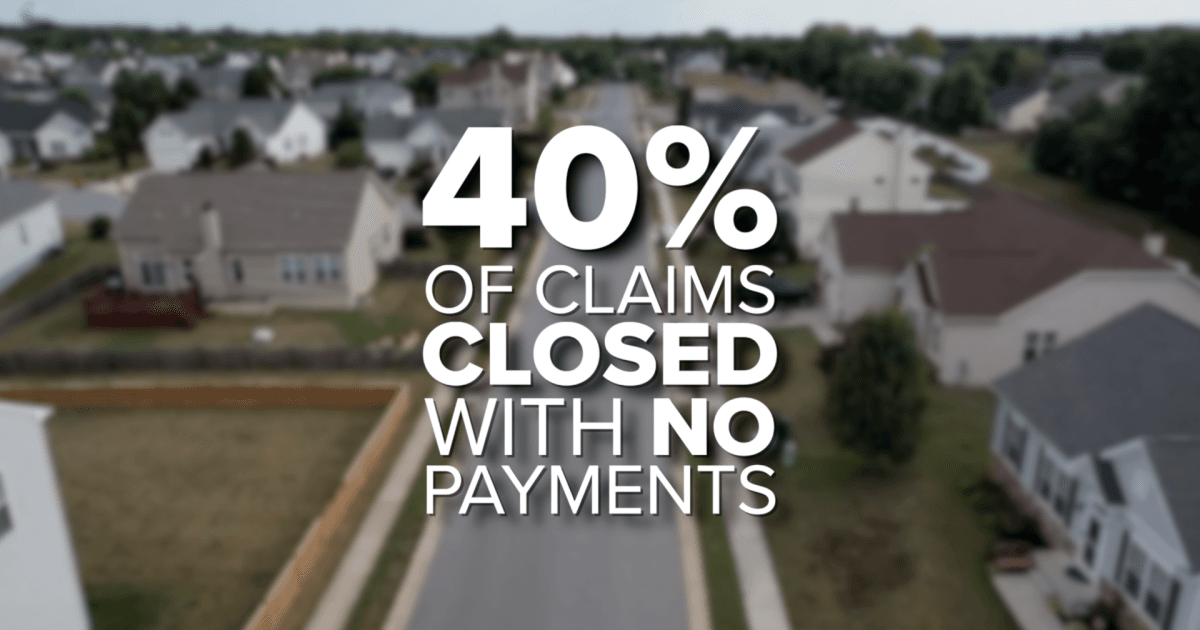
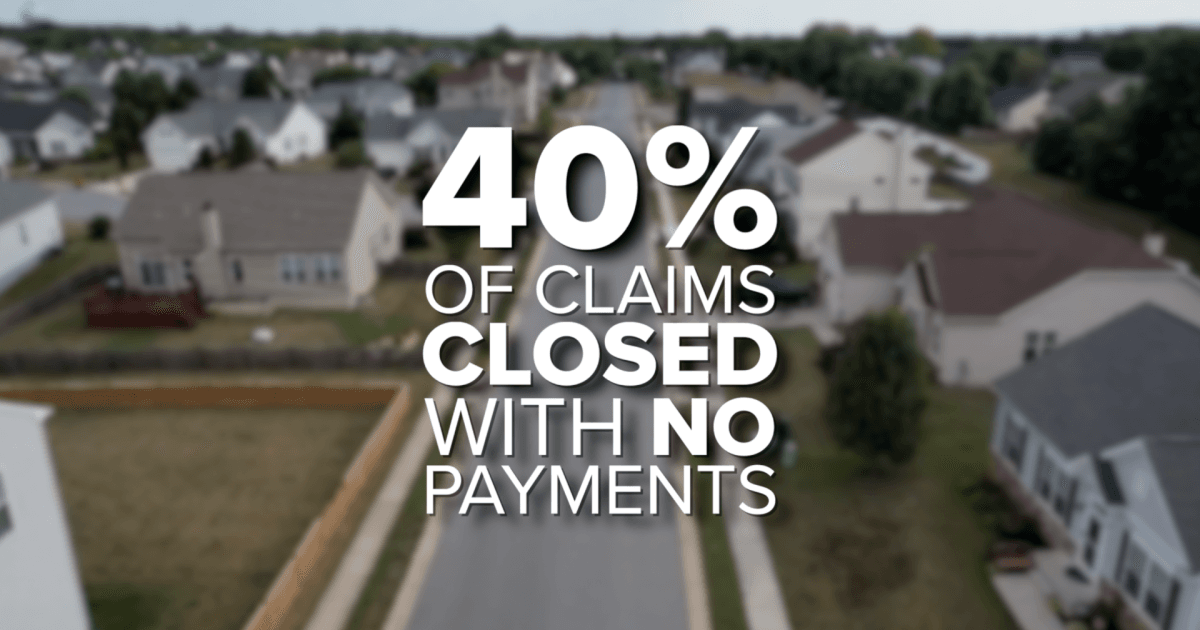
Florida’s average homeowner insurance premium has soared to $5,838 a year—almost $3,000 above the national average—pushing many residents to the financial brink. From tripled premiums to lowball claim payouts, homeowners are speaking out as frustration mounts. Some are even dropping coverage entirely. With more than 40% of claims closed without payment and policy cancellations at record levels, lawmakers are pushing for reforms, but political hurdles remain. The outcome could reshape Florida real estate, insurance, and mortgage markets for years to come.