FinCEN, Title Compliance, and the 2025 Regulatory Shake‑Up: What Professionals Need to Know
The title insurance industry entered 2025 expecting turbulence — but few anticipated just how rapidly the compliance landscape would evolve. Between new federal anti‑money‑laundering mandates, state‑driven rate changes, and increased scrutiny of attorney opinion letters, compliance teams across the country have spent the year bracing for sweeping operational changes.
HousingWire’s recent interview with Don O’Neill, Deputy General Counsel and Chief Compliance Officer at
WFG National Title, provides rare clarity on what the industry is facing — and what professionals should prepare for in 2026.
FinCEN’s Geographic Targeting Orders once applied only to a handful of high‑dollar, all‑cash transactions in select counties. But in 2025, the scope widened dramatically — and now the new Anti‑Money Laundering rule extends nationwide.
Under the updated rule:
Reporting applies to all 50 states and the District of Columbia
Roughly 3,600 recording jurisdictions fall under the requirement
The reporting threshold drops from $300,000 to $0 — the “first‑dollar rule”
Settlement agents are responsible for filing reports
Many professionals in previously unaffected states are only now learning what FinCEN reporting truly requires — and time is running out.
Effective Now, Enforceable Later
A major point of confusion: the rule became effective December 1, 2025, yet reporting won’t be required until March 1, 2026. Many assume the entire rule was delayed, but the truth is clear: it is already active.
A recent court decision further reinforced this. In a case brought by Fidelity National Financial, a magistrate judge affirmed FinCEN’s authority under the Bank Secrecy Act and AMLA, rejecting First and Fourth Amendment challenges.
Why This Matters for Your Workflow
Firms must invest in software updates, staff training, and procedural redesign now.
The rule is active — and scrambling in 2026 will be costly.
Operational Headache: Entity Buyers and Disclosure
One of the toughest challenges? Cash transactions involving corporate, trust, or LLC buyers. These buyers must now disclose ownership stakes of 25% or more — information they often resist sharing.
Settlement agents must verify accuracy before filing. As O’Neill puts it: “It’s federal law — FinCEN.”
State-Level Shifts: Rates and Regulatory Pressure
While federal rules dominate headlines, state regulators have accelerated their scrutiny:
Texas: Title premium reduction — initially 10%, later revised to 6.2%, effective March 2026.
California: Stricter justification requirements for rate filings and broader-spectrum reviews.
Title carriers and agents must now defend their pricing models more thoroughly than ever.
Attorney Opinion Letters: The Quiet Fault Line
Attorney opinion letters (AOLs) are under increasing regulatory attention. Tennessee and Virginia have issued bulletins clarifying what AOL providers can — and cannot — claim in advertising.
If an AOL is marketed as an “alternative to title insurance,” or suggests coverage gaps are filled, regulators may classify it as title insurance, triggering new compliance requirements.
What This Means for Professionals
Whether you’re in title, real estate, mortgage, finance, or law, 2025 marks a new era of transparency and reporting expectations. With 2026 deadlines on the horizon, professionals must stay educated, compliant, and proactive.
Staying compliant starts with staying informed — and staying licensed.
For those entering or advancing in real estate and title, compliance literacy is no longer optional.
Cameron Academy proudly supports professionals nationwide with licensing education, exam prep, and continuing education designed for today’s fast-changing regulatory world.
If you’re ready to strengthen your knowledge or elevate your team’s compliance skills, Cameron Academy is here to keep you ahead of the curve.
More Articles
Getting licensed or staying ahead in your career can be a journey—but it doesn’t have to be overwhelming. Grab your favorite coffee or tea, take a moment to relax, and browse through our articles. Whether you’re just starting out or renewing your expertise, we’ve got tips, insights, and advice to keep you moving forward. Here’s to your success—one sip and one step at a time!
The Phoenix housing market continues to outperform the rest of the country, posting stronger sales, rising equity, and an influx of qualified buyers. With closed sales, pending sales, new listings, and median prices all trending upward, the Valley is outpacing national growth by a wide margin. City‑level data shows impressive strength across Scottsdale, Goodyear, Gilbert, Phoenix, and more—making 2025 a powerful year for agents, investors, and professionals watching the Arizona market.
With the 2026 FIFA World Cup and America’s 250th birthday celebrations on the horizon, the U.S. job market is gearing up for a surge across multiple industries. Seasonal, flexible, and part‑time roles are expected to rise—especially for workers 50+ who have struggled in a cooling labor market. From accounting and HR leadership to event staffing and delivery driving, major cities are preparing for increased hiring tied to tourism, infrastructure, and yearlong national celebrations. Many of these fast‑growing roles connect directly to licensing and certification pathways, giving professionals new chances to pivot or upskill through programs offered by Cameron Academy.
Florida is rolling out a new wave of laws on January 1, 2026 that will impact professionals in real estate, insurance, healthcare, education, and other regulated industries. From new insurance rules and healthcare billing requirements to condo association deadlines and statewide databases, these updates reshape compliance expectations across the state. Whether you work in property, finance, or public‑facing services, understanding these changes is essential for staying aligned with Florida’s evolving regulations.
Nearly every commercial real estate professional is expecting a stronger year ahead, with 97% predicting increased or stable activity in 2026, according to Avison Young’s latest outlook. Confidence has surged dramatically since mid‑2025 as strong sales, anticipated rate cuts, and improving fundamentals across key sectors signal that CRE recovery and growth may finally be taking hold.
Dallas‑Fort Worth is finishing 2025 as the nation’s top real estate and business powerhouse, fueled by corporate relocations, a dominant industrial sector, infrastructure megaprojects, and a rapidly evolving workforce landscape. From data center expansion to the launch of the DART Silver Line, the region continues to outpace national trends—while also confronting a growing demand for skilled professionals and licensed talent across construction, real estate, and technical fields.
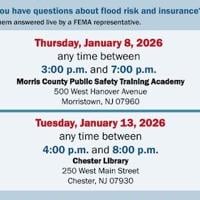
FEMA and the NJDEP have released revised preliminary flood maps for Morris County, reshaping how homeowners, real estate agents, insurers, and mortgage professionals assess flood risk. The updated FIRMs may shift properties into or out of higher‑risk zones, affecting insurance requirements, closing processes, and long‑term property values. With public review and appeals ahead, industry professionals are urged to study the changes now and prepare clients for potential impacts.