FinCEN, Title Compliance, and the 2025 Regulatory Shake‑Up: What Professionals Need to Know
The title insurance industry entered 2025 expecting turbulence — but few anticipated just how rapidly the compliance landscape would evolve. Between new federal anti‑money‑laundering mandates, state‑driven rate changes, and increased scrutiny of attorney opinion letters, compliance teams across the country have spent the year bracing for sweeping operational changes.
HousingWire’s recent interview with Don O’Neill, Deputy General Counsel and Chief Compliance Officer at
WFG National Title, provides rare clarity on what the industry is facing — and what professionals should prepare for in 2026.
FinCEN’s Geographic Targeting Orders once applied only to a handful of high‑dollar, all‑cash transactions in select counties. But in 2025, the scope widened dramatically — and now the new Anti‑Money Laundering rule extends nationwide.
Under the updated rule:
Reporting applies to all 50 states and the District of Columbia
Roughly 3,600 recording jurisdictions fall under the requirement
The reporting threshold drops from $300,000 to $0 — the “first‑dollar rule”
Settlement agents are responsible for filing reports
Many professionals in previously unaffected states are only now learning what FinCEN reporting truly requires — and time is running out.
Effective Now, Enforceable Later
A major point of confusion: the rule became effective December 1, 2025, yet reporting won’t be required until March 1, 2026. Many assume the entire rule was delayed, but the truth is clear: it is already active.
A recent court decision further reinforced this. In a case brought by Fidelity National Financial, a magistrate judge affirmed FinCEN’s authority under the Bank Secrecy Act and AMLA, rejecting First and Fourth Amendment challenges.
Why This Matters for Your Workflow
Firms must invest in software updates, staff training, and procedural redesign now.
The rule is active — and scrambling in 2026 will be costly.
Operational Headache: Entity Buyers and Disclosure
One of the toughest challenges? Cash transactions involving corporate, trust, or LLC buyers. These buyers must now disclose ownership stakes of 25% or more — information they often resist sharing.
Settlement agents must verify accuracy before filing. As O’Neill puts it: “It’s federal law — FinCEN.”
State-Level Shifts: Rates and Regulatory Pressure
While federal rules dominate headlines, state regulators have accelerated their scrutiny:
Texas: Title premium reduction — initially 10%, later revised to 6.2%, effective March 2026.
California: Stricter justification requirements for rate filings and broader-spectrum reviews.
Title carriers and agents must now defend their pricing models more thoroughly than ever.
Attorney Opinion Letters: The Quiet Fault Line
Attorney opinion letters (AOLs) are under increasing regulatory attention. Tennessee and Virginia have issued bulletins clarifying what AOL providers can — and cannot — claim in advertising.
If an AOL is marketed as an “alternative to title insurance,” or suggests coverage gaps are filled, regulators may classify it as title insurance, triggering new compliance requirements.
What This Means for Professionals
Whether you’re in title, real estate, mortgage, finance, or law, 2025 marks a new era of transparency and reporting expectations. With 2026 deadlines on the horizon, professionals must stay educated, compliant, and proactive.
Staying compliant starts with staying informed — and staying licensed.
For those entering or advancing in real estate and title, compliance literacy is no longer optional.
Cameron Academy proudly supports professionals nationwide with licensing education, exam prep, and continuing education designed for today’s fast-changing regulatory world.
If you’re ready to strengthen your knowledge or elevate your team’s compliance skills, Cameron Academy is here to keep you ahead of the curve.
More Articles
Getting licensed or staying ahead in your career can be a journey—but it doesn’t have to be overwhelming. Grab your favorite coffee or tea, take a moment to relax, and browse through our articles. Whether you’re just starting out or renewing your expertise, we’ve got tips, insights, and advice to keep you moving forward. Here’s to your success—one sip and one step at a time!
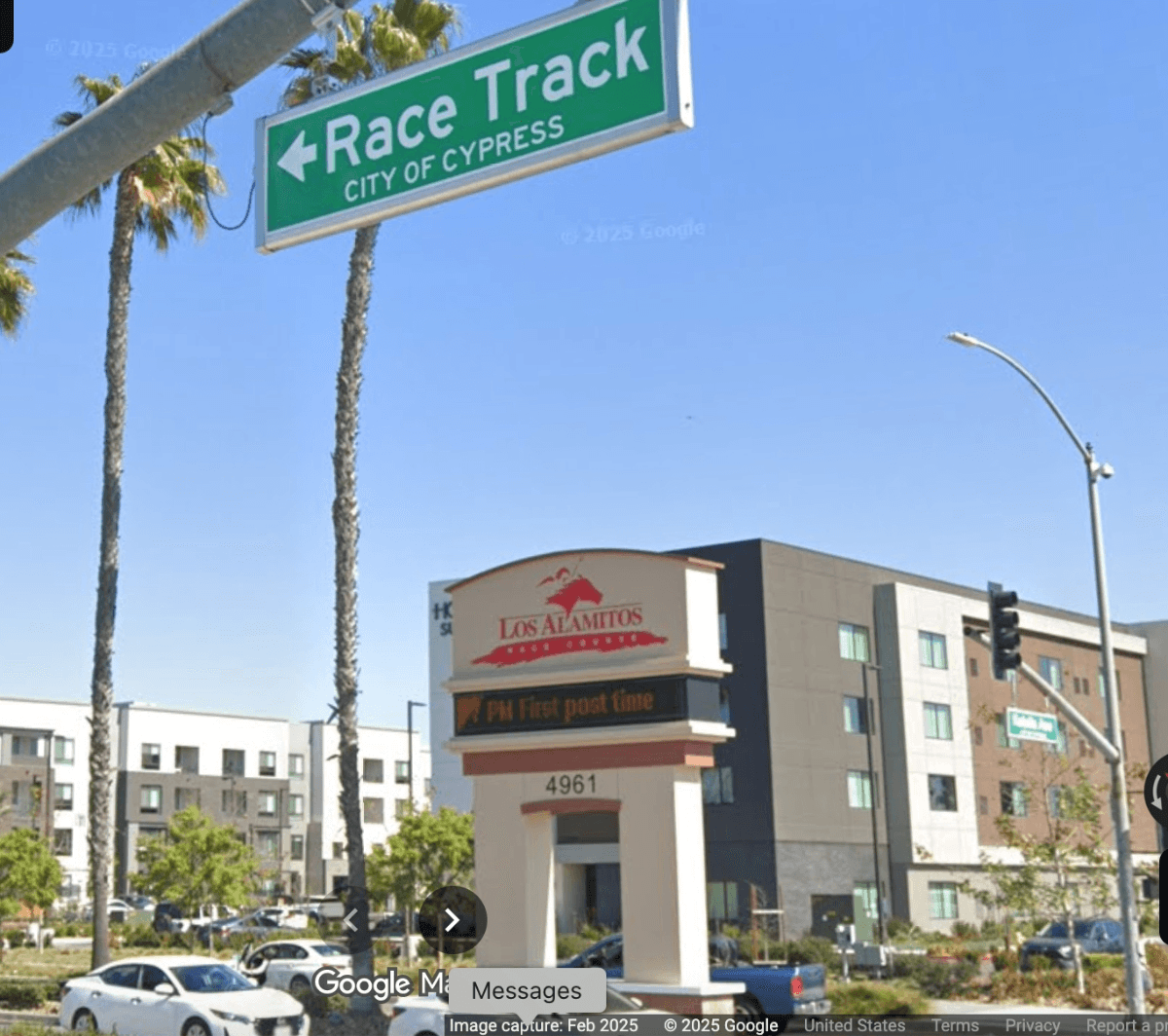
Los Alamitos Race Course is facing its most serious crisis in years after 18 horses died in 2025, prompting regulators to warn the track that its racing license is at risk without immediate safety reforms. Following three catastrophic injuries in a single day, the California Horse Racing Board has ordered urgent changes—including more veterinarians, stricter medication rules, and enhanced on‑track medical support—as pressure mounts for stronger oversight in a sport already under national scrutiny.
Canadian investors have poured more than US$5.8 billion into U.S. commercial real estate this year, making the U.S. their top destination even amid a lingering tariff dispute. Tight inventory in Canada and greater deal availability south of the border are driving the trend, with data centers and industrial properties emerging as the hottest targets for 2025.
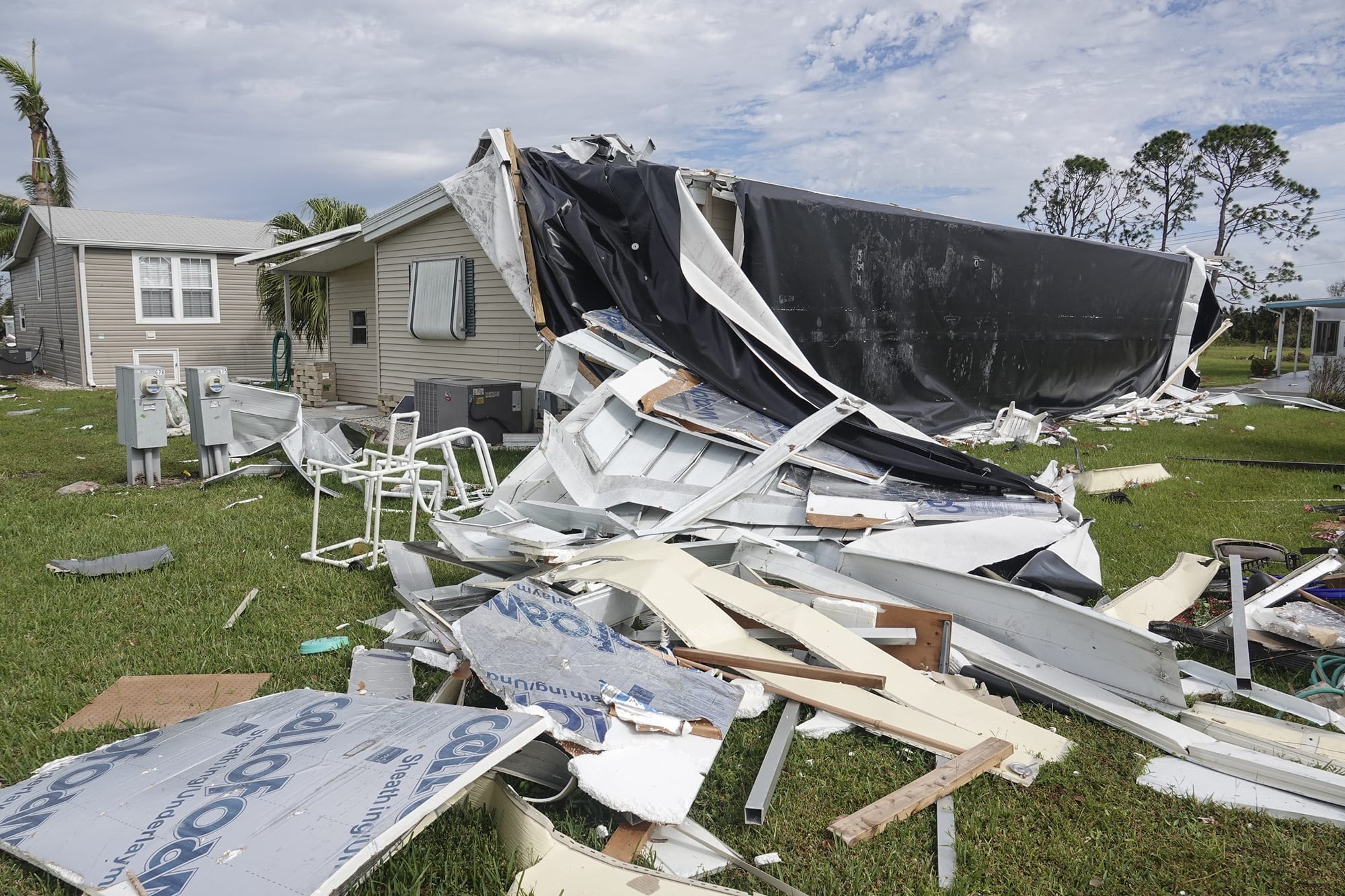
Florida’s insurance commissioner says even industry pros struggle to read today’s 150‑page homeowners policies—leaving residents shocked when hurricane claims are denied. With rising premiums, high replacement costs, and widespread confusion over exclusions like flood and water damage, the state is pushing for simpler, clearer policy language so homeowners know what they’re actually covered for before the next storm hits.
Following the 2025 elections, major metros like New York, Chicago, Miami, Los Angeles, and Boston are implementing policy shifts that could reshape property values, rental income, development timelines, and investment strategy heading into 2026. From New York’s push toward aggressive rent reform to Chicago’s sustainability mandates and Miami’s uncertain mayoral runoff, these changes signal a new era where local politics increasingly dictate market performance. This breakdown highlights the biggest post‑election real estate pivots and what they mean for investors, agents, and finance professionals preparing for a rapidly evolving landscape.
Florida’s Insurance Commissioner is sounding the alarm after thousands of homeowners discovered—only after hurricanes Helene and Milton—that the coverage they thought they had didn’t exist. With nearly 150,000 unpaid claims tied to misunderstood flood exclusions, water‑damage caps, and buried policy clauses, state leaders are pushing to simplify the dense, confusing documents most Floridians never read. As insurance costs remain one of the state’s top concerns, this growing complexity is creating a massive opportunity for real estate, mortgage, and insurance professionals to guide consumers before disaster strikes.
Florida’s insurance market is reliving an old crisis under a new name. Despite reforms meant to stabilize the system, homeowners are being forced out of Citizens and into pricier policies from small insurers with shaky financial histories. Companies tied to past insolvencies are returning with fresh branding, while highly rated carriers continue to deny a majority of claims. With political influence muddying regulation and climate risks rising, experts warn that only a full structural overhaul—not cosmetic reforms—can restore confidence for homeowners, agents, and the entire real estate market.