FinCEN, Title Compliance, and the 2025 Regulatory Shake‑Up: What Professionals Need to Know
The title insurance industry entered 2025 expecting turbulence — but few anticipated just how rapidly the compliance landscape would evolve. Between new federal anti‑money‑laundering mandates, state‑driven rate changes, and increased scrutiny of attorney opinion letters, compliance teams across the country have spent the year bracing for sweeping operational changes.
HousingWire’s recent interview with Don O’Neill, Deputy General Counsel and Chief Compliance Officer at
WFG National Title, provides rare clarity on what the industry is facing — and what professionals should prepare for in 2026.
FinCEN’s Geographic Targeting Orders once applied only to a handful of high‑dollar, all‑cash transactions in select counties. But in 2025, the scope widened dramatically — and now the new Anti‑Money Laundering rule extends nationwide.
Under the updated rule:
Reporting applies to all 50 states and the District of Columbia
Roughly 3,600 recording jurisdictions fall under the requirement
The reporting threshold drops from $300,000 to $0 — the “first‑dollar rule”
Settlement agents are responsible for filing reports
Many professionals in previously unaffected states are only now learning what FinCEN reporting truly requires — and time is running out.
Effective Now, Enforceable Later
A major point of confusion: the rule became effective December 1, 2025, yet reporting won’t be required until March 1, 2026. Many assume the entire rule was delayed, but the truth is clear: it is already active.
A recent court decision further reinforced this. In a case brought by Fidelity National Financial, a magistrate judge affirmed FinCEN’s authority under the Bank Secrecy Act and AMLA, rejecting First and Fourth Amendment challenges.
Why This Matters for Your Workflow
Firms must invest in software updates, staff training, and procedural redesign now.
The rule is active — and scrambling in 2026 will be costly.
Operational Headache: Entity Buyers and Disclosure
One of the toughest challenges? Cash transactions involving corporate, trust, or LLC buyers. These buyers must now disclose ownership stakes of 25% or more — information they often resist sharing.
Settlement agents must verify accuracy before filing. As O’Neill puts it: “It’s federal law — FinCEN.”
State-Level Shifts: Rates and Regulatory Pressure
While federal rules dominate headlines, state regulators have accelerated their scrutiny:
Texas: Title premium reduction — initially 10%, later revised to 6.2%, effective March 2026.
California: Stricter justification requirements for rate filings and broader-spectrum reviews.
Title carriers and agents must now defend their pricing models more thoroughly than ever.
Attorney Opinion Letters: The Quiet Fault Line
Attorney opinion letters (AOLs) are under increasing regulatory attention. Tennessee and Virginia have issued bulletins clarifying what AOL providers can — and cannot — claim in advertising.
If an AOL is marketed as an “alternative to title insurance,” or suggests coverage gaps are filled, regulators may classify it as title insurance, triggering new compliance requirements.
What This Means for Professionals
Whether you’re in title, real estate, mortgage, finance, or law, 2025 marks a new era of transparency and reporting expectations. With 2026 deadlines on the horizon, professionals must stay educated, compliant, and proactive.
Staying compliant starts with staying informed — and staying licensed.
For those entering or advancing in real estate and title, compliance literacy is no longer optional.
Cameron Academy proudly supports professionals nationwide with licensing education, exam prep, and continuing education designed for today’s fast-changing regulatory world.
If you’re ready to strengthen your knowledge or elevate your team’s compliance skills, Cameron Academy is here to keep you ahead of the curve.
More Articles
Getting licensed or staying ahead in your career can be a journey—but it doesn’t have to be overwhelming. Grab your favorite coffee or tea, take a moment to relax, and browse through our articles. Whether you’re just starting out or renewing your expertise, we’ve got tips, insights, and advice to keep you moving forward. Here’s to your success—one sip and one step at a time!
A federal judge has denied class‑certification in the high‑stakes Batton commission lawsuit, delivering a temporary win for NAR and major brokerages while leaving the door open for plaintiffs to try again. With as much as $3.6 billion in potential damages on the line and nearly 80% of the proposed class now disqualified due to conflicts with earlier settlements, the case stands at a pivotal moment. Real estate professionals nationwide — especially in Florida — should watch closely, as the ruling could shape the future of buyer‑agent compensation.
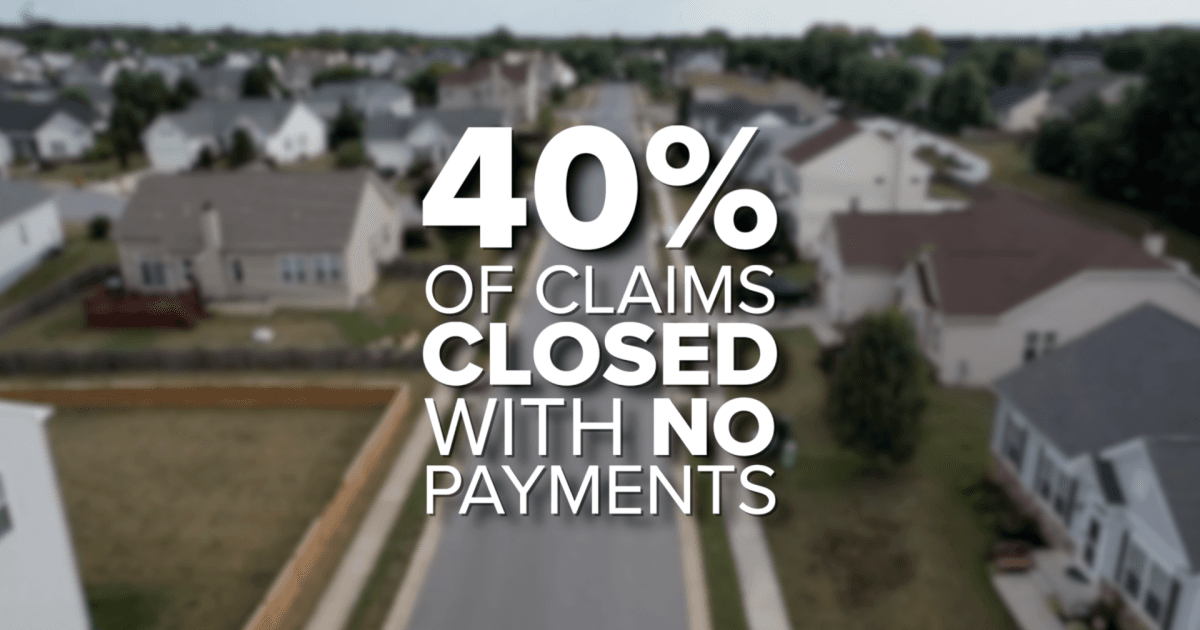
Florida homeowners are paying nearly double the national average for insurance, with premiums now reaching $5,838 a year and denied claims topping 40 percent. Residents report tripled rates, underpaid claims, and mounting financial strain, pushing lawmakers in Tallahassee to propose caps on rate hikes, tax breaks for storm‑proof upgrades, and tighter oversight of insurers. These developments are reshaping real estate and insurance conversations across the state as professionals brace for major industry shifts.
Berkshire County closed Q3 2025 with strong momentum as sales, dollar volume, and buyer competition all climbed year‑over‑year. Inventory showed slight improvement but remains far below demand, keeping the market tilted toward sellers. Single‑family homes and condos led the surge, while multifamily, land, and commercial sectors showed mixed performance. The region continues to stand out as one of New England’s most resilient real estate markets heading into 2026.
Florida homeowners now face the highest insurance burdens in the nation, with average premiums topping $5,800 per year—roughly $3,000 above the national average. As rates triple for some residents, more Floridians are skipping coverage altogether, while denied claims and slow payouts add to the frustration. With over 40 percent of claims closing with no payment and lawmakers battling over reform in Tallahassee, the crisis is reshaping budgets, homebuying decisions, and the real estate industry statewide.
Global capital is surging back into real estate—and this time, investors want more control. Colliers’ 2026 Global Investor Outlook reveals a major shift toward direct investments, joint ventures, and hands‑on strategies as money moves across North America, Europe, and the booming Asia‑Pacific markets. Data centers are now the top‑funded asset class, offices are staging a comeback, and adaptive reuse is reshaping cities worldwide. For real estate and finance professionals, the message is clear: opportunity is accelerating, and those with the right education and licensing will be at the center of the action.
The Fed’s recent rate cuts should have offered relief to commercial real estate—but long-term borrowing costs haven’t budged. While short‑term rates are falling, stubborn long‑term yields, broken deal math, and a trillion‑dollar refinancing wave are keeping the market frozen. For investors and professionals across Florida and the nation, understanding this disconnect is key to navigating the opportunities and risks emerging in today’s shifting CRE landscape.