FinCEN, Title Compliance, and the 2025 Regulatory Shake‑Up: What Professionals Need to Know
The title insurance industry entered 2025 expecting turbulence — but few anticipated just how rapidly the compliance landscape would evolve. Between new federal anti‑money‑laundering mandates, state‑driven rate changes, and increased scrutiny of attorney opinion letters, compliance teams across the country have spent the year bracing for sweeping operational changes.
HousingWire’s recent interview with Don O’Neill, Deputy General Counsel and Chief Compliance Officer at
WFG National Title, provides rare clarity on what the industry is facing — and what professionals should prepare for in 2026.
FinCEN’s Geographic Targeting Orders once applied only to a handful of high‑dollar, all‑cash transactions in select counties. But in 2025, the scope widened dramatically — and now the new Anti‑Money Laundering rule extends nationwide.
Under the updated rule:
Reporting applies to all 50 states and the District of Columbia
Roughly 3,600 recording jurisdictions fall under the requirement
The reporting threshold drops from $300,000 to $0 — the “first‑dollar rule”
Settlement agents are responsible for filing reports
Many professionals in previously unaffected states are only now learning what FinCEN reporting truly requires — and time is running out.
Effective Now, Enforceable Later
A major point of confusion: the rule became effective December 1, 2025, yet reporting won’t be required until March 1, 2026. Many assume the entire rule was delayed, but the truth is clear: it is already active.
A recent court decision further reinforced this. In a case brought by Fidelity National Financial, a magistrate judge affirmed FinCEN’s authority under the Bank Secrecy Act and AMLA, rejecting First and Fourth Amendment challenges.
Why This Matters for Your Workflow
Firms must invest in software updates, staff training, and procedural redesign now.
The rule is active — and scrambling in 2026 will be costly.
Operational Headache: Entity Buyers and Disclosure
One of the toughest challenges? Cash transactions involving corporate, trust, or LLC buyers. These buyers must now disclose ownership stakes of 25% or more — information they often resist sharing.
Settlement agents must verify accuracy before filing. As O’Neill puts it: “It’s federal law — FinCEN.”
State-Level Shifts: Rates and Regulatory Pressure
While federal rules dominate headlines, state regulators have accelerated their scrutiny:
Texas: Title premium reduction — initially 10%, later revised to 6.2%, effective March 2026.
California: Stricter justification requirements for rate filings and broader-spectrum reviews.
Title carriers and agents must now defend their pricing models more thoroughly than ever.
Attorney Opinion Letters: The Quiet Fault Line
Attorney opinion letters (AOLs) are under increasing regulatory attention. Tennessee and Virginia have issued bulletins clarifying what AOL providers can — and cannot — claim in advertising.
If an AOL is marketed as an “alternative to title insurance,” or suggests coverage gaps are filled, regulators may classify it as title insurance, triggering new compliance requirements.
What This Means for Professionals
Whether you’re in title, real estate, mortgage, finance, or law, 2025 marks a new era of transparency and reporting expectations. With 2026 deadlines on the horizon, professionals must stay educated, compliant, and proactive.
Staying compliant starts with staying informed — and staying licensed.
For those entering or advancing in real estate and title, compliance literacy is no longer optional.
Cameron Academy proudly supports professionals nationwide with licensing education, exam prep, and continuing education designed for today’s fast-changing regulatory world.
If you’re ready to strengthen your knowledge or elevate your team’s compliance skills, Cameron Academy is here to keep you ahead of the curve.
More Articles
Getting licensed or staying ahead in your career can be a journey—but it doesn’t have to be overwhelming. Grab your favorite coffee or tea, take a moment to relax, and browse through our articles. Whether you’re just starting out or renewing your expertise, we’ve got tips, insights, and advice to keep you moving forward. Here’s to your success—one sip and one step at a time!
Skyrocketing insurance premiums and soaring rebuilding costs are transforming communities across Southwest Florida, especially in the wake of Hurricane Ian. As longtime residents struggle to keep up with rising financial pressure, wealthier newcomers and stricter building standards are reshaping the identity of places like Fort Myers Beach. With insurance rates now driving home sales, triggering potential foreclosures, and squeezing both owners and renters, Florida’s middle-class families face a growing question: can they afford to stay in the state they love?
Florida’s insurance industry is stabilizing fast, with nearly 1.6 million policies shifting from Citizens to private insurers and litigation dropping sharply. Regulators report stronger market confidence, decreasing premiums, and renewed competition—signaling one of the healthiest periods the state has seen in years.
A Leon County judge has ordered the restart of arbitration for Citizens Property Insurance claims, directly conflicting with a previous ruling that halted the process as potentially unconstitutional. With more than 400 cases now back in motion, real estate, insurance, and mortgage professionals can expect renewed activity in claim disputes and fresh uncertainty as Florida courts clash over the legality of Citizens’ arbitration system.
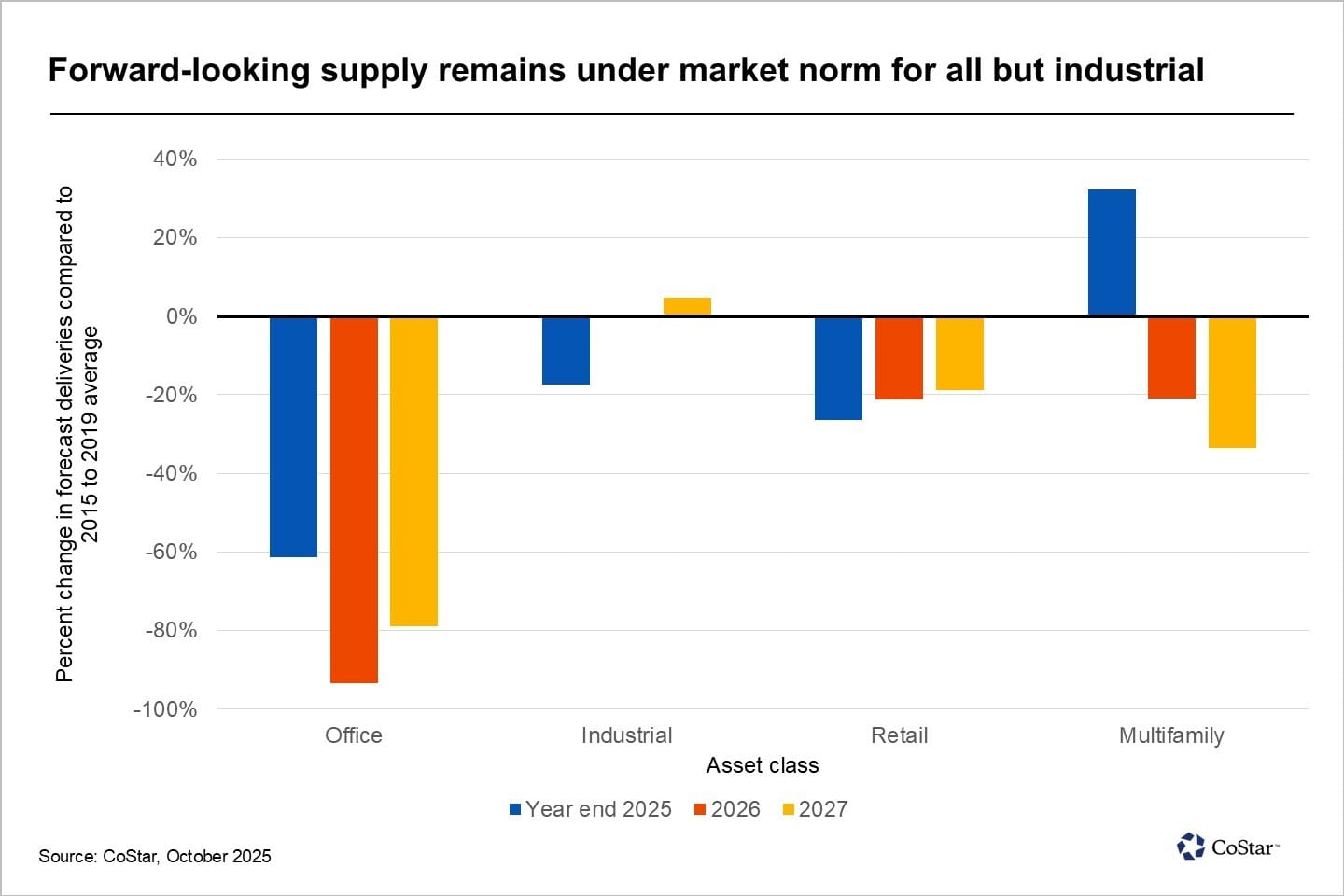
The DFW market is transitioning into a new construction phase marked by a slowdown in office development, a more selective approach to industrial projects, and an evolving housing landscape shaped by affordability and population growth. Developers are recalibrating their priorities, and for real estate professionals, understanding these shifts offers a critical edge in navigating—and capitalizing on—the next phase of the metroplex’s growth.
A new federal lawsuit claims Zillow pushed homebuyers toward Zillow Home Loans by rewarding affiliated agents with valuable leads — all without proper disclosure. The suit alleges undisclosed incentives, referral quotas, and potential RESPA violations, raising major concerns about steering, fiduciary duties, and Zillow’s expanding mortgage ambitions.
The mortgage industry is evolving fast, and the lenders who come out on top will be those who innovate without uprooting what already works. By building on strong technology foundations, streamlining workflows and adopting smart automation, lenders can reduce costs, improve customer experience and stay resilient in any market cycle. This article breaks down why innovation matters now, how a stable tech ecosystem protects lenders in volatile conditions and why small, strategic steps can drive long-term transformation.