FinCEN’s New Residential Real Estate Reporting Rule: What Buyers, Investors, and Agents Need to Know
A major shift is coming to the U.S. residential real estate market, and it affects more people than many realize. Companies, trusts, family offices, private investors, developers, and investment vehicles purchasing residential property will soon face a new federal reporting requirement under a recently announced FinCEN rule. Even individuals making cash purchases may fall under the new guidelines.
What Is FinCEN Changing?
FinCEN, the Financial Crimes Enforcement Network, is introducing a national reporting standard for certain residential real estate acquisitions. Historically, all-cash real estate deals avoided many banking-related reporting requirements. This loophole created opportunities for anonymous purchases, hidden ownership, and illicit financial activity.
This new rule seeks to close that gap and increase transparency across the industry. Buyers using legal entities, trusts, or nontraditional purchase structures may now have to disclose beneficial ownership information directly to FinCEN.
Who Will Be Required to Report?
The rule is expected to apply to:
Companies purchasing residential real estate
Family offices and trusts
Developers and private investment groups
Real estate investment vehicles
Cash buyers who bypass traditional financing
The goal is to ensure federal authorities can identify the true individuals behind property acquisitions that previously operated with limited oversight.
Why This Matters for Real Estate Professionals
For active agents, brokers, and real estate advisors, this change will reshape transaction workflows. Professionals will need a stronger understanding of compliance requirements and how to guide clients who purchase through entities or nontraditional financing.
This is where education becomes essential. At Cameron Academy, we place regulatory awareness at the center of our curriculum. Our licensing and continuing education programs prepare both new and seasoned professionals to navigate changing laws confidently, especially in compliance-heavy states like Florida.
How Investors and Buyers Should Prepare
Buyers and investment groups should begin reviewing their acquisition structures now. Expect more documentation, more disclosures, and a greater emphasis on identifying beneficial owners. Working with informed real estate professionals will help avoid delays and compliance mistakes once the rule goes into effect.
(c) 2026 Procopio, Cory, Hargreaves & Savitch LLP. Procopio is a service mark of Procopio, Cory, Hargreaves & Savitch LLP.
More Articles
Getting licensed or staying ahead in your career can be a journey—but it doesn’t have to be overwhelming. Grab your favorite coffee or tea, take a moment to relax, and browse through our articles. Whether you’re just starting out or renewing your expertise, we’ve got tips, insights, and advice to keep you moving forward. Here’s to your success—one sip and one step at a time!
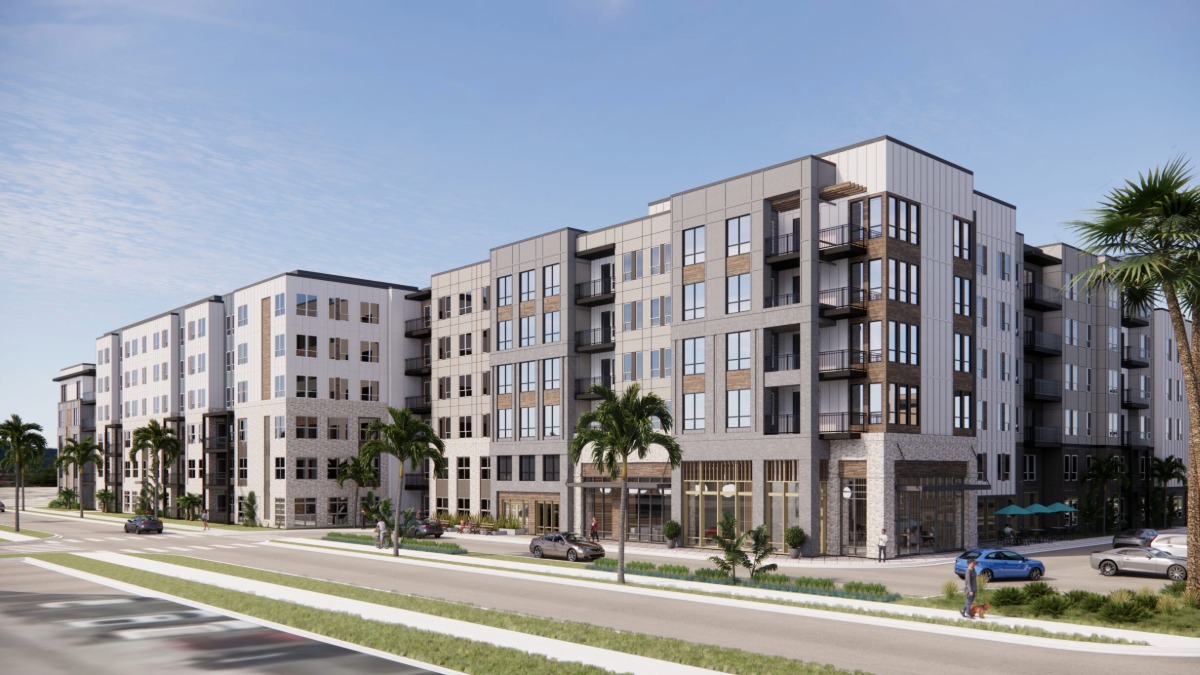
Landmark Properties has officially begun construction on The Mark Tampa, a six‑story luxury student community featuring over 800 beds, rooftop amenities, study spaces, retail, and modern unit layouts. Set to open before the 2027–2028 school year, the project signals strong investor confidence in North Tampa’s booming student housing market.
Florida’s property and auto insurance crisis is intensifying, setting the stage for a major political showdown ahead of the 2026 elections. Republicans argue recent reforms are finally stabilizing the market, while Democrats insist families are being crushed by soaring premiums and can’t wait for relief. With homeowners, condo associations, and insurers all feeling the pressure, lawmakers are preparing for one of the most consequential legislative battles in years.
Markets are betting heavily on a Federal Reserve rate cut in December, but that doesn’t guarantee lower mortgage rates. Even with an 85% chance of a cut priced in, mortgage rates move more with the 10‑year Treasury than the Fed itself — and recent history shows rates can rise even when the Fed eases. Today’s 6.43% average rate is the lowest in over a year, but still unpredictable, making financial readiness more important than trying to time the market.
Grand Junction is experiencing a powerful commercial real estate upswing, with 151 commercial units closed so far in 2025—a 36% jump from last year. Building permits are also up 23%, signaling expanding development momentum. Brokers say interest from national chains is accelerating the city’s evolution, bringing jobs, investment, and long‑term economic potential to Colorado’s Western Slope.
Nashville continues its rise as one of the nation’s most attractive real estate markets, landing the #6 spot in the Emerging Trends in Real Estate 2026 report from PwC and ULI. With strong demographic momentum, business expansion, and a development pipeline drawing national eyes, the city stands out amid shifting economic conditions. The report highlights fast‑growing sectors such as data centers, senior housing, and evolving office dynamics—offering real estate professionals valuable insight into where opportunities are emerging next.
Canada’s commercial real estate sector continues to evolve rapidly, with new data revealing major transactions, shifting investment patterns, and emerging economic signals across the country. From resilient retail spending to cooling construction and regional standouts like Montreal and the Prairies, this week’s CRE pulse—powered by Altus Group’s research team—gives real estate, mortgage, and finance professionals a sharp snapshot of the market forces to watch as 2025 winds down.