Finding Your Niche: The Key to Real Estate Success

In the world of real estate investing, finding a niche is not just recommended; it’s essential for achieving financial success. As highlighted in a Forbes article, the path to riches is paved with specialization and focus.
Geographical Niche Understanding the geographical dynamics of your chosen investment area is crucial. Not all rental properties are created equal, and the economic factors influencing rent can vary significantly from one region to another. For instance, single-family rentals in Alabama may operate differently compared to multifamily rentals in Detroit. By honing in on a specific area, investors can gain a deep understanding of local trends, making them more agile and competitive in the market.
Property Type Choosing the right property type is as important as selecting the right location. Investors must decide between residential and commercial properties, and within residential, whether to focus on single-family or multifamily homes. Each choice comes with its own set of dynamics and market influences.
Price Point and Tenant Base Determining the right price point and understanding your tenant base are critical steps. Investors must know the value of properties to identify good deals and set appropriate budgets for repairs and improvements. Additionally, knowing your ideal tenant—whether market-based or subsidized tenants—helps in making informed financial decisions.
The article from Forbes also emphasizes the benefits of niche specialization, such as better pricing from local vendors and early access to deals through established relationships with real estate agents and lenders. As the author from The Mandrell Company suggests, having a laser-like focus in your investment strategy can elevate your career to new heights.
In conclusion, the key takeaway from the Forbes piece is clear: to succeed in real estate, you must find your niche and understand it deeply. This approach not only leads to greater profitability but also positions you as an expert in your chosen field.


More Articles

Getting licensed or staying ahead in your career can be a journey—but it doesn’t have to be overwhelming. Grab your favorite coffee or tea, take a moment to relax, and browse through our articles. Whether you’re just starting out or renewing your expertise, we’ve got tips, insights, and advice to keep you moving forward. Here’s to your success—one sip and one step at a time!

Housing Costs Surge: Navigating the 2024 Construction Material Price Hike

In an unexpected twist of economic fate, the construction industry finds itself grappling with a steep ascent in building material costs, a trend that began its climb at the dawn of 2024.

Texas High-Tech Sector Rebounds Post-Pandemic, Set for New Growth Trajectory

As the dust settles from the pandemic, Texas' high-tech sector is shaking off its post-pandemic slump and gearing up for a new growth trajectory.

Struggling Landlords Seek Relief Amid Rising Insurance Costs

In the ever-evolving landscape of commercial real estate, a new challenge has emerged, straining the resilience of landlords and developers alike. The soaring costs of insurance, exacerbated by climate-induced natural disasters, are creating a formidable obstacle for property owners. Particularly affected are coastal cities and towns, where the risk of storms and floods is high.

By |October 24, 2024|Categories: Article, Insurance, Real Estate|Tags: , |0 Comments

CDK Global’s Cyberattack Disrupts U.S. Car Dealerships

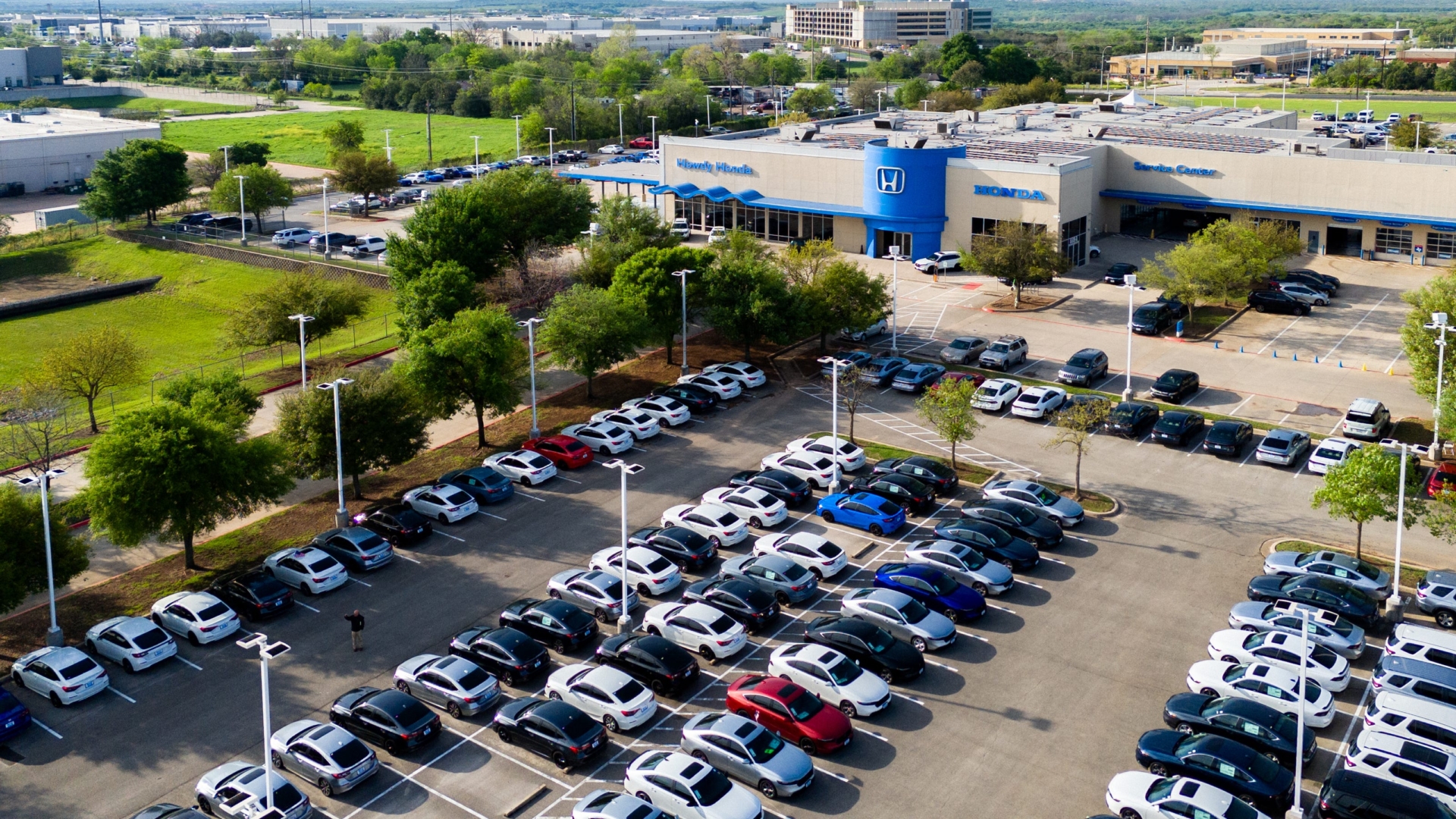
In a significant cyberattack that has disrupted operations across the United States, CDK Global, a leading provider of cloud-based software to automotive dealerships, was forced to shut down most of its systems. This incident has highlighted the vulnerabilities and rising trend of cyberattacks targeting the auto industry.

By |October 23, 2024|Categories: Article, Automotive Industry, Cybersecurity|Tags: , |0 Comments

Commercial Real Estate: A Sector Under Siege

The commercial real estate landscape has experienced seismic shifts, particularly with properties purchased prior to the Covid-19 pandemic. Many of these assets now hold diminished value compared to the loans used to acquire them.