Five New Florida Laws Now in Effect: Here’s What Every Resident Should Know

Florida skyline with palm trees

Florida rings in the new year with impactful statewide changes shaping healthcare, pets, insurance policies, and government employee benefits. First reported by NBC Miami and Telemundo Digital, these five laws—official as of January 1—are already influencing everyday life across the Sunshine State.

For working professionals—from medical providers and insurance agents to anyone navigating Florida’s evolving licensing requirements—understanding these legislative updates is essential. At Cameron Academy, where thousands train in real estate, insurance, medical fields, and more, these swift shifts highlight how important it is to stay educated and informed.

1. SB 1808 – Faster Refunds for Medical Overpayments

Healthcare professionals now have a strict 30‑day deadline to return any excess payments made by patients. Violations may result in fines up to $500 per incident.

This upgrade boosts transparency and ensures Floridians receive their rightful refunds quickly—benefiting both patients and medical administrators.

2. HB 255 – “Dexter’s Law,” Florida’s Animal Abuse Registry

A brand‑new statewide public database now lists residents charged with animal cruelty. The law was inspired by the tragic case of Dexter, a rescued dog who was inhumanely decapitated after adoption.

This is one of Florida’s strongest protections yet for vulnerable animals, helping shelters and adopters make safe, informed decisions.

3. SB 158 – Eliminating Breast Exam Copays for State Employees

State employees will no longer pay copays for diagnostic or supplemental breast examinations, expanding access to early detection and critical preventive care.

Thousands of Floridians in government roles stand to benefit from this life‑supporting change.

4. HB 655 – New Transparency Rules for Pet Insurance

Pet insurance now comes with increased consumer transparency. Companies must clearly disclose exclusions, pre‑existing condition rules, claim formulas, and exam requirements.

Customers receive a 30‑day review period for refunds, and insurers can no longer require wellness programs to secure coverage.

Importantly, insurance agents must complete specialized pet‑insurance training—an area where Cameron Academy continues to help professionals stay licensed, compliant, and competitive.

5. SB 944 – Faster Overpayment Disputes for Psychologists

Insurance companies now have only 12 months—down from 30 months—to file overpayment claims against psychologists.

This keeps financial disputes timely and supports mental health professionals by reducing long‑term administrative uncertainties.

Want more updates impacting Florida’s licensed professionals?
Explore flexible online courses in real estate, insurance, healthcare, and more at CameronAcademy.com—built for modern professionals who want to stay ahead.

Source: NBC Miami — New Florida Laws Take Effect 2026

More Articles

Getting licensed or staying ahead in your career can be a journey—but it doesn’t have to be overwhelming. Grab your favorite coffee or tea, take a moment to relax, and browse through our articles. Whether you’re just starting out or renewing your expertise, we’ve got tips, insights, and advice to keep you moving forward. Here’s to your success—one sip and one step at a time!

NAR’s New MLS Policy Changes Spark Immediate Legal Pushback in Michigan

Just 48 hours after NAR unveiled major revisions to its MLS policies, plaintiffs in the Michigan-based Hardy lawsuit moved to use those changes as evidence, arguing they prove NAR’s prior rules were anticompetitive. NAR denies any wrongdoing, but the case is quickly becoming a key test for whether MLS access should require Realtor membership — a question now echoing across multiple states and potentially reshaping how real estate professionals nationwide access the industry’s most essential tool.

Florida Homeowners Grapple With Soaring Insurance Costs as Lawmakers Push for Reform

Florida homeowners are now paying some of the highest insurance premiums in the country, with average costs topping $5,800 per year—nearly double the national average. Residents report skyrocketing rates, denied claims, and tough choices between costly coverage and financial risk. As frustration grows, lawmakers and consumer advocates are pushing new reforms aimed at increasing transparency, capping rate hikes, and protecting policyholders in one of the nation’s most volatile insurance markets.

Top 2026 Commercial Real Estate Issues Every Pro Should Be Watching

Economic uncertainty, rapid AI adoption, tighter capital flows, and rising portfolio risk are reshaping the 2026 commercial real estate landscape. From shifting workforce patterns to a national housing attainability crisis, the industry is entering a data‑driven, fundamentals‑focused era—making adaptability, education, and tech literacy essential for real estate professionals.

Mortgage Rates Rise as Markets Lose Faith in a December Fed Cut

Mortgage rates have climbed to 6.23 percent as investors grow doubtful that the Federal Reserve will deliver a rate cut in December. A soft but unclear jobs report and persistent inflation have pushed borrowing costs higher, reversing October’s brief relief in the housing market. Real estate and mortgage professionals should prepare clients for continued volatility as the Fed’s December meeting approaches.

Housing Market Poised for a Major 2026 Comeback: What Florida Pros Need to Know

After years of tight inventory, high mortgage rates, and sluggish sales, economists say 2026 is shaping up to be the turnaround real estate professionals have been waiting for. NAR projects a 14 percent jump in home sales, mortgage rates easing toward 6 percent, and buyer demand finally gaining momentum. While higher‑end homes are moving quickly, first‑time buyers continue to face affordability challenges, and price reductions are reappearing as sellers adjust to shifting conditions. For Florida agents, brokers, and newcomers, the stage is being set for a busy and opportunity‑rich year.

Florida Homeowners Hit With Record Insurance Costs as Lawmakers and Residents Demand Reform

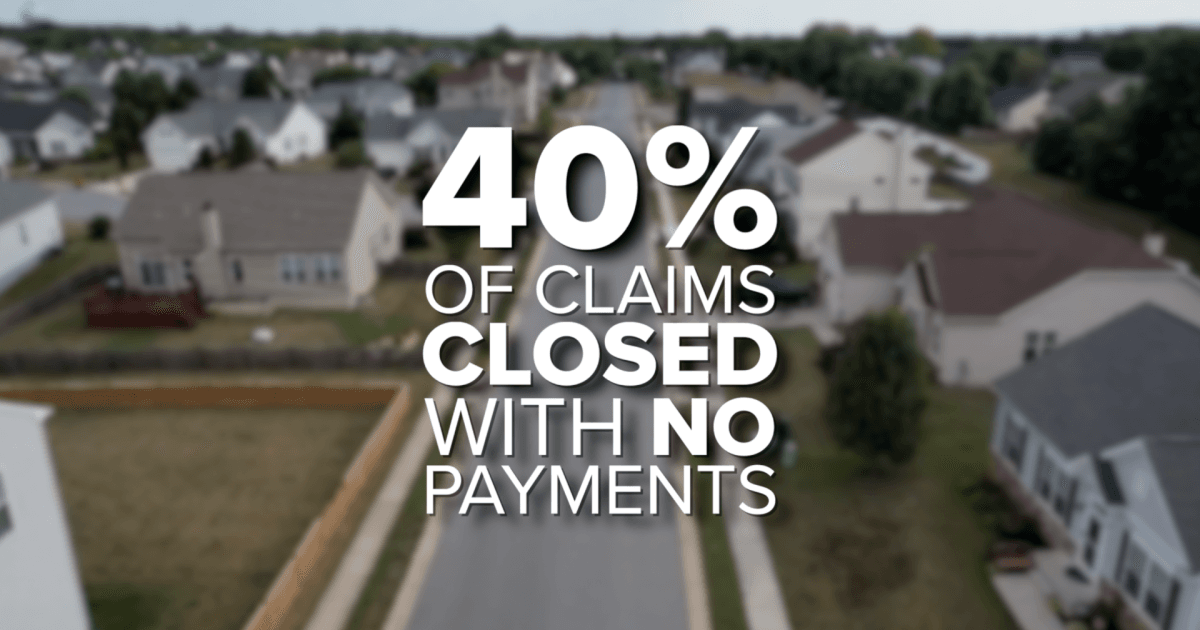
Florida’s average homeowner insurance premium has soared to $5,838 a year—almost $3,000 above the national average—pushing many residents to the financial brink. From tripled premiums to lowball claim payouts, homeowners are speaking out as frustration mounts. Some are even dropping coverage entirely. With more than 40% of claims closed without payment and policy cancellations at record levels, lawmakers are pushing for reforms, but political hurdles remain. The outcome could reshape Florida real estate, insurance, and mortgage markets for years to come.