Five New Florida Laws Now in Effect: Here’s What Every Resident Should Know

Florida skyline with palm trees

Florida rings in the new year with impactful statewide changes shaping healthcare, pets, insurance policies, and government employee benefits. First reported by NBC Miami and Telemundo Digital, these five laws—official as of January 1—are already influencing everyday life across the Sunshine State.

For working professionals—from medical providers and insurance agents to anyone navigating Florida’s evolving licensing requirements—understanding these legislative updates is essential. At Cameron Academy, where thousands train in real estate, insurance, medical fields, and more, these swift shifts highlight how important it is to stay educated and informed.

1. SB 1808 – Faster Refunds for Medical Overpayments

Healthcare professionals now have a strict 30‑day deadline to return any excess payments made by patients. Violations may result in fines up to $500 per incident.

This upgrade boosts transparency and ensures Floridians receive their rightful refunds quickly—benefiting both patients and medical administrators.

2. HB 255 – “Dexter’s Law,” Florida’s Animal Abuse Registry

A brand‑new statewide public database now lists residents charged with animal cruelty. The law was inspired by the tragic case of Dexter, a rescued dog who was inhumanely decapitated after adoption.

This is one of Florida’s strongest protections yet for vulnerable animals, helping shelters and adopters make safe, informed decisions.

3. SB 158 – Eliminating Breast Exam Copays for State Employees

State employees will no longer pay copays for diagnostic or supplemental breast examinations, expanding access to early detection and critical preventive care.

Thousands of Floridians in government roles stand to benefit from this life‑supporting change.

4. HB 655 – New Transparency Rules for Pet Insurance

Pet insurance now comes with increased consumer transparency. Companies must clearly disclose exclusions, pre‑existing condition rules, claim formulas, and exam requirements.

Customers receive a 30‑day review period for refunds, and insurers can no longer require wellness programs to secure coverage.

Importantly, insurance agents must complete specialized pet‑insurance training—an area where Cameron Academy continues to help professionals stay licensed, compliant, and competitive.

5. SB 944 – Faster Overpayment Disputes for Psychologists

Insurance companies now have only 12 months—down from 30 months—to file overpayment claims against psychologists.

This keeps financial disputes timely and supports mental health professionals by reducing long‑term administrative uncertainties.

Want more updates impacting Florida’s licensed professionals?
Explore flexible online courses in real estate, insurance, healthcare, and more at CameronAcademy.com—built for modern professionals who want to stay ahead.

Source: NBC Miami — New Florida Laws Take Effect 2026

More Articles

Getting licensed or staying ahead in your career can be a journey—but it doesn’t have to be overwhelming. Grab your favorite coffee or tea, take a moment to relax, and browse through our articles. Whether you’re just starting out or renewing your expertise, we’ve got tips, insights, and advice to keep you moving forward. Here’s to your success—one sip and one step at a time!

Global Capital Is Reshaping Real Estate for 2026

Investors worldwide are redeploying capital, embracing more active deal structures, and expanding into new regions as the 2026 market takes shape. Data centers, revived office demand, and global diversification are driving a major shift—creating fresh opportunities for real estate, mortgage, and finance professionals who understand where capital is heading next.

Florida’s Home Insurance Crisis Hits Breaking Point as Premiums Soar and Claims Go Unpaid

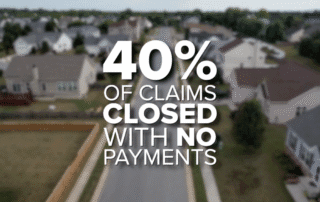
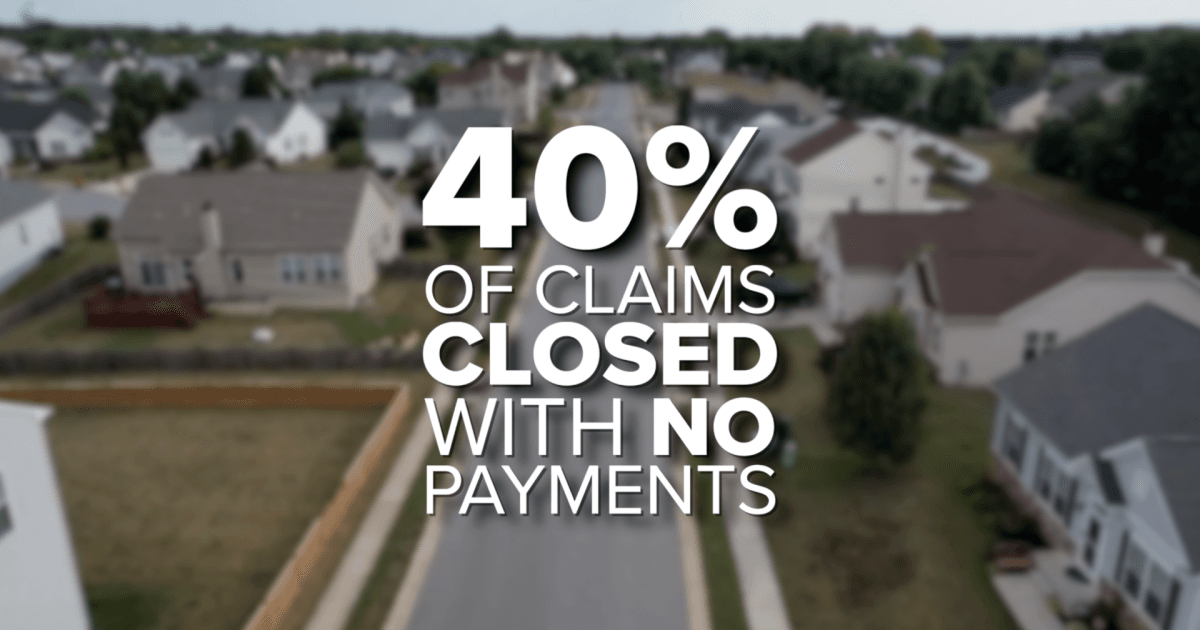
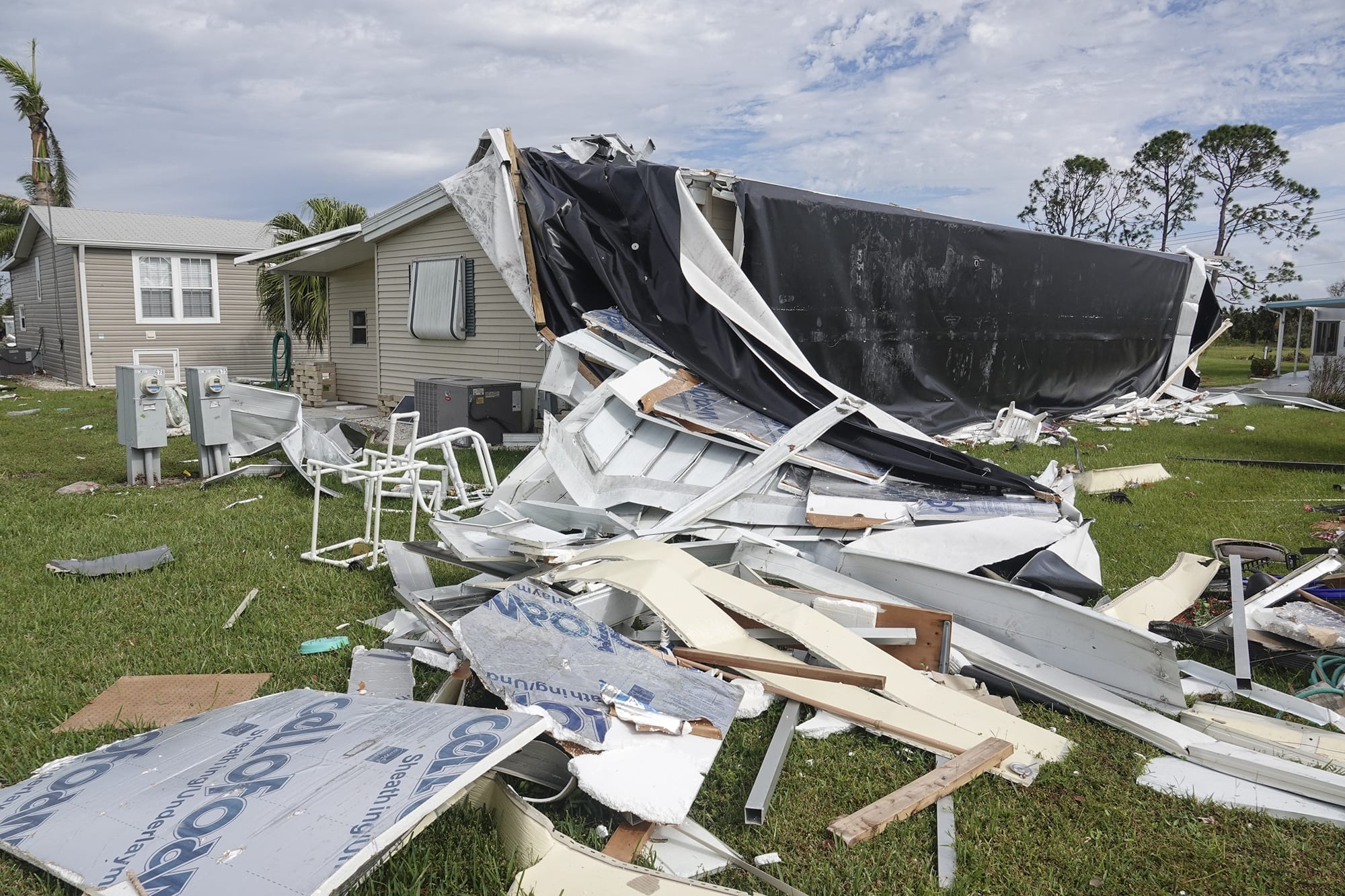
Florida homeowners now pay an average of $5,838 per year for insurance—about $3,000 more than the national average—pushing many families to the financial brink. Residents report premiums tripling, claims being severely underpaid, and insurers dropping policies at one of the highest rates in the country. As frustration mounts, lawmakers and industry experts are calling for sweeping reforms to curb rising costs, increase accountability, and stabilize a market that’s reshaping real estate decisions across the state.

Citizens Insurance Steps Back as Florida’s Private Market Surges

Florida’s insurance market has hit a major turning point. Citizens Property Insurance—once the state’s largest insurer with 1.4 million policies—has shed more than 900,000 policies as private insurers return in force. Driven by Florida’s depopulation program and the arrival of 17 new companies, nearly 200,000 policies shifted to private carriers in October alone, with about 40 percent offering lower premiums. The shift signals rising competition, stabilizing rates, and new opportunities for homeowners and industry professionals navigating Florida’s evolving insurance landscape.

NAR Unveils Biggest MLS Policy Overhaul in 20 Years, Effective 2026

The National Association of REALTORS® has approved 18 major updates to modernize its MLS policies—the largest overhaul in two decades. Announced at NAR NXT in Houston and set to take effect in January 2026, the changes aim to streamline MLS operations, improve enforcement clarity, and better align policies with how today’s real estate professionals actually work.

Inhabit Unveils New AI and Fraud Prevention Tools Transforming Property Management

Inhabit has rolled out a powerful lineup of AI-driven leasing, marketing, fraud prevention, and compliance tools designed to streamline operations and protect property teams from growing risks. From hybrid AI leasing assistants to instant income verification and upcoming portfolio-wide lease audits, these innovations aim to cut costs, eliminate inefficiencies, and strengthen regulatory confidence across the multifamily industry.

Florida’s Insurance System Is Shifting Again—But Are Homeowners Still in the Danger Zone?

Florida’s latest round of insurance reforms was meant to calm a volatile market, yet many experts warn the same deep structural problems remain. Homeowners are being pushed from Citizens into higher‑priced, lightly capitalized private insurers, ratings agencies face scrutiny for inflated grades, and political influence clouds oversight. For real estate and insurance professionals, these trends signal ongoing risk, rising costs, and a market in need of a complete rebuild.