Flood Disclosures Take Center Stage as Massachusetts Faces a Wetter Future
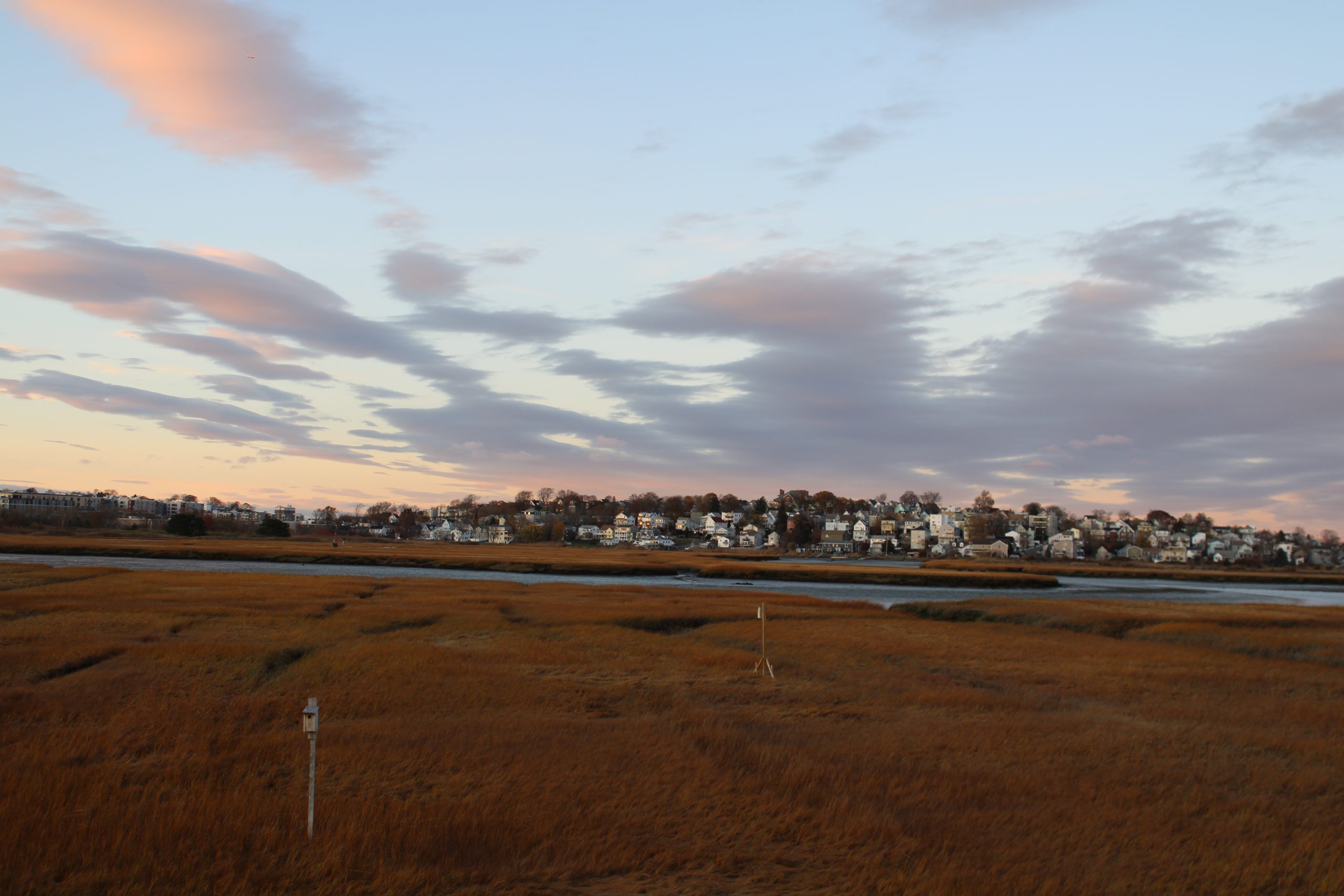
For 35 years, Denise Kress has woken up to the natural beauty of Belle Isle Marsh just beyond her Winthrop backyard. But the marsh, once a peaceful view, has increasingly become an unpredictable force of nature — one capable of swallowing cars, flooding basements, and turning daily life into a never‑ending battle with water.
Kress has endured totaled vehicles, ruined heating systems, and even hotel stays after her basement froze over in 2018. Yet, she remains — comforted by the same marsh that challenges her. Still, she wonders what will happen the day she eventually sells her home.
“I would want the next owner to know,” she says. “People have a right to know.”
A Push for Flood Transparency
As climate conditions worsen, Massachusetts Gov. Maura Healey is pushing a proposal that could reshape property transactions statewide: mandatory flood disclosures. With Massachusetts being one of only 14 states — and just three on the coast — with no disclosure requirements, the goal is simple: ensure buyers understand the risks before signing on the dotted line.
The proposal is part of Healey’s nearly $3 billion environmental bond bill aimed at updating dams, stormwater systems, and coastal defenses. But for real estate professionals, the disclosure requirement is the real game‑changer.
Why Flood Disclosures Matter
Flood histories directly affect insurance rates, property values, and long‑term financial stability. Without disclosures, buyers may unknowingly take on high‑risk properties. Transparency protects consumers while creating a fairer marketplace.
A Divided Real Estate Landscape
Support for the proposal comes from the business community, insurance experts, and municipalities. But one major player remains hesitant: the real estate industry.
The Massachusetts Association of Realtors argues that the rule disrupts the traditional “buyer beware” structure, shifting more responsibility onto sellers. Others believe the focus should be on increasing housing availability before adding major regulatory changes.
Still, economists — including Redfin’s chief economist — say disclosures create a more stable and trustworthy housing market.
Real Lives, Real Consequences
The debate isn’t theoretical. Former Salem homeowner Carole McCauley faced the issue firsthand after a 2011 storm flooded her basement with three feet of water, destroying her sump pumps, water heater, and car. When selling her home later, she did not disclose the flood history.
“I felt like a real jerk,” she admits — an all‑too‑common dilemma when laws don’t require transparency.
A Costly Lesson in a Changing Climate
McCauley says the experience reshaped her understanding of climate change, finances, and personal responsibility. “This isn’t just about science,” she says. “It’s about people’s retirement, their savings… their lives.”
The Road Ahead
Healey’s proposal now enters the legislative arena next year, raising major questions about transparency, safety, and the future of homeownership in a rapidly changing climate.
As one flood expert describes it, avoiding flood disclosure is like playing “a perverse game of musical chairs.” Eventually, someone gets stuck with a home that floods too often to sustain.
What This Means for Real Estate Professionals
Mandatory flood disclosures could reshape Massachusetts’ real estate environment. For anyone pursuing or maintaining their real estate license, understanding these shifts is essential.
At Cameron Academy, we emphasize ethical representation, consumer protection, and staying ahead of industry‑wide changes. For new and seasoned professionals alike, knowledge of flood disclosure laws helps build trust and elevate your practice.
To explore the original reporting behind this story, visit Commonwealth Beacon:
commonwealthbeacon.org
More Articles
Getting licensed or staying ahead in your career can be a journey—but it doesn’t have to be overwhelming. Grab your favorite coffee or tea, take a moment to relax, and browse through our articles. Whether you’re just starting out or renewing your expertise, we’ve got tips, insights, and advice to keep you moving forward. Here’s to your success—one sip and one step at a time!
A new national survey shows that while most real estate agents now use AI for everyday tasks like writing listing descriptions and social posts, many remain uneasy trusting the technology with higher‑stakes responsibilities. Agents report major time savings and better communication thanks to AI, but lingering concerns about accuracy, compliance and data interpretation reveal a growing skills gap. The industry’s next big need: stronger AI tools, clearer standards and hands‑on training — a gap education providers like Cameron Academy are poised to fill.
Florida homeowners and real estate professionals are being crushed by skyrocketing insurance premiums, shrinking coverage, and a claims system stacked against consumers. While residents face the highest insurance costs in the nation, meaningful reform bills are being ignored in Tallahassee, leaving families, businesses, and the entire real estate market exposed.
Artificial intelligence is exposing the real estate industry's biggest weakness: fragmented, inconsistent data scattered across disconnected systems. Unlike finance and e‑commerce, real estate never built a unified digital foundation—and now AI can’t function without one. As companies scramble to standardize information, organizations like OSCRE are pushing shared data models that could transform everything from leasing to property management. The result may be the industry’s most collaborative era yet, where clean, interoperable data becomes the key to unlocking AI’s full power.
Off‑market networks, rising small‑investor buying, regulatory shifts, and intensifying portal competition are reshaping how homes are found and sold. With inventory tight and traditional listings declining, agents who understand investor behavior, private deal flow, and evolving rules are gaining a major edge in today’s fast‑changing housing landscape.
Despite state leaders celebrating stabilization, Florida homeowners continue to face some of the highest insurance premiums in the country. Local experts say rates have stopped skyrocketing but have settled at levels that feel permanently elevated—especially for older or coastal homes. With insurers still avoiding high‑risk areas and demanding costly home upgrades, many Floridians are questioning whether this expensive reality is here to stay.
California is pushing a landmark proposal that would force insurers to offer coverage to homeowners who meet state‑approved wildfire‑mitigation standards. The new SB 1076, known as the Insurance Coverage for Fire‑Safe Homes Act, aims to stabilize the state’s distressed insurance market by guaranteeing coverage for fire‑hardened homes starting in 2028—backed by strict penalties for insurers who refuse. As supporters rally and critics warn of market strain, the bill could reshape real estate, insurance, and lending practices across wildfire‑prone regions.