Flood Disclosures Take Center Stage as Massachusetts Faces a Wetter Future
For 35 years, Denise Kress has woken up to the natural beauty of Belle Isle Marsh just beyond her Winthrop backyard. But the marsh, once a peaceful view, has increasingly become an unpredictable force of nature — one capable of swallowing cars, flooding basements, and turning daily life into a never‑ending battle with water.
Kress has endured totaled vehicles, ruined heating systems, and even hotel stays after her basement froze over in 2018. Yet, she remains — comforted by the same marsh that challenges her. Still, she wonders what will happen the day she eventually sells her home.
“I would want the next owner to know,” she says. “People have a right to know.”
A Push for Flood Transparency
As climate conditions worsen, Massachusetts Gov. Maura Healey is pushing a proposal that could reshape property transactions statewide: mandatory flood disclosures. With Massachusetts being one of only 14 states — and just three on the coast — with no disclosure requirements, the goal is simple: ensure buyers understand the risks before signing on the dotted line.
The proposal is part of Healey’s nearly $3 billion environmental bond bill aimed at updating dams, stormwater systems, and coastal defenses. But for real estate professionals, the disclosure requirement is the real game‑changer.
Why Flood Disclosures Matter
Flood histories directly affect insurance rates, property values, and long‑term financial stability. Without disclosures, buyers may unknowingly take on high‑risk properties. Transparency protects consumers while creating a fairer marketplace.
A Divided Real Estate Landscape
Support for the proposal comes from the business community, insurance experts, and municipalities. But one major player remains hesitant: the real estate industry.
The Massachusetts Association of Realtors argues that the rule disrupts the traditional “buyer beware” structure, shifting more responsibility onto sellers. Others believe the focus should be on increasing housing availability before adding major regulatory changes.
Still, economists — including Redfin’s chief economist — say disclosures create a more stable and trustworthy housing market.
Real Lives, Real Consequences
The debate isn’t theoretical. Former Salem homeowner Carole McCauley faced the issue firsthand after a 2011 storm flooded her basement with three feet of water, destroying her sump pumps, water heater, and car. When selling her home later, she did not disclose the flood history.
“I felt like a real jerk,” she admits — an all‑too‑common dilemma when laws don’t require transparency.
A Costly Lesson in a Changing Climate
McCauley says the experience reshaped her understanding of climate change, finances, and personal responsibility. “This isn’t just about science,” she says. “It’s about people’s retirement, their savings… their lives.”
The Road Ahead
Healey’s proposal now enters the legislative arena next year, raising major questions about transparency, safety, and the future of homeownership in a rapidly changing climate.
As one flood expert describes it, avoiding flood disclosure is like playing “a perverse game of musical chairs.” Eventually, someone gets stuck with a home that floods too often to sustain.
What This Means for Real Estate Professionals
Mandatory flood disclosures could reshape Massachusetts’ real estate environment. For anyone pursuing or maintaining their real estate license, understanding these shifts is essential.
At Cameron Academy, we emphasize ethical representation, consumer protection, and staying ahead of industry‑wide changes. For new and seasoned professionals alike, knowledge of flood disclosure laws helps build trust and elevate your practice.
To explore the original reporting behind this story, visit Commonwealth Beacon:
commonwealthbeacon.org
More Articles
Getting licensed or staying ahead in your career can be a journey—but it doesn’t have to be overwhelming. Grab your favorite coffee or tea, take a moment to relax, and browse through our articles. Whether you’re just starting out or renewing your expertise, we’ve got tips, insights, and advice to keep you moving forward. Here’s to your success—one sip and one step at a time!
A growing share of American homeowners now carry mortgage rates above 5%—a dramatic shift that’s reshaping refinancing, inventory, and buyer behavior nationwide. With more than 30% of borrowers locked into rates over 5% and 20% above 6%, the market is split between owners holding on to low pandemic‑era loans and new buyers taking on higher‑rate mortgages. Federal efforts to push rates down could unlock millions of refinancing opportunities, while buyers see only modest monthly savings. For real estate professionals, understanding these rate dynamics is crucial as they increasingly drive inventory levels, affordability, and market activity.
New Moody’s data shows commercial real estate deal volume slipped 20% in December, marking a second monthly decline. Yet the full year tells a different story: 2025 ended with a 17% gain, signaling a quiet but resilient recovery. The biggest surprise came from the office sector, which posted a 21% jump in activity as return‑to‑office trends and AI‑driven job growth boosted demand. Multifamily, retail, and alternative assets like data centers also saw strong momentum, giving real estate professionals a market full of fresh opportunities heading into 2026.
Florida drivers and industry professionals are heading into 2026 with good news: auto insurance rates are dropping across the state as the market shows strong signs of stabilization. USAA leads the latest wave with a 7% average rate decrease expected in May 2026, saving members more than $125 million annually. They join several major insurers — including State Farm, Progressive, AAA, Allstate, and Florida Farm Bureau — all approving significant reductions. Officials credit recent legislative reforms, especially tort reform, for the improved loss ratios and renewed insurer confidence. With both auto and home insurance markets strengthening, Florida’s real estate, mortgage, and insurance professionals can expect more consumer confidence, smoother transactions, and expanding career opportunities.
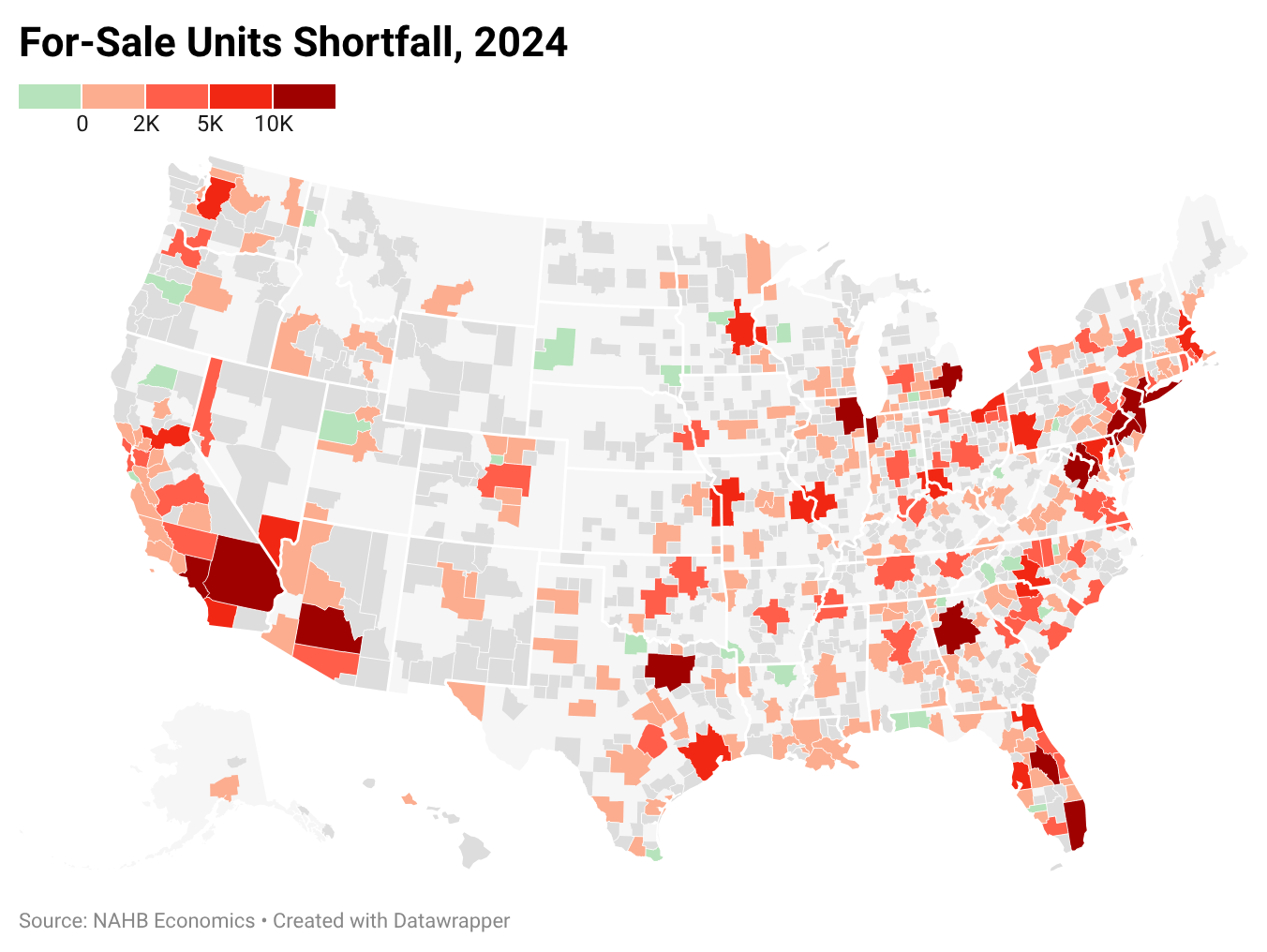
New data from Eye On Housing and the NAHB shows the U.S. remains short more than 1.2 million housing units, keeping pressure on both rents and home prices. Record‑low vacancy rates, slow single‑family construction, and restrictive zoning continue to fuel intense competition in 2024. Major metros like Chicago, New York, and Atlanta face some of the deepest deficits, and the true nationwide shortfall may be even higher when accounting for overcrowding and aging homes. For real estate professionals, the ongoing shortage means sustained demand, tighter inventory, and major opportunities for those who understand the evolving market.
Top real estate coach Jason Pantana says the divide between agents today isn’t about who has “tried” AI — it’s about who is immersed in it. In a new HousingWire interview, he explains why AI isn’t a gimmick but a full business system that amplifies output, improves authenticity, and reshapes how clients search for agents. From prompt mastery to AI‑driven visibility on Google, Pantana reveals how agents who commit even 15 minutes a day to learning AI are already outperforming those who hesitate.
Dallas–Fort Worth’s commercial real estate market closed 2025 with a split personality. Industrial dominated with massive new deliveries and soaring leasing demand, retail held steady with some of the market’s strongest fundamentals in years, and office continued to falter under remote‑work pressures. High vacancies, weak absorption, and rising demand for top‑tier space show the sector’s ongoing reset. Meanwhile, industrial and retail strength position the Metroplex for another powerhouse year heading into 2026.