Flood Disclosures Take Center Stage as Massachusetts Faces a Wetter Future
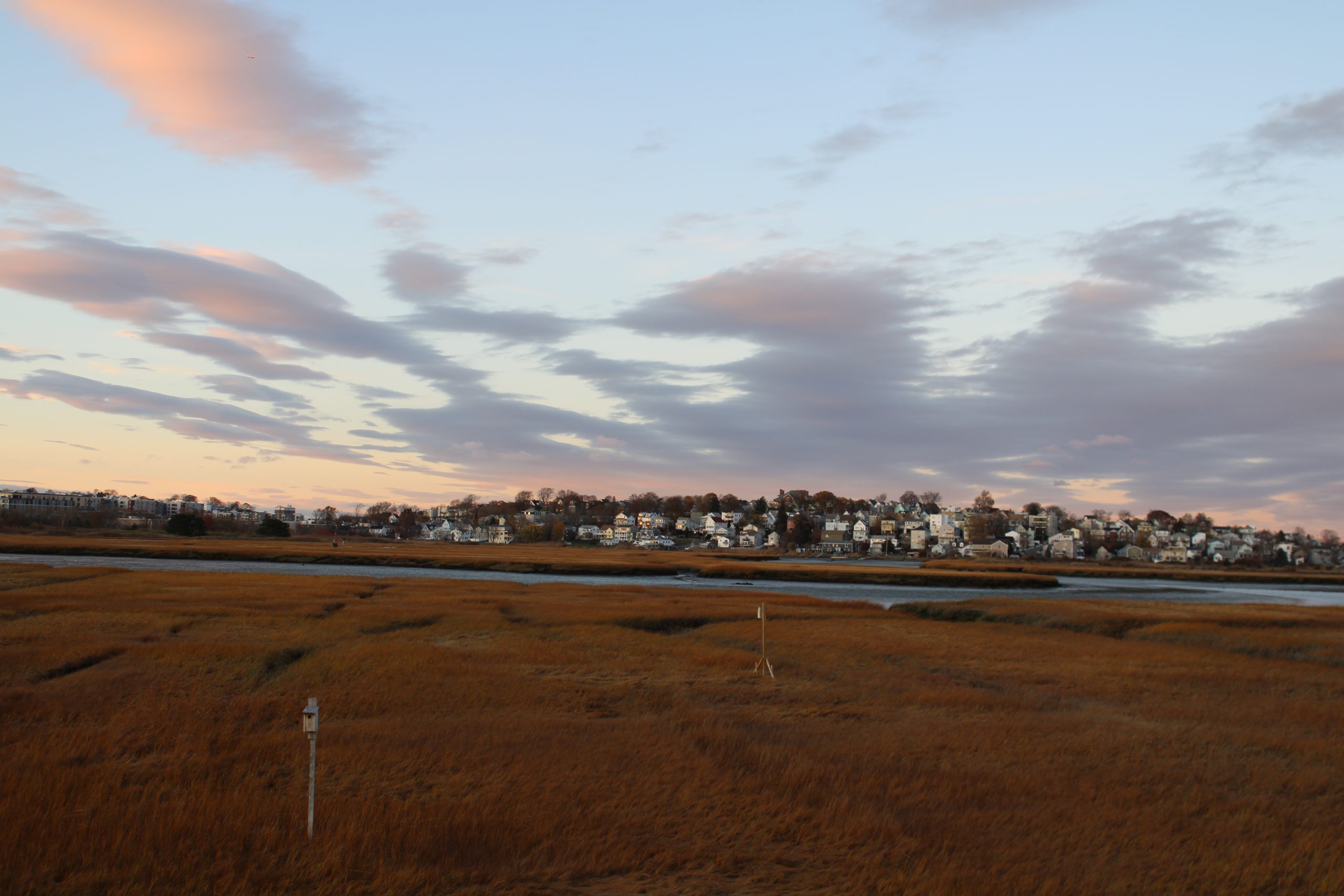
For 35 years, Denise Kress has woken up to the natural beauty of Belle Isle Marsh just beyond her Winthrop backyard. But the marsh, once a peaceful view, has increasingly become an unpredictable force of nature — one capable of swallowing cars, flooding basements, and turning daily life into a never‑ending battle with water.
Kress has endured totaled vehicles, ruined heating systems, and even hotel stays after her basement froze over in 2018. Yet, she remains — comforted by the same marsh that challenges her. Still, she wonders what will happen the day she eventually sells her home.
“I would want the next owner to know,” she says. “People have a right to know.”
A Push for Flood Transparency
As climate conditions worsen, Massachusetts Gov. Maura Healey is pushing a proposal that could reshape property transactions statewide: mandatory flood disclosures. With Massachusetts being one of only 14 states — and just three on the coast — with no disclosure requirements, the goal is simple: ensure buyers understand the risks before signing on the dotted line.
The proposal is part of Healey’s nearly $3 billion environmental bond bill aimed at updating dams, stormwater systems, and coastal defenses. But for real estate professionals, the disclosure requirement is the real game‑changer.
Why Flood Disclosures Matter
Flood histories directly affect insurance rates, property values, and long‑term financial stability. Without disclosures, buyers may unknowingly take on high‑risk properties. Transparency protects consumers while creating a fairer marketplace.
A Divided Real Estate Landscape
Support for the proposal comes from the business community, insurance experts, and municipalities. But one major player remains hesitant: the real estate industry.
The Massachusetts Association of Realtors argues that the rule disrupts the traditional “buyer beware” structure, shifting more responsibility onto sellers. Others believe the focus should be on increasing housing availability before adding major regulatory changes.
Still, economists — including Redfin’s chief economist — say disclosures create a more stable and trustworthy housing market.
Real Lives, Real Consequences
The debate isn’t theoretical. Former Salem homeowner Carole McCauley faced the issue firsthand after a 2011 storm flooded her basement with three feet of water, destroying her sump pumps, water heater, and car. When selling her home later, she did not disclose the flood history.
“I felt like a real jerk,” she admits — an all‑too‑common dilemma when laws don’t require transparency.
A Costly Lesson in a Changing Climate
McCauley says the experience reshaped her understanding of climate change, finances, and personal responsibility. “This isn’t just about science,” she says. “It’s about people’s retirement, their savings… their lives.”
The Road Ahead
Healey’s proposal now enters the legislative arena next year, raising major questions about transparency, safety, and the future of homeownership in a rapidly changing climate.
As one flood expert describes it, avoiding flood disclosure is like playing “a perverse game of musical chairs.” Eventually, someone gets stuck with a home that floods too often to sustain.
What This Means for Real Estate Professionals
Mandatory flood disclosures could reshape Massachusetts’ real estate environment. For anyone pursuing or maintaining their real estate license, understanding these shifts is essential.
At Cameron Academy, we emphasize ethical representation, consumer protection, and staying ahead of industry‑wide changes. For new and seasoned professionals alike, knowledge of flood disclosure laws helps build trust and elevate your practice.
To explore the original reporting behind this story, visit Commonwealth Beacon:
commonwealthbeacon.org
More Articles
Getting licensed or staying ahead in your career can be a journey—but it doesn’t have to be overwhelming. Grab your favorite coffee or tea, take a moment to relax, and browse through our articles. Whether you’re just starting out or renewing your expertise, we’ve got tips, insights, and advice to keep you moving forward. Here’s to your success—one sip and one step at a time!
In the rapidly evolving world of technology, one question often surfaces: Will AI replace real estate agents? Our comprehensive exploration into this topic reveals the intricate interplay between technology and the real estate industry, and how this relationship is shaping the future of property transactions. While some view the rise of AI with apprehension, others see it as a tool for enhancement. Take Cameron Academy, for instance. They've seamlessly integrated AI into their educational platform, offering an AI tutor to assist students. It's an intriguing paradox. On one hand, we have concerns about AI replacing jobs, and on the other, we witness how AI can enrich our learning experiences.
Are you planning to buy a house? Understanding your financial capacity and determining whether you can afford the monthly payments is crucial. This guide explores the various factors that come into play when determining the affordability of a $200,000 house. We break down the key elements that contribute to overall affordability, from income to down payment and mortgage interest rates. By the end of this article, you will have a clear understanding of what it takes to make your dream of homeownership a reality. Discover the benefits of having a real estate license and mortgage license with Cameron Academy's comprehensive courses. Ready to take the next step? Explore our online career education courses and unlock your potential today. Sign up for our real estate license or mortgage license course now!
Considering a career as a real estate agent in Florida? Let's break down the costs involved. The first step is completing the state-required pre-license courses, which can range from $100 to $500. Once you've completed your education, you'll need to submit an application to the Florida Department of Business and Professional Regulation (DBPR) with an $83.75 fee. The state exam fee is $36.75 per attempt. All applicants must undergo a fingerprinting check, which ranges from $50 to $80. Other costs include brokerage desk fees, REALTOR® dues, marketing materials, and living expenses during the initial months of building your client base. Despite the upfront costs, the potential rewards make it a worthwhile investment. Ready to start? Enroll in Cameron Academy's Florida pre-licensing course today!
Welcome to our comprehensive guide on real estate farming. This marketing strategy targets a specific neighborhood or area, establishing you as a local expert. One of the most effective ways to engage with potential clients is through handwritten notes, creating a lasting impression and helping you stand out in a competitive market. Handwritten cards build trust, foster relationships, and increase your chances of converting leads into clients. By incorporating these personalized techniques, you can differentiate yourself from the competition and increase your chances of success. Ready to take your real estate farming to the next level? Visit Cameron Academy to learn more about our real estate farming course.
The current state of the U.S. housing market is characterized by high prices and a lack of inventory. However, recent developments in the short-term rental industry, particularly with Airbnb, have sparked discussions about the potential impact on the broader housing market. This article explores the connection between Airbnb's decline and the housing market, analyzing the implications and providing a balanced perspective on the situation. Short-term rentals, such as Airbnb, have played a significant role in the housing market, affecting housing prices and inventory. These platforms have provided homeowners with the opportunity to monetize their properties by renting them out for short periods. This has resulted in increased competition for available housing and, in some cases, contributed to rising home prices.
Starting a career in real estate can be an exciting and rewarding journey. Whether you are just entering the field or looking to strengthen your existing career, there are valuable tips and insights that can help you navigate the competitive landscape of the real estate industry. The real estate industry is a dynamic and ever-evolving field, with countless opportunities for those willing to put in the effort. With dedication and a strategic approach, you can carve out your own niche and thrive in this competitive market. Don't let the challenges and competition intimidate you. With the right mindset, dedication, and a commitment to continuous learning, you can thrive in the world of real estate. Embrace the journey, leverage your strengths, and build meaningful relationships with clients and industry experts. Start your real estate career or take it to the next level today.