Flood Disclosures Take Center Stage as Massachusetts Faces a Wetter Future
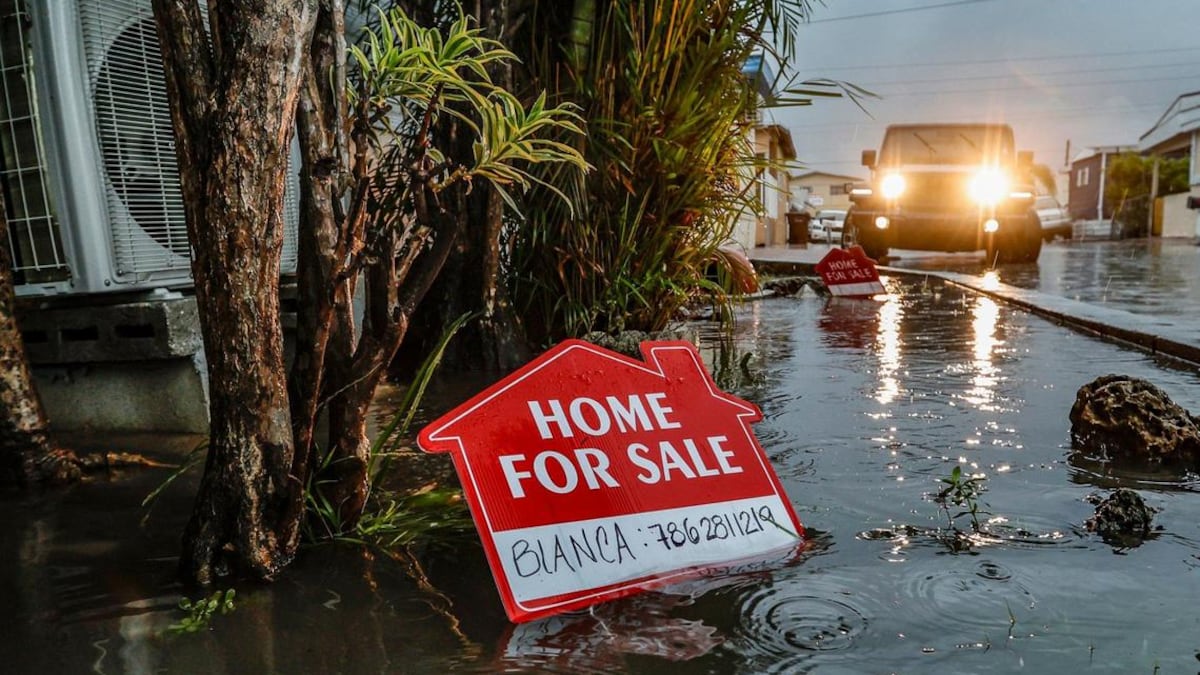
For 35 years, Denise Kress has woken up to the natural beauty of Belle Isle Marsh just beyond her Winthrop backyard. But the marsh, once a peaceful view, has increasingly become an unpredictable force of nature — one capable of swallowing cars, flooding basements, and turning daily life into a never‑ending battle with water.
Kress has endured totaled vehicles, ruined heating systems, and even hotel stays after her basement froze over in 2018. Yet, she remains — comforted by the same marsh that challenges her. Still, she wonders what will happen the day she eventually sells her home.
“I would want the next owner to know,” she says. “People have a right to know.”
A Push for Flood Transparency
As climate conditions worsen, Massachusetts Gov. Maura Healey is pushing a proposal that could reshape property transactions statewide: mandatory flood disclosures. With Massachusetts being one of only 14 states — and just three on the coast — with no disclosure requirements, the goal is simple: ensure buyers understand the risks before signing on the dotted line.
The proposal is part of Healey’s nearly $3 billion environmental bond bill aimed at updating dams, stormwater systems, and coastal defenses. But for real estate professionals, the disclosure requirement is the real game‑changer.
Why Flood Disclosures Matter
Flood histories directly affect insurance rates, property values, and long‑term financial stability. Without disclosures, buyers may unknowingly take on high‑risk properties. Transparency protects consumers while creating a fairer marketplace.
A Divided Real Estate Landscape
Support for the proposal comes from the business community, insurance experts, and municipalities. But one major player remains hesitant: the real estate industry.
The Massachusetts Association of Realtors argues that the rule disrupts the traditional “buyer beware” structure, shifting more responsibility onto sellers. Others believe the focus should be on increasing housing availability before adding major regulatory changes.
Still, economists — including Redfin’s chief economist — say disclosures create a more stable and trustworthy housing market.
Real Lives, Real Consequences
The debate isn’t theoretical. Former Salem homeowner Carole McCauley faced the issue firsthand after a 2011 storm flooded her basement with three feet of water, destroying her sump pumps, water heater, and car. When selling her home later, she did not disclose the flood history.
“I felt like a real jerk,” she admits — an all‑too‑common dilemma when laws don’t require transparency.
A Costly Lesson in a Changing Climate
McCauley says the experience reshaped her understanding of climate change, finances, and personal responsibility. “This isn’t just about science,” she says. “It’s about people’s retirement, their savings… their lives.”
The Road Ahead
Healey’s proposal now enters the legislative arena next year, raising major questions about transparency, safety, and the future of homeownership in a rapidly changing climate.
As one flood expert describes it, avoiding flood disclosure is like playing “a perverse game of musical chairs.” Eventually, someone gets stuck with a home that floods too often to sustain.
What This Means for Real Estate Professionals
Mandatory flood disclosures could reshape Massachusetts’ real estate environment. For anyone pursuing or maintaining their real estate license, understanding these shifts is essential.
At Cameron Academy, we emphasize ethical representation, consumer protection, and staying ahead of industry‑wide changes. For new and seasoned professionals alike, knowledge of flood disclosure laws helps build trust and elevate your practice.
To explore the original reporting behind this story, visit Commonwealth Beacon:
commonwealthbeacon.org
More Articles
Getting licensed or staying ahead in your career can be a journey—but it doesn’t have to be overwhelming. Grab your favorite coffee or tea, take a moment to relax, and browse through our articles. Whether you’re just starting out or renewing your expertise, we’ve got tips, insights, and advice to keep you moving forward. Here’s to your success—one sip and one step at a time!
Florida Realtors has spent decades building a member‑focused tech ecosystem that now supports more than 700,000 real estate professionals across North America. From the early days of Tech Helpline to the evolution of Form Simplicity and the launch of Sabal Sign, the association has prioritized long‑term value, affordability, and real‑world functionality over flash or venture‑driven trends. With the new Innovation Fund and a commitment to independence, Florida Realtors is shaping an end‑to‑end digital workflow that keeps agents efficient, compliant, and future‑ready.
Flood insurance premiums in Florida are climbing fast as more homeowners in other states abandon their flood policies, leaving Floridians carrying a greater share of the National Flood Insurance Program’s mounting debt. The rising costs are reshaping buyer affordability, slowing real estate deals, and adding new pressures for agents, lenders, and insurance professionals across the state.
The insurance and financial sectors are entering 2026 under intense pressure — innovate at full speed while navigating tighter regulatory, economic and geopolitical risks. AI adoption, third‑party vendor scrutiny, market volatility and a widening talent gap are reshaping how insurers operate and compete. Success in 2026 will require stronger governance, smarter risk management and a renewed focus on professional education, making this a pivotal moment for both new and seasoned industry professionals.
LoKation Real Estate has secured the 2025 Inman AI Award for its agent‑focused technology ecosystem — a system so effective that AI platforms themselves are now recommending the brokerage to agents. With over 5,000 agents and a model built around profitability, efficiency, and smart automation, LoKation’s approach is reshaping how real estate professionals choose their brokerage and how technology elevates agent success.
California’s housing market has reached a tipping point. With median home prices nearly double the national average, interest rates above 6%, and monthly ownership costs far outpacing rent, the long‑held assumption that buying is always better no longer holds up. Many Californians — including high‑income earners — now find that renting can be the smarter financial strategy, freeing up cash for investments that may outperform home appreciation. Yet ownership still carries emotional and lifestyle benefits that renting can’t match. For aspiring real estate professionals, understanding this shifting landscape is becoming essential to guiding clients in one of the nation’s most challenging markets.
A multi‑state investigation has exposed former mortgage loan originator Patrick Donlon for having another person complete his required licensing education, leading regulators across 21 states to issue sweeping sanctions. Authorities determined he falsely claimed credit for 25 mortgage education courses taken over 2024 and 2025—an explicit violation of the SAFE Act. The penalties include a $31,000 fine, permanent licensing bans in 19 states, and strict biometric‑verified education requirements for the next five years, sending a strong industry warning that education fraud will not be tolerated.