Florida Approves 6.9% Workers’ Compensation Rate Cut for 2026

Construction workers on indoor scaffolding

Florida employers are getting another break on business expenses: the state has approved a 6.9% reduction in workers’ compensation insurance rates for 2026, marking the ninth consecutive year that rates have gone down.

Insurance Commissioner Mike Yaworsky officially signed off on the rate cut, which was proposed by the National Council on Compensation Insurance (NCCI). The decrease applies to all new and renewal workers’ comp policies beginning January 1, 2026.

Yaworsky noted the trend reflects Florida’s improvements in managing workplace risks and stabilizing insurance costs. “This rate decrease directly translates to reduced operating costs for businesses, encouraging investment and growth throughout Florida’s economy,” he said.

Why this matters for Florida professionals

• Lower operating costs for brokers, agencies, and real estate firms with payroll-based policies.

• Encourages hiring and expansion across construction, housing, and property management sectors.

• Extends a multi-year trend of easing statewide business expenses.

Dig deeper: official documents & hearings

• Watch the Florida OIR rate hearing recording: View the recorded session

• Review NCCI’s complete filing on the OIR website: Access filing details

• Read the original report from Islander News: Full article

With another rate reduction locked in, Florida businesses—from contractors to real estate brokerages—can expect additional breathing room in 2026 as statewide operational costs continue trending downward.

More Articles

Getting licensed or staying ahead in your career can be a journey—but it doesn’t have to be overwhelming. Grab your favorite coffee or tea, take a moment to relax, and browse through our articles. Whether you’re just starting out or renewing your expertise, we’ve got tips, insights, and advice to keep you moving forward. Here’s to your success—one sip and one step at a time!

The Impact of Remote Work on Real Estate Investment in India

Remote work is dramatically reshaping real estate trends in India. By understanding and adapting to these shifts, investors can make savvy decisions, aligning their strategies with this evolving landscape and capitalizing on the burgeoning opportunities that remote working presents.

By |November 23, 2024|Categories: Article, Real Estate, Remote Work|Tags: , |0 Comments

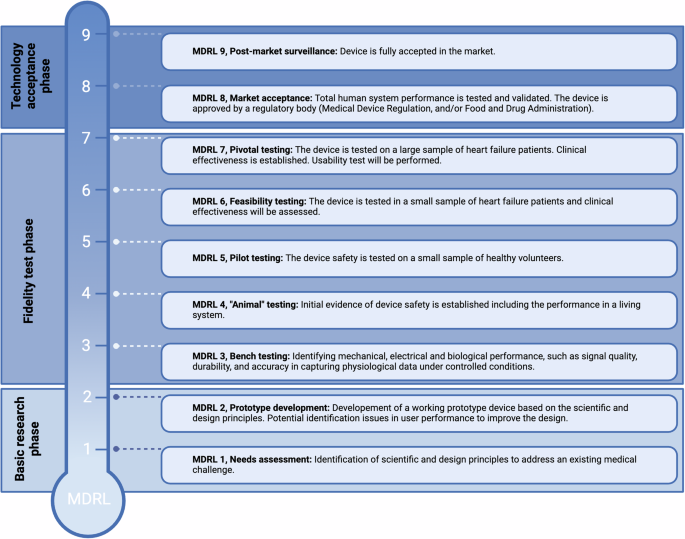
Wearable Tech: A New Frontier in Heart Failure Management

Wearable technologies are emerging as a beacon of hope for heart failure (HF) management, promising a future where patient care is not just reactive but proactive. As reported in a recent Nature article, these devices are poised to transform how we monitor and manage HF patients.

Transformative Potential of EV Infrastructure: A Collaborative Approach

In a landmark event in April 2024, the State and Local Electric Vehicle Workforce Collaborative convened in Washington, D.C., highlighting the transformative potential of federal investments in electric vehicle infrastructure, particularly in underserved communities.

Parametric Insurance: A New Frontier in Climate Risk Management

Risk managers are increasingly using parametric insurance to strengthen traditional programs and to better match capital to risk from natural disasters.

National Association of REALTORS® 2024 Survey Highlights Green Revolution in Real Estate

This "green revolution" is marked by the integration of green data fields in the Multiple Listing Service (MLS), which now features prominently in 40% of listings. This shift enhances awareness among potential buyers about eco-friendly home features, promoting healthier living environments.

By |November 22, 2024|Categories: Article, Real Estate, Sustainability|Tags: , |0 Comments

AI’s Transformative Role in Healthcare: A New Era

In the ever-evolving landscape of healthcare, Artificial Intelligence (AI) is emerging as more than just a tool—it's a transformative force reshaping the industry. Visionaries like Vinod Khosla have long predicted AI's potential to revolutionize healthcare, and that potential is now being realized.