Florida City Cracks Down on Driveway Parking, Leaving Residents Shocked by New Fines
It is official. Boynton Beach, Florida has enacted a new parking regulation that is leaving residents stunned, frustrated, and in many cases fined for parking their own vehicles on their own property. What seems like a misunderstanding is very real, and the penalties are already landing on windshields across the city.
Many locals have expressed confusion and anger with the sudden enforcement, with some saying they are simply out of options for where to place their vehicles. As one resident bluntly put it, We are screwed.
This story was originally reported by Blanqui Violetas. You can read the source article here:
Parking on Your Own Property Can Now Result in a Fine
A newly adopted municipal ordinance prohibits Boynton Beach residents from parking on grass or on any surface that is not an official driveway. That includes areas inside the property line. In other words, ownership does not equal permission anymore.
For families juggling multiple cars or tight driveway space, this shift is more than inconvenient. Many have parked the same way for years without issue, only to find surprise tickets under their wipers.
How Much Are the Fines?
The fine is approximately 25 dollars per improperly parked vehicle. If unpaid, the amount increases to 32 dollars. For households with several cars, these citations stack fast, creating unexpected financial strain.
Why Are Residents Upset?
The frustration goes beyond parking frustration. Many American households include multiple working adults, making numerous vehicles common. Not every home was built with large driveways, and now some residents are considering tearing up gardens or paying for expensive construction just to comply.
What Does the City Say?
City officials argue the ordinance was introduced to improve neighborhood appearance, protect drainage systems, and prevent pedestrian hazards. They insist it is not a revenue-grab, though many residents remain unconvinced.
Some locals, like resident Cristina Super, have labeled the policy abusive and unnecessary.
Are There Any Exceptions?
Visitors may park for up to 12 hours within a 24-hour period. Unfortunately, this does little to help full-time residents who face ongoing parking challenges.
A Growing Debate Over Private Property Rights
This new rule has sparked a broader debate over how far city governments should go in regulating private property. While some appreciate the cleaner aesthetic, many believe the policy crosses a line and ignores daily realities.
More cities nationwide are tightening rules in an effort to reshape neighborhoods, and the challenge remains finding the balance between design and personal freedom.
Why This Matters for Real Estate Students and Professionals
Local ordinances like this directly affect property value, homeowner satisfaction, and the conversations real estate agents must have with buyers. This makes the topic especially important for anyone entering the industry.
At Cameron Academy, we prioritize real world understanding in every licensing program. Our students do more than pass exams … they learn how to navigate actual laws, ordinances, and the day-to-day reality of supporting homeowners and investors across Florida.
Getting licensed or staying ahead in your career can be a journey—but it doesn’t have to be overwhelming. Grab your favorite coffee or tea, take a moment to relax, and browse through our articles. Whether you’re just starting out or renewing your expertise, we’ve got tips, insights, and advice to keep you moving forward. Here’s to your success—one sip and one step at a time!
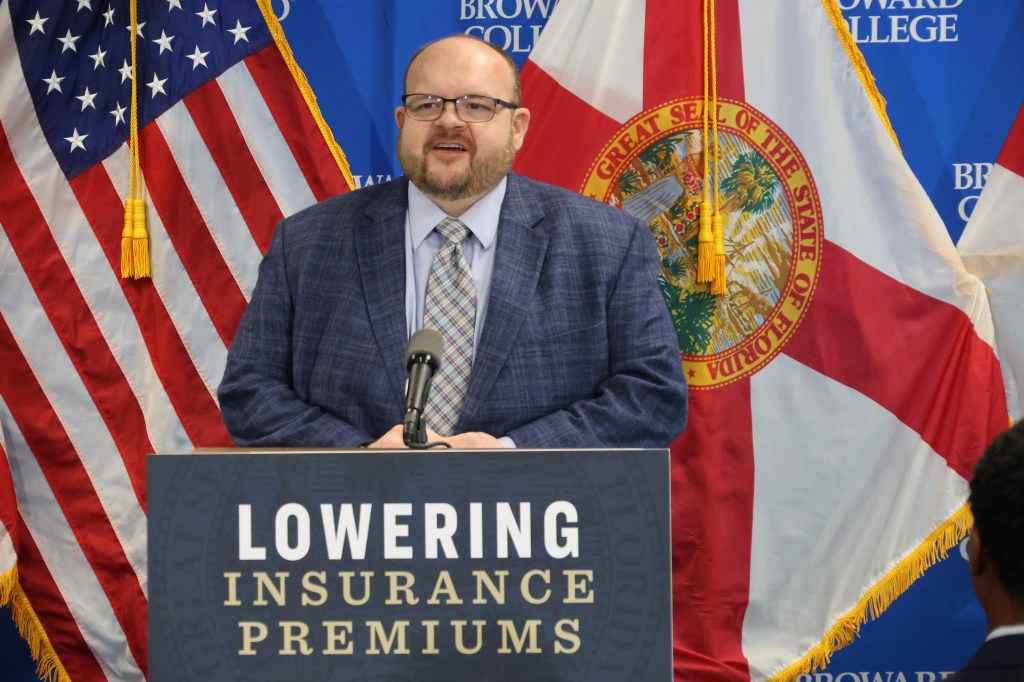
Florida’s property insurance market is finally showing signs of recovery after years of soaring premiums, litigation chaos, and insurer withdrawals. With rate increases now the lowest in the nation, Citizens Insurance shrinking, and new carriers re‑entering the state, Insurance Commissioner Michael Yaworsky says the market is turning a corner. But while stabilization is underway, many homeowners are still asking why premiums haven’t dropped—and the answer lies in skyrocketing replacement costs, not rates. As reforms continue and AI, transparency rules, and mitigation incentives expand, real estate and insurance professionals should prepare for an evolving landscape that directly impacts affordability, buyer behavior, and long‑term market confidence.
In a candid conversation with Mortgage Professional America, NAMB president Kimber White lays out a series of structural reforms aimed at restoring homeownership access for millions of Americans. From revitalizing down payment assistance to rethinking loan-level price adjustments and incentivizing builders, White argues that meaningful affordability relief is achievable—but only through coordinated policy changes that address both costs and inventory shortages.
Artificial intelligence is rapidly transforming the insurance world, but a major power struggle is unfolding over who gets to regulate it. As insurers adopt AI at record speed, state regulators and the federal government are clashing over oversight authority—especially after a new executive order aims to put Washington in charge. With states pushing back and new evaluation tools on the horizon, the future of AI in insurance is becoming one of the biggest regulatory battles professionals need to watch.
A new CBRE Investor Intentions Survey shows that 2026 is shaping up to be a strong year for commercial real estate, with 95 percent of investors planning to buy more assets and over half increasing their capital allocation. Stabilizing pricing, improving market fundamentals, and expectations of cooling debt costs are driving renewed optimism as investors target high‑growth markets like Dallas, Atlanta, Tampa, and Charlotte, while doubling down on multifamily, industrial, and value‑add strategies.
Lofty has introduced Lofty AOS, the first agentic AI operating system built to autonomously manage real estate workflows—from lead engagement to marketing, transactions, and website creation. Unlike traditional AI that waits for prompts, Lofty’s system operates like a full digital workforce, coordinating tasks across specialized AI agents. As this technology transforms daily operations for agents and brokerages, professionals with strong training and licensing will become even more essential.
The Federal Reserve has started 2026 by keeping interest rates unchanged, despite political pressure, stubborn inflation, and a cooling job market. While consumers don’t pay the federal funds rate directly, its effects ripple through mortgages, credit cards, auto loans, and savings accounts. Mortgage affordability remains tight, credit card APRs are easing slowly, auto loan balances are climbing, and savings yields are one of the few bright spots. For real estate, mortgage, and finance professionals, understanding these shifts is essential as the market braces for another complex year.