Florida City Cracks Down on Driveway Parking, Leaving Residents Shocked by New Fines
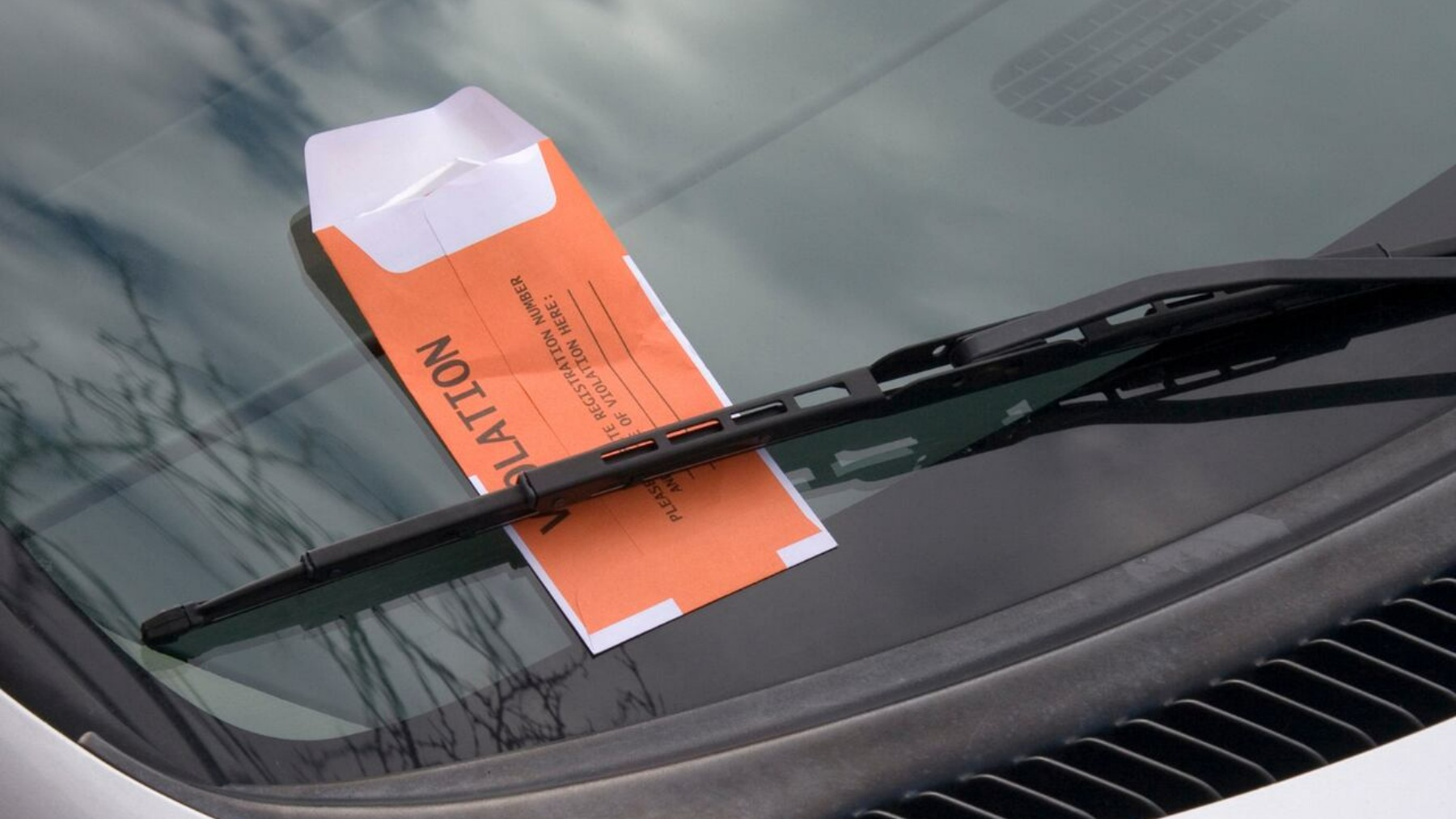
It is official. Boynton Beach, Florida has enacted a new parking regulation that is leaving residents stunned, frustrated, and in many cases fined for parking their own vehicles on their own property. What seems like a misunderstanding is very real, and the penalties are already landing on windshields across the city.
Many locals have expressed confusion and anger with the sudden enforcement, with some saying they are simply out of options for where to place their vehicles. As one resident bluntly put it, We are screwed.
This story was originally reported by Blanqui Violetas. You can read the source article here:
Parking on Your Own Property Can Now Result in a Fine
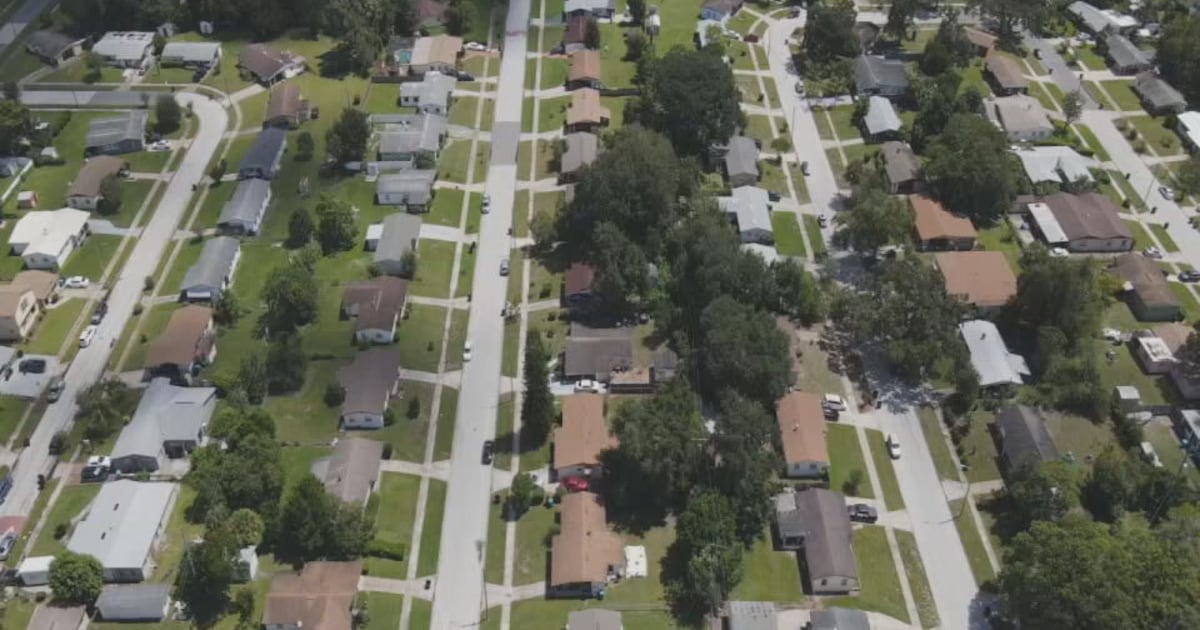
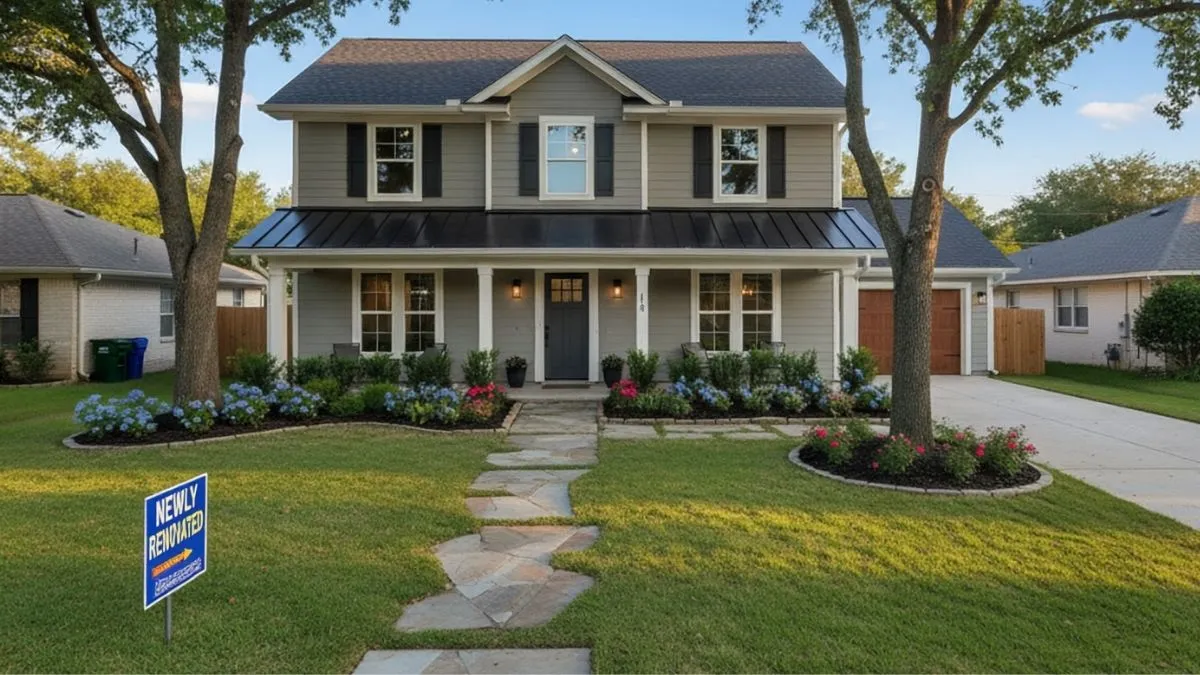
A newly adopted municipal ordinance prohibits Boynton Beach residents from parking on grass or on any surface that is not an official driveway. That includes areas inside the property line. In other words, ownership does not equal permission anymore.
For families juggling multiple cars or tight driveway space, this shift is more than inconvenient. Many have parked the same way for years without issue, only to find surprise tickets under their wipers.
How Much Are the Fines?
The fine is approximately 25 dollars per improperly parked vehicle. If unpaid, the amount increases to 32 dollars. For households with several cars, these citations stack fast, creating unexpected financial strain.
Why Are Residents Upset?
The frustration goes beyond parking frustration. Many American households include multiple working adults, making numerous vehicles common. Not every home was built with large driveways, and now some residents are considering tearing up gardens or paying for expensive construction just to comply.
What Does the City Say?
City officials argue the ordinance was introduced to improve neighborhood appearance, protect drainage systems, and prevent pedestrian hazards. They insist it is not a revenue-grab, though many residents remain unconvinced.
Some locals, like resident Cristina Super, have labeled the policy abusive and unnecessary.
Are There Any Exceptions?
Visitors may park for up to 12 hours within a 24-hour period. Unfortunately, this does little to help full-time residents who face ongoing parking challenges.
A Growing Debate Over Private Property Rights
This new rule has sparked a broader debate over how far city governments should go in regulating private property. While some appreciate the cleaner aesthetic, many believe the policy crosses a line and ignores daily realities.
More cities nationwide are tightening rules in an effort to reshape neighborhoods, and the challenge remains finding the balance between design and personal freedom.
Why This Matters for Real Estate Students and Professionals
Local ordinances like this directly affect property value, homeowner satisfaction, and the conversations real estate agents must have with buyers. This makes the topic especially important for anyone entering the industry.
At Cameron Academy, we prioritize real world understanding in every licensing program. Our students do more than pass exams … they learn how to navigate actual laws, ordinances, and the day-to-day reality of supporting homeowners and investors across Florida.
Getting licensed or staying ahead in your career can be a journey—but it doesn’t have to be overwhelming. Grab your favorite coffee or tea, take a moment to relax, and browse through our articles. Whether you’re just starting out or renewing your expertise, we’ve got tips, insights, and advice to keep you moving forward. Here’s to your success—one sip and one step at a time!
After years of soaring premiums and insurer instability, Florida’s property insurance market is finally turning a corner. Major carriers have filed 83 requests for rate decreases heading into 2026, with companies like Florida Peninsula and Patriot Select proposing cuts of 8.4% and 11.3%. Some homeowners may see relief as early as next month, signaling a long‑awaited shift toward market stability.
Fix-and-flip investing is gearing up for one of its strongest years in a decade as 2026 approaches. With cheaper capital, more accessible funding, easing interest rates, and long-awaited increases in housing inventory, investors are finding the perfect environment to launch or scale renovation-based real estate businesses. Renovation continues to outpace new construction in cost and speed, and demand for move-in-ready homes remains high, making 2026 a powerful opportunity window for both new and experienced investors.
After a short-lived period of relief in 2025, the U.S. rental market may be headed for a tighter, more expensive 2026. With construction starts dropping nearly 11% and completions plunging 42%, the surge of new apartments that helped lower rents is rapidly drying up. Rising costs, shrinking inventory, and a slowdown in new development point to a potential rental crunch that could leave renters facing heavier competition and higher prices across major markets next year.
The commercial real estate market is entering a rare reset that experts say mirrors the post‑2008 boom, creating a potential window for disciplined investors. With trillions in commercial debt coming due and property values dropping up to 40%, firms like AARE are positioning themselves to acquire assets below replacement cost—an advantage that could set the stage for significant long‑term growth.
Commercial real estate is entering a reinvention phase, with AI‑driven productivity, modernized office demand, experience‑focused retail, expanding industrial logistics, creative housing solutions, and sustainability‑centered design all accelerating nationwide. These six forces are shaping how investors, brokers, and future licensees will operate in a rapidly evolving U.S. market.
After years of economic uncertainty and cautious decision‑making, 2026 is shaping up to be the year professionals finally catch a break. AI is moving from buzzword to essential tool, capital markets are beginning to thaw, and hiring is picking up across real estate, mortgage, insurance, finance, and healthcare. With opportunity returning, many professionals are using this moment to upskill—pursuing new licenses, certifications, and cross‑industry expertise.