Florida City Cracks Down on Driveway Parking, Leaving Residents Shocked by New Fines
It is official. Boynton Beach, Florida has enacted a new parking regulation that is leaving residents stunned, frustrated, and in many cases fined for parking their own vehicles on their own property. What seems like a misunderstanding is very real, and the penalties are already landing on windshields across the city.
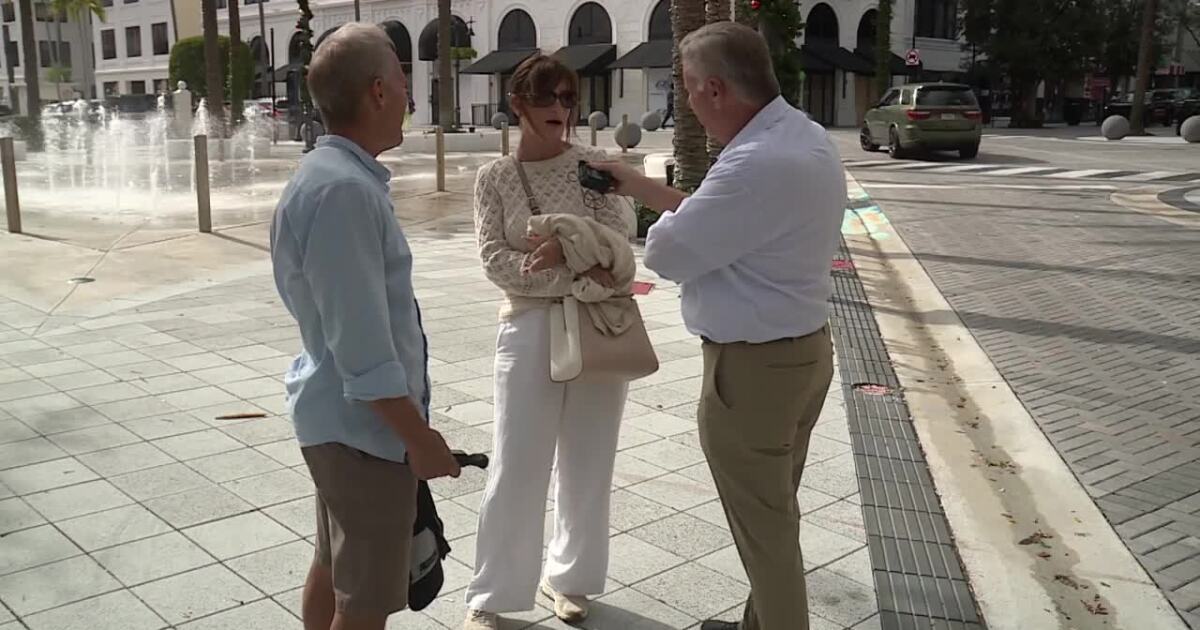
Many locals have expressed confusion and anger with the sudden enforcement, with some saying they are simply out of options for where to place their vehicles. As one resident bluntly put it, We are screwed.
This story was originally reported by Blanqui Violetas. You can read the source article here:
Parking on Your Own Property Can Now Result in a Fine
A newly adopted municipal ordinance prohibits Boynton Beach residents from parking on grass or on any surface that is not an official driveway. That includes areas inside the property line. In other words, ownership does not equal permission anymore.
For families juggling multiple cars or tight driveway space, this shift is more than inconvenient. Many have parked the same way for years without issue, only to find surprise tickets under their wipers.
How Much Are the Fines?
The fine is approximately 25 dollars per improperly parked vehicle. If unpaid, the amount increases to 32 dollars. For households with several cars, these citations stack fast, creating unexpected financial strain.
Why Are Residents Upset?
The frustration goes beyond parking frustration. Many American households include multiple working adults, making numerous vehicles common. Not every home was built with large driveways, and now some residents are considering tearing up gardens or paying for expensive construction just to comply.
What Does the City Say?
City officials argue the ordinance was introduced to improve neighborhood appearance, protect drainage systems, and prevent pedestrian hazards. They insist it is not a revenue-grab, though many residents remain unconvinced.
Some locals, like resident Cristina Super, have labeled the policy abusive and unnecessary.
Are There Any Exceptions?
Visitors may park for up to 12 hours within a 24-hour period. Unfortunately, this does little to help full-time residents who face ongoing parking challenges.
A Growing Debate Over Private Property Rights
This new rule has sparked a broader debate over how far city governments should go in regulating private property. While some appreciate the cleaner aesthetic, many believe the policy crosses a line and ignores daily realities.
More cities nationwide are tightening rules in an effort to reshape neighborhoods, and the challenge remains finding the balance between design and personal freedom.
Why This Matters for Real Estate Students and Professionals
Local ordinances like this directly affect property value, homeowner satisfaction, and the conversations real estate agents must have with buyers. This makes the topic especially important for anyone entering the industry.
At Cameron Academy, we prioritize real world understanding in every licensing program. Our students do more than pass exams … they learn how to navigate actual laws, ordinances, and the day-to-day reality of supporting homeowners and investors across Florida.
Getting licensed or staying ahead in your career can be a journey—but it doesn’t have to be overwhelming. Grab your favorite coffee or tea, take a moment to relax, and browse through our articles. Whether you’re just starting out or renewing your expertise, we’ve got tips, insights, and advice to keep you moving forward. Here’s to your success—one sip and one step at a time!
President Trump recently suggested mortgage rates will drop “a lot lower” by early 2026, sparking industry-wide curiosity — but current economic data tells a more measured story. With today’s 30‑year fixed hovering near 6.25%, experts say meaningful declines remain possible, though not guaranteed, and would depend on softer inflation, weaker economic signals, or a shift in bond market behavior. While political comments created headlines, analysts emphasize that only market conditions — not rhetoric — can drive rates down. Independent forecasts already point toward mid‑5% rates by 2026, offering a potentially healthier landscape for buyers, agents, and mortgage professionals preparing for the next cycle.
Artificial intelligence has moved from a futuristic concept to a central force driving today’s mortgage industry. From smarter underwriting to enhanced borrower experiences and tighter compliance, AI is transforming every corner of mortgage lending. As expectations rise and competition accelerates, AI literacy is no longer optional — it’s a core skill every mortgage, real estate and finance professional must master to stay relevant and lead confidently.
Global commercial real estate is shifting away from short-term recovery cycles and entering a long-term transformation driven by technology, sustainability, demographic change, and evolving work‑life patterns. Capital is becoming more selective, favoring resilient assets and alternative lenders, while high‑demand sectors such as industrial, logistics, data infrastructure, and specialized residential continue to outperform. Geography, sustainability standards, and flexibility are emerging as defining forces for the next cycle, signaling major opportunities—and challenges—for real estate professionals preparing for the future.
Artificial intelligence has moved from hype to essential infrastructure in the real estate world. From smarter valuations and predictive analytics to automated lead generation and personalized property-matching tools, AI is transforming how agents, brokers, lenders, and managers operate. As top platforms like Zillow, Redfin, Opendoor, and dozens more integrate deep‑learning technology, professionals across real estate, mortgage, insurance, and finance are being pushed to adapt. The future belongs to those who embrace these tools — and use them to elevate speed, accuracy, and client experience.
Florida’s once‑troubled property insurance market has staged an impressive recovery after its near‑collapse in 2022. A new ALIRT Insurance Research report shows that legislative reforms, tighter underwriting and the arrival of new insurers have restored stability, reduced Citizens’ policy load and revived industry confidence. While risks remain, the rebound is reshaping housing affordability and creating fresh opportunities for real estate, mortgage and insurance professionals.
A new bill gaining momentum in Tallahassee would stop insurers from denying claims based solely on artificial intelligence. Championed by Rep. Hillary Cassell, the proposal aims to restore trust in Florida’s troubled insurance market by ensuring human oversight in decisions that affect homeowners, newcomers, and industry professionals. As debates intensify, experts warn AI is reshaping insurance faster than ever—making it critical for real estate, mortgage, and insurance professionals to understand the regulatory shifts ahead.