Florida Ends FIGA’s 1% Insurance Assessment Two Years Early – What It Means for You
Florida policyholders are finally catching a break — and it’s happening two years sooner than expected. The Florida Insurance Guaranty Association (FIGA) has confirmed that the 1% emergency assessment added to most property insurance policies in 2023 will officially end on October 1. In a state where insurance news rarely feels uplifting, this update is a refreshing shift.
According to Executive Director Bob Ricker, the early termination could save Floridians up to $650 million over the next two years. A calm 2025 hurricane season, fewer carrier failures, and overall market stabilization are credited with making this early sunset possible.
Why This Matters for Florida Property Owners
Millions of Florida residents have been carrying the weight of the state’s insurance turbulence. With average premiums around $3,066, this rollback translates to roughly $31 in annual savings per homeowner. It may not be a huge windfall, but in Florida’s unpredictable insurance climate, every reduction counts.
Did you know?
FIGA has paid out over $2.1 billion in claims over the past five years — the direct result of 10 insurer insolvencies during one of the most volatile periods in Florida’s insurance history.
How Florida’s Insurance Reforms Helped Turn the Tide
Florida’s sweeping insurance reforms in 2022 and 2023 continue to reshape the market. By eliminating one-way attorney fees and assignment-of-benefits agreements, lawmakers removed major drivers of excessive litigation and inflated claim costs.
Insurance Commissioner Michael Yaworsky affirmed the assessment’s early end as evidence that these reforms are “producing savings for consumers” and helping stabilize the market.
A Quick Look Back: Why Was the Assessment Added?
In 2023, FIGA issued the 1% emergency assessment to help fund bonds needed to pay claims left behind by failed insurers. The move followed several smaller assessments, each tied to Florida’s struggle against aggressive litigation trends and multiple insurer collapses.
While the Governor previously proposed suspending the charge, bondholder agreements made it too complex — until now. With calmer conditions and improved industry footing, FIGA can finally retire the assessment.
What This Means for Real Estate & Insurance Professionals
For Florida’s real estate agents, insurance producers, and mortgage professionals, understanding FIGA’s decisions is essential. These shifts influence everything from consumer affordability to underwriting strategies and closing timelines.
Professionals committed to staying competitive know that industry awareness is power. That’s why institutions like Cameron Academy place such a strong emphasis on current events and practical insight — not just test prep.
As Florida’s insurance landscape continues to evolve, one message remains clear: professionals who stay informed stay ahead. That’s the edge we cultivate every day at Cameron Academy.
More Articles
Getting licensed or staying ahead in your career can be a journey—but it doesn’t have to be overwhelming. Grab your favorite coffee or tea, take a moment to relax, and browse through our articles. Whether you’re just starting out or renewing your expertise, we’ve got tips, insights, and advice to keep you moving forward. Here’s to your success—one sip and one step at a time!
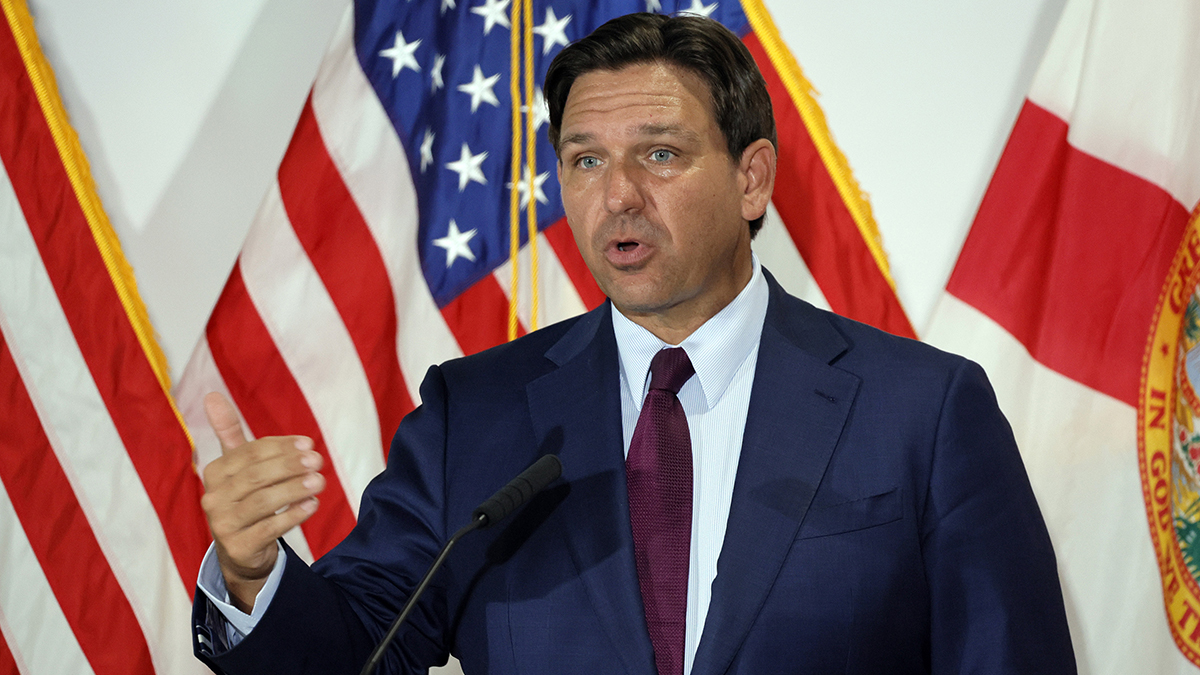
Florida homeowners — especially in hard‑hit South Florida — are set to see rare and substantial reductions in their property insurance premiums. Gov. Ron DeSantis announced an average statewide Citizens Insurance decrease of 8.7%, with even larger savings of up to 14% in counties like Miami-Dade, Broward, and Palm Beach. State officials credit recent legal and regulatory reforms for stabilizing the market, attracting new insurers, and delivering the first meaningful rate relief Floridians have seen in years.
Tampa’s commercial real estate market isn’t slowing—it’s maturing. With strong population growth, rising office demand, a normalized industrial sector, resurgent retail, and an emerging health‑care real estate boom, investors are shifting from speed to strategy. Tighter underwriting, cautious capital and increased due‑diligence are shaping a more disciplined market, creating new opportunities for informed professionals.
Florida homeowners are finally seeing relief as Citizens Property Insurance announces a major 8.7% average rate decrease—far larger than originally proposed. Driven by legislative reforms, fewer lawsuits, and a calm hurricane season, the state’s once‑unstable insurance market is showing real signs of recovery. But with reduced coverage limits and shifting legal protections, experts warn that lower premiums may come with hidden trade‑offs.
After a decade of rising premiums and retreating carriers, Florida homeowners are finally seeing long‑awaited relief. Dozens of insurers have filed for rate decreases—some as high as 11%—thanks to legislative reforms and a stabilizing market. Early approvals are already hitting counties across the state, and experts say the momentum could boost buyer confidence, affordability, and competition throughout Florida’s real estate and insurance sectors.
After years of slowed activity caused by rising interest rates, the self‑storage industry is heating up again. New data from Marcus & Millichap shows a fresh market cycle emerging, driven by renewed buyer confidence, recalibrated pricing, and stronger lender participation. Acquisitions are rebounding, development is resetting in a healthier direction, and financing conditions are improving—creating one of the most promising investment landscapes the sector has seen in years.
Brookline’s newly updated FEMA flood maps identify 97 high‑risk parcels, but local experts warn the true threat is far greater. While FEMA highlights river‑based flooding around Leverett Pond and the Muddy River, alternative models show more than 1,300 Brookline properties at risk within 30 years. Hidden vulnerabilities along major corridors like Beacon Street, rising rainfall intensity, aging infrastructure, and climate‑driven storm patterns suggest that many “low‑risk” areas may be anything but safe.