Florida Ends FIGA’s 1% Insurance Assessment Two Years Early – What It Means for You
Florida policyholders are finally catching a break — and it’s happening two years sooner than expected. The Florida Insurance Guaranty Association (FIGA) has confirmed that the 1% emergency assessment added to most property insurance policies in 2023 will officially end on October 1. In a state where insurance news rarely feels uplifting, this update is a refreshing shift.
According to Executive Director Bob Ricker, the early termination could save Floridians up to $650 million over the next two years. A calm 2025 hurricane season, fewer carrier failures, and overall market stabilization are credited with making this early sunset possible.
Why This Matters for Florida Property Owners
Millions of Florida residents have been carrying the weight of the state’s insurance turbulence. With average premiums around $3,066, this rollback translates to roughly $31 in annual savings per homeowner. It may not be a huge windfall, but in Florida’s unpredictable insurance climate, every reduction counts.
Did you know?
FIGA has paid out over $2.1 billion in claims over the past five years — the direct result of 10 insurer insolvencies during one of the most volatile periods in Florida’s insurance history.
How Florida’s Insurance Reforms Helped Turn the Tide
Florida’s sweeping insurance reforms in 2022 and 2023 continue to reshape the market. By eliminating one-way attorney fees and assignment-of-benefits agreements, lawmakers removed major drivers of excessive litigation and inflated claim costs.
Insurance Commissioner Michael Yaworsky affirmed the assessment’s early end as evidence that these reforms are “producing savings for consumers” and helping stabilize the market.
A Quick Look Back: Why Was the Assessment Added?
In 2023, FIGA issued the 1% emergency assessment to help fund bonds needed to pay claims left behind by failed insurers. The move followed several smaller assessments, each tied to Florida’s struggle against aggressive litigation trends and multiple insurer collapses.
While the Governor previously proposed suspending the charge, bondholder agreements made it too complex — until now. With calmer conditions and improved industry footing, FIGA can finally retire the assessment.
What This Means for Real Estate & Insurance Professionals
For Florida’s real estate agents, insurance producers, and mortgage professionals, understanding FIGA’s decisions is essential. These shifts influence everything from consumer affordability to underwriting strategies and closing timelines.
Professionals committed to staying competitive know that industry awareness is power. That’s why institutions like Cameron Academy place such a strong emphasis on current events and practical insight — not just test prep.
As Florida’s insurance landscape continues to evolve, one message remains clear: professionals who stay informed stay ahead. That’s the edge we cultivate every day at Cameron Academy.
More Articles
Getting licensed or staying ahead in your career can be a journey—but it doesn’t have to be overwhelming. Grab your favorite coffee or tea, take a moment to relax, and browse through our articles. Whether you’re just starting out or renewing your expertise, we’ve got tips, insights, and advice to keep you moving forward. Here’s to your success—one sip and one step at a time!
Skyrocketing insurance premiums and soaring rebuilding costs are transforming communities across Southwest Florida, especially in the wake of Hurricane Ian. As longtime residents struggle to keep up with rising financial pressure, wealthier newcomers and stricter building standards are reshaping the identity of places like Fort Myers Beach. With insurance rates now driving home sales, triggering potential foreclosures, and squeezing both owners and renters, Florida’s middle-class families face a growing question: can they afford to stay in the state they love?
Florida’s insurance industry is stabilizing fast, with nearly 1.6 million policies shifting from Citizens to private insurers and litigation dropping sharply. Regulators report stronger market confidence, decreasing premiums, and renewed competition—signaling one of the healthiest periods the state has seen in years.
A Leon County judge has ordered the restart of arbitration for Citizens Property Insurance claims, directly conflicting with a previous ruling that halted the process as potentially unconstitutional. With more than 400 cases now back in motion, real estate, insurance, and mortgage professionals can expect renewed activity in claim disputes and fresh uncertainty as Florida courts clash over the legality of Citizens’ arbitration system.
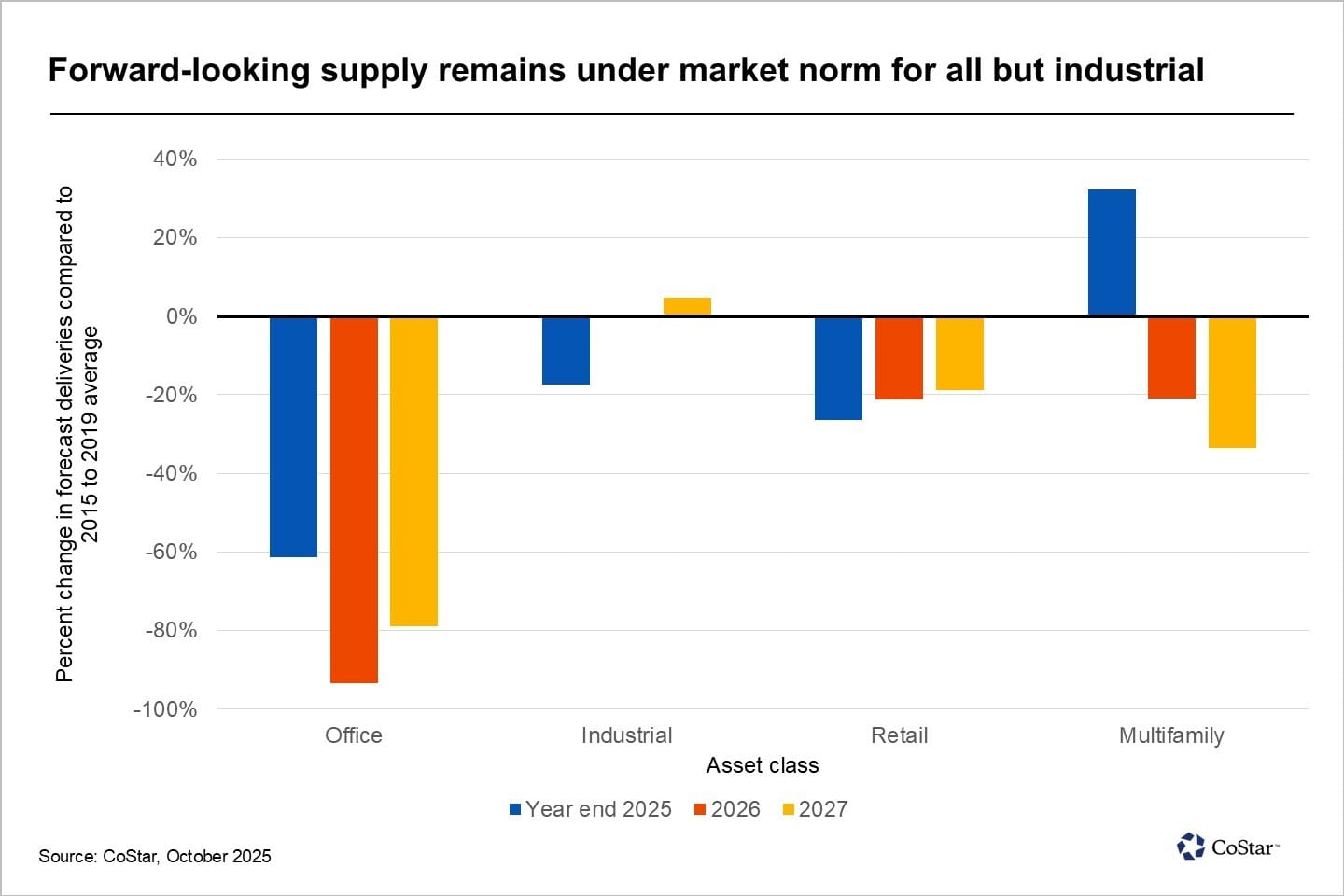
The DFW market is transitioning into a new construction phase marked by a slowdown in office development, a more selective approach to industrial projects, and an evolving housing landscape shaped by affordability and population growth. Developers are recalibrating their priorities, and for real estate professionals, understanding these shifts offers a critical edge in navigating—and capitalizing on—the next phase of the metroplex’s growth.
A new federal lawsuit claims Zillow pushed homebuyers toward Zillow Home Loans by rewarding affiliated agents with valuable leads — all without proper disclosure. The suit alleges undisclosed incentives, referral quotas, and potential RESPA violations, raising major concerns about steering, fiduciary duties, and Zillow’s expanding mortgage ambitions.
The mortgage industry is evolving fast, and the lenders who come out on top will be those who innovate without uprooting what already works. By building on strong technology foundations, streamlining workflows and adopting smart automation, lenders can reduce costs, improve customer experience and stay resilient in any market cycle. This article breaks down why innovation matters now, how a stable tech ecosystem protects lenders in volatile conditions and why small, strategic steps can drive long-term transformation.