Florida Ends Insurance Assessment Early, Saving Homeowners Millions
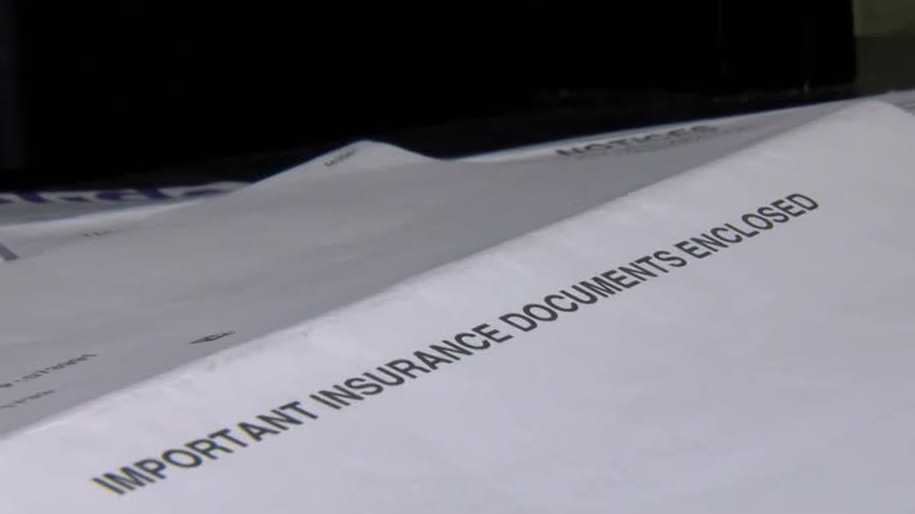
Florida homeowners just scored a rare financial win — and it’s a big one. The emergency insurance assessment added after a wave of insurer bankruptcies has been paid off two full years ahead of schedule. This fast payoff translates into more than $650 million in savings statewide, bringing long‑awaited relief to residents who have endured years of climbing premiums.
The assessment, around $30 annually for most homeowners, was originally created after Hurricane Ian triggered the collapse of 10 insurance companies, including United Property and Casualty. When those companies failed, the financial pressure fell directly on residents. Many policyholders had no idea they were paying the fee — until now, when it’s about to vanish.
Tap to reflect: Did you know you were paying this assessment each year?
What This Means for Florida Homeowners
Insurance Information Institute spokesperson Mark Friedlander emphasized how unusual this positive news is. The strengthening of Florida’s insurance market allowed the debt to be retired early, unlocking more than half a billion dollars in savings over the next two years.
Residents like Alexa Stevenson of Fort Myers say the timing is perfect. “In this economy, it’s tough — and to know we’re going to save a little bit is nice,” she shared.
Even incoming homebuyers, including new retirees like Doreen Eldred, view this as a much‑needed shift. Still, she warns that one major storm could change everything again. For aspiring real estate agents, mortgage professionals, and insurance specialists, these shifts are critical to understand in today’s Florida market.
Why This Matters to Real Estate Professionals
Insurance expenses are now one of the biggest deal‑makers or deal‑breakers for buyers. Whether you’re guiding clients or navigating your own policy, the end of this assessment helps restore a sense of stability across Florida’s real estate and lending landscape.
At Cameron Academy, we see firsthand how insurance trends shape the careers of real estate and insurance students. A more balanced market means more confident buyers — and more opportunities for professionals ready to step into the field.
Insight: If you’re considering a Florida real estate or insurance career, moments like this highlight why staying educated and licensed matters.
Source Spotlight
This developing story was originally reported by Gulf Coast News. Explore their full coverage and stay informed about Florida’s shifting insurance and housing markets:
Read the full report on Gulf Coast News.
More Articles
Getting licensed or staying ahead in your career can be a journey—but it doesn’t have to be overwhelming. Grab your favorite coffee or tea, take a moment to relax, and browse through our articles. Whether you’re just starting out or renewing your expertise, we’ve got tips, insights, and advice to keep you moving forward. Here’s to your success—one sip and one step at a time!
AI-powered sentiment analysis is giving real estate investors a major edge by scanning millions of online conversations to detect market shifts long before traditional data responds. From predicting neighborhood momentum to spotting declining tenant satisfaction, this technology captures real-time public emotion across office, retail, and multifamily sectors. As trends in sentiment become as important as demographics and NOI, professionals who understand these tools will stay ahead of the next market move.
Florida lawmakers are racing toward a high-stakes finish to the legislative session as a sweeping property tax overhaul triggers fierce debate. The House is pushing to eliminate most non-school property taxes on primary homes, while the Senate urges caution and Gov. Ron DeSantis floats even bigger changes. With Democrats warning of budget crises and only weeks left to strike a deal, the future of Florida’s tax structure—and its real estate market—hangs in the balance.
Florida homeowners are getting rare financial relief as the emergency insurance assessment—added after multiple insurers collapsed post‑Hurricane Ian—has been paid off two years early. The early payoff wipes out the charge of about $30 per household per year and delivers more than $650 million in statewide savings. With the insurance market stabilizing faster than expected, real estate and insurance professionals can expect a slightly more favorable environment for buyers and policyholders alike.
After years of pandemic‑driven disruption, rising vacancies, and interest‑rate volatility, confidence is finally returning to commercial real estate. Major analysts report that leasing activity is accelerating, investor appetite is rising, and high‑quality properties are leading the rebound. With investment volumes expected to jump and vacancies beginning to fall, 2026 is shaping up to be the long‑awaited turning point for the industry.
Sioux Falls enters 2026 with a commercial real estate market outperforming nearly every regional competitor. Fueled by strong fundamentals, major private investment, and confidence across all sectors, the city is positioned for what experts call “white‑hot economic activity.” From booming land sales and rising retail absorption to stabilizing office and industrial sectors, the metro’s momentum is undeniable—making it a prime environment for real estate professionals and investors looking for opportunity.
Florida lawmakers have advanced HB 767, a major insurance transparency bill that would create a statewide online rate database, boost consumer education, and prevent insurers from using land value to inflate premiums. The proposal promises clearer insurance data and stronger accountability—bringing much‑needed relief and insight to homeowners, real estate agents, mortgage professionals, and insurance producers across the state.