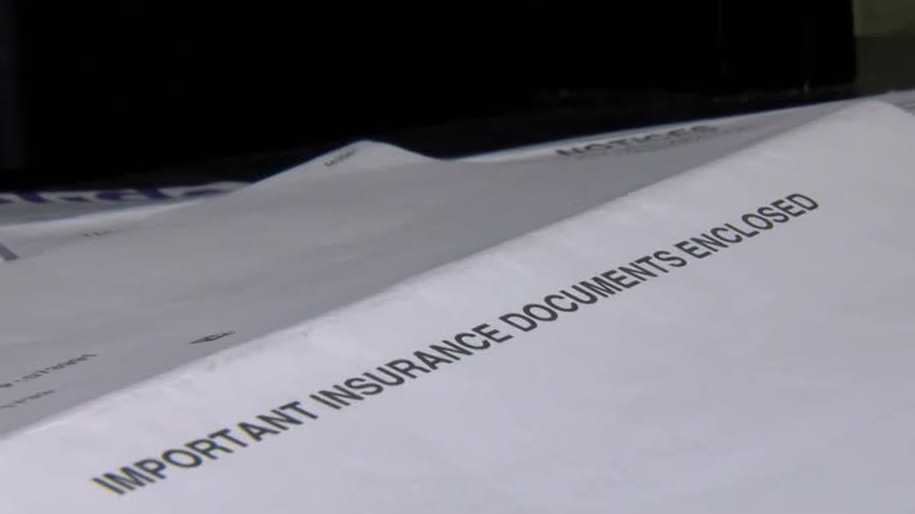
Florida Ends Insurance Assessment Early, Saving Homeowners Millions
Florida homeowners just scored a rare financial win — and it’s a big one. The emergency insurance assessment added after a wave of insurer bankruptcies has been paid off two full years ahead of schedule. This fast payoff translates into more than $650 million in savings statewide, bringing long‑awaited relief to residents who have endured years of climbing premiums.
The assessment, around $30 annually for most homeowners, was originally created after Hurricane Ian triggered the collapse of 10 insurance companies, including United Property and Casualty. When those companies failed, the financial pressure fell directly on residents. Many policyholders had no idea they were paying the fee — until now, when it’s about to vanish.
Tap to reflect: Did you know you were paying this assessment each year?
What This Means for Florida Homeowners
Insurance Information Institute spokesperson Mark Friedlander emphasized how unusual this positive news is. The strengthening of Florida’s insurance market allowed the debt to be retired early, unlocking more than half a billion dollars in savings over the next two years.
Residents like Alexa Stevenson of Fort Myers say the timing is perfect. “In this economy, it’s tough — and to know we’re going to save a little bit is nice,” she shared.
Even incoming homebuyers, including new retirees like Doreen Eldred, view this as a much‑needed shift. Still, she warns that one major storm could change everything again. For aspiring real estate agents, mortgage professionals, and insurance specialists, these shifts are critical to understand in today’s Florida market.
Why This Matters to Real Estate Professionals
Insurance expenses are now one of the biggest deal‑makers or deal‑breakers for buyers. Whether you’re guiding clients or navigating your own policy, the end of this assessment helps restore a sense of stability across Florida’s real estate and lending landscape.
At Cameron Academy, we see firsthand how insurance trends shape the careers of real estate and insurance students. A more balanced market means more confident buyers — and more opportunities for professionals ready to step into the field.
Insight: If you’re considering a Florida real estate or insurance career, moments like this highlight why staying educated and licensed matters.
Source Spotlight
This developing story was originally reported by Gulf Coast News. Explore their full coverage and stay informed about Florida’s shifting insurance and housing markets:
Read the full report on Gulf Coast News.
More Articles
Getting licensed or staying ahead in your career can be a journey—but it doesn’t have to be overwhelming. Grab your favorite coffee or tea, take a moment to relax, and browse through our articles. Whether you’re just starting out or renewing your expertise, we’ve got tips, insights, and advice to keep you moving forward. Here’s to your success—one sip and one step at a time!
The recent settlement agreements between Anywhere Real Estate and RE/MAX have brought significant changes to the real estate industry. These agreements mark a turning point in buyer broker compensation and have far-reaching implications for agents and brokers alike. With the removal of the National Association of Realtors (NAR) membership requirement and the Code of Ethics, agents now have more flexibility in conducting their business. This shift has sparked both optimism and concerns within the industry. Join us as we navigate through the changes brought about by these settlement agreements and uncover their potential effects on professionalism, competition, and the overall landscape of the real estate market.
The mortgage market is currently facing significant challenges, with mortgage rates nearing 8%, low housing inventory, and rising home prices. In this article, we explore the strategies employed by wholesale lenders and brokers to navigate these conditions and adapt to the changing market landscape. One key strategy is the implementation of down-payment assistance programs, providing financial support to potential homebuyers. Another is the option to buy down mortgage rates, offering more affordable monthly payments. With limited housing inventory, many potential homebuyers are turning to fixer-upper properties, and lenders are capitalizing on this trend by offering renovation loans. Brokerage firm owners are also diligently managing their cost structures to remain profitable. Looking ahead, industry professionals are closely monitoring the potential impact of the Federal Reserve's tightening monetary policy and political instability on the mortgage market.
Two innovative startups in Texas, Hive3D and Icon, are leveraging 3D printing technology to combat housing inventory shortages and climate change. They're constructing eco-friendly homes, offering a groundbreaking approach to sustainable housing. Houston-based Hive3D uses "green cement," reducing waste and contributing positively to the environment. Icon's efficient construction methods enable them to construct an entire subdivision of homes in less time, meeting the growing demand for housing and reducing resource consumption. These 3D-printed homes are more cost-effective due to reduced labor costs and minimized material waste, offering more affordable housing options.
In the midst of the continued climb of 30-year fixed mortgage rates, the Mortgage Bankers Association (MBA) has issued a call to the Federal Reserve (Fed) to bring much-needed certainty to the financial markets. The MBA believes that the Fed must make clear statements regarding the end of its rate hikes and its intentions with its mortgage-backed securities (MBS) holdings. The MBA, represented by its president and CEO, Bob Broeksmit, has emphasized the urgency of the Fed's communication. Broeksmit asserts that the Fed needs to clearly state that it has reached the end of its rate hikes and that it will refrain from selling its MBS holdings until the housing finance market stabilizes and mortgage-to-Treasury spreads normalize.
Despite a decline in mortgage application fraud, New York and Florida continue to face the highest mortgage fraud risks in the nation. The primary drivers of fraud risk in these states are fraudulent income misrepresentation and undisclosed real estate liabilities. High-risk metropolitan areas include New York City, Miami, Tampa, and Orlando. To combat mortgage fraud risks, it is crucial to maintain vigilance and take proactive actions. Stay ahead of the game and protect yourself from mortgage fraud risks in New York and Florida. Sign up for our mortgage fraud prevention course today.
Significant changes may be on the horizon for the United States housing market if new legislation is passed. Bills introduced in both the U.S. Senate and the House of Representatives propose the requirement of title insurance on mortgages purchased by government-sponsored enterprises (GSEs). Known collectively as The Protecting America's Property Rights Act, these bills are currently under consideration and have not yet been voted on. If passed, the proposed amendments to the charters of Fannie Mae and Freddie Mac would make primary-lien title insurance mandatory for conventional mortgages on one- to four-unit properties. Title insurance plays a critical role in the mortgage industry by protecting lenders and homeowners. It offers financial loss protection in the event of property title defects, ensuring that property ownership is free from any legal disputes or claims. Lawmakers aim to enhance the integrity of the mortgage market and provide additional safeguards for lenders and borrowers by requiring title insurance on GSE-backed loans.