Florida Ends Insurance Assessment Early, Saving Homeowners Millions
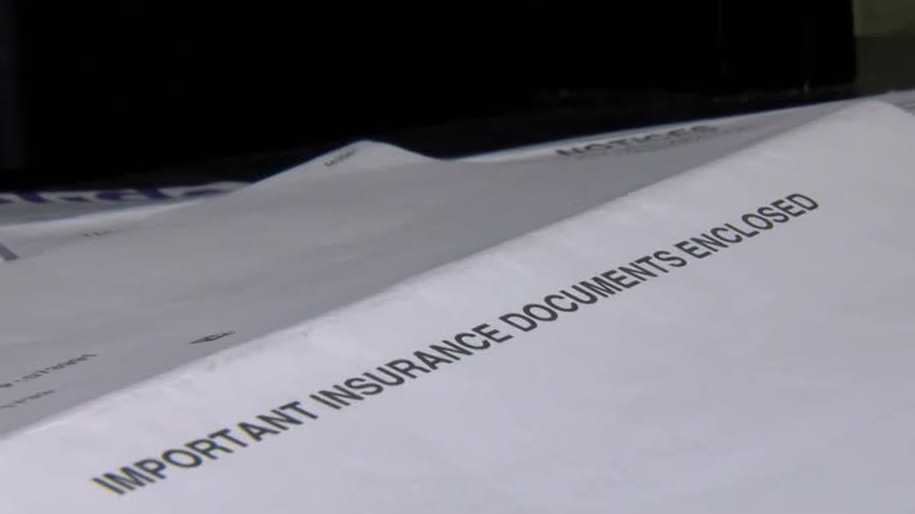
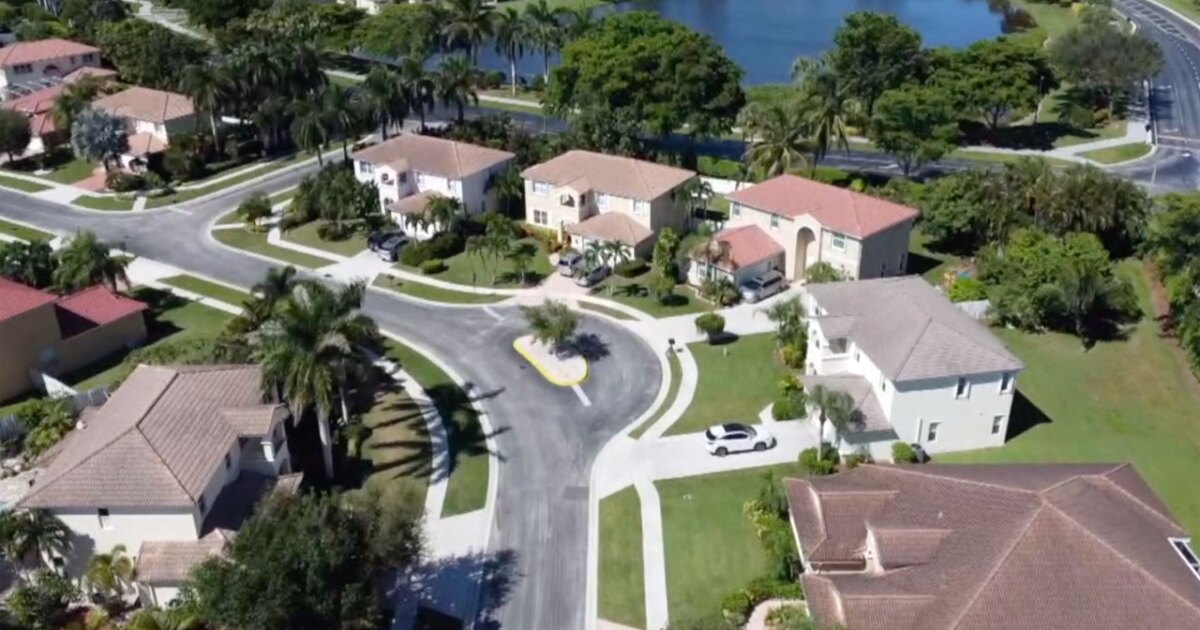
Florida homeowners just scored a rare financial win — and it’s a big one. The emergency insurance assessment added after a wave of insurer bankruptcies has been paid off two full years ahead of schedule. This fast payoff translates into more than $650 million in savings statewide, bringing long‑awaited relief to residents who have endured years of climbing premiums.
The assessment, around $30 annually for most homeowners, was originally created after Hurricane Ian triggered the collapse of 10 insurance companies, including United Property and Casualty. When those companies failed, the financial pressure fell directly on residents. Many policyholders had no idea they were paying the fee — until now, when it’s about to vanish.
Tap to reflect: Did you know you were paying this assessment each year?
What This Means for Florida Homeowners
Insurance Information Institute spokesperson Mark Friedlander emphasized how unusual this positive news is. The strengthening of Florida’s insurance market allowed the debt to be retired early, unlocking more than half a billion dollars in savings over the next two years.
Residents like Alexa Stevenson of Fort Myers say the timing is perfect. “In this economy, it’s tough — and to know we’re going to save a little bit is nice,” she shared.
Even incoming homebuyers, including new retirees like Doreen Eldred, view this as a much‑needed shift. Still, she warns that one major storm could change everything again. For aspiring real estate agents, mortgage professionals, and insurance specialists, these shifts are critical to understand in today’s Florida market.
Why This Matters to Real Estate Professionals
Insurance expenses are now one of the biggest deal‑makers or deal‑breakers for buyers. Whether you’re guiding clients or navigating your own policy, the end of this assessment helps restore a sense of stability across Florida’s real estate and lending landscape.
At Cameron Academy, we see firsthand how insurance trends shape the careers of real estate and insurance students. A more balanced market means more confident buyers — and more opportunities for professionals ready to step into the field.
Insight: If you’re considering a Florida real estate or insurance career, moments like this highlight why staying educated and licensed matters.
Source Spotlight
This developing story was originally reported by Gulf Coast News. Explore their full coverage and stay informed about Florida’s shifting insurance and housing markets:
Read the full report on Gulf Coast News.
More Articles
Getting licensed or staying ahead in your career can be a journey—but it doesn’t have to be overwhelming. Grab your favorite coffee or tea, take a moment to relax, and browse through our articles. Whether you’re just starting out or renewing your expertise, we’ve got tips, insights, and advice to keep you moving forward. Here’s to your success—one sip and one step at a time!
Florida’s home insurance market is experiencing a wave of optimism as recent litigation reforms lead to fewer lawsuits, stronger insurer stability, and even rate reductions. With companies like Florida Peninsula lowering premiums and 17 new insurers entering the state, real estate, mortgage, and insurance professionals can expect smoother transactions, increased buyer confidence, and a more competitive market environment in the year ahead.
Mortgage rates have dipped to levels not seen since 2022, with the 30‑year fixed averaging just 6.361% and Freddie Mac reporting an even lower 6.06%. The drop is reshaping buyer affordability, sparking renewed market activity, and creating fresh opportunities for real estate professionals—especially in fast‑moving markets like Florida.
The 2026 housing market is shaping up to be one of the most pivotal in years, with mortgage rates showing slight relief, affordability shifting toward the Midwest and South, and buyers turning to options like ARMs and new‑construction homes. Early signals point to new opportunities for buyers, investors, and real‑estate professionals—especially those ready to navigate a market defined by moderate rate drops, regional affordability gaps, and builder‑driven incentives.
Ares Commercial Real Estate CEO Bryan Donohoe sold US$107k in shares this week, trimming his stake by 13% and adding to a pattern of insider selling with no insider purchases in the past 12 months. With insider ownership sitting at a modest 1.6%, the activity signals a cautious tone inside the company—something real estate, mortgage, and finance professionals may want to watch as they assess broader market confidence.
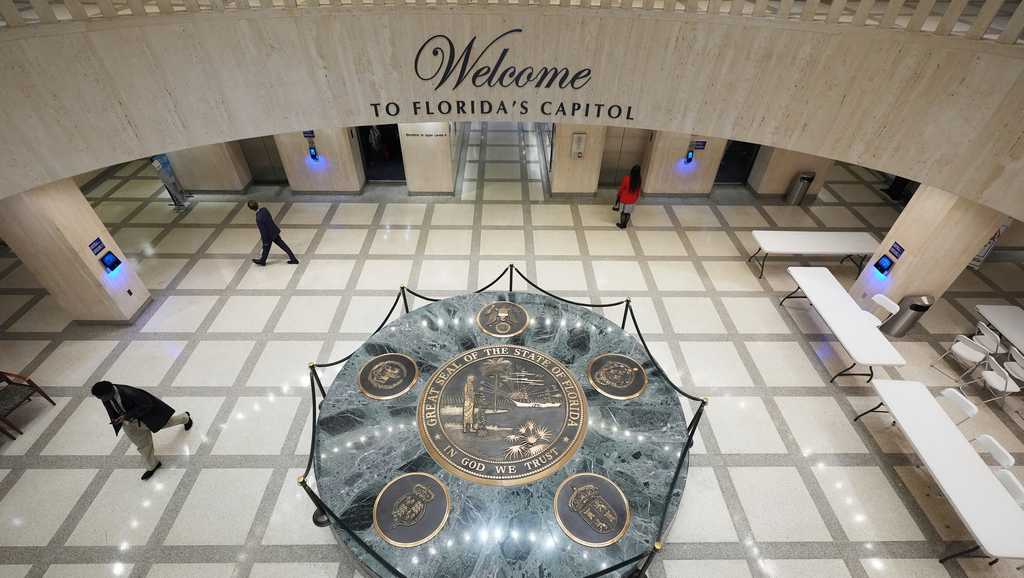
Florida’s 2026 legislative session is officially underway, launching a wave of high‑impact bills targeting property insurance reform, a proposal to eliminate property taxes, new education attendance requirements, and even an AI Bill of Rights. With over a hundred bills already filed, real estate agents, investors, insurers, educators, and other licensed professionals can expect significant regulatory shifts that may reshape Florida’s housing market, insurance costs, and professional compliance standards.
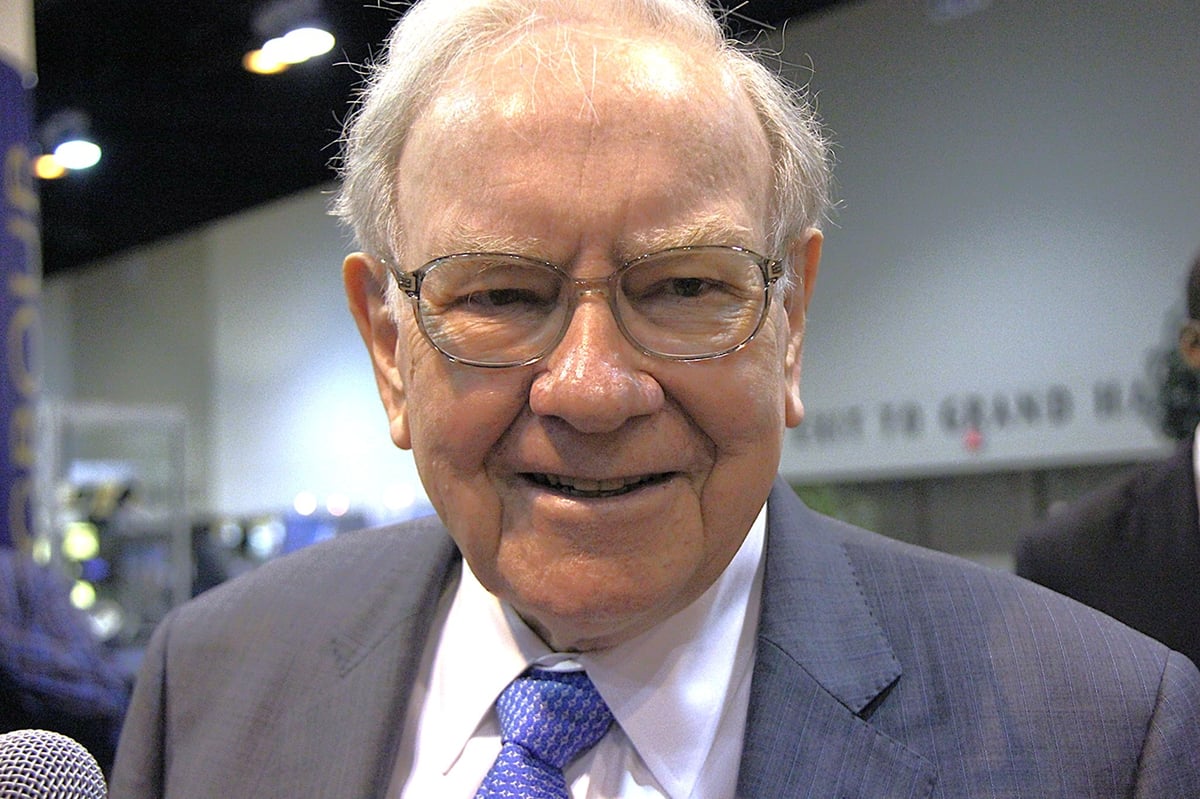
Warren Buffett’s timeless investing wisdom is more relevant than ever in 2026. Despite decades of market change, his core lesson remains the same: long‑term conviction outperforms short‑term prediction. From embracing occasional underperformance to avoiding emotional decisions, Buffett’s philosophy highlights why deep understanding and steady confidence are more valuable than trying to forecast market swings. This mindset isn’t just for investors—it’s a guiding principle for professionals looking to grow their careers with clarity and purpose.