Florida Ends Insurance Assessment Early, Saving Homeowners Millions
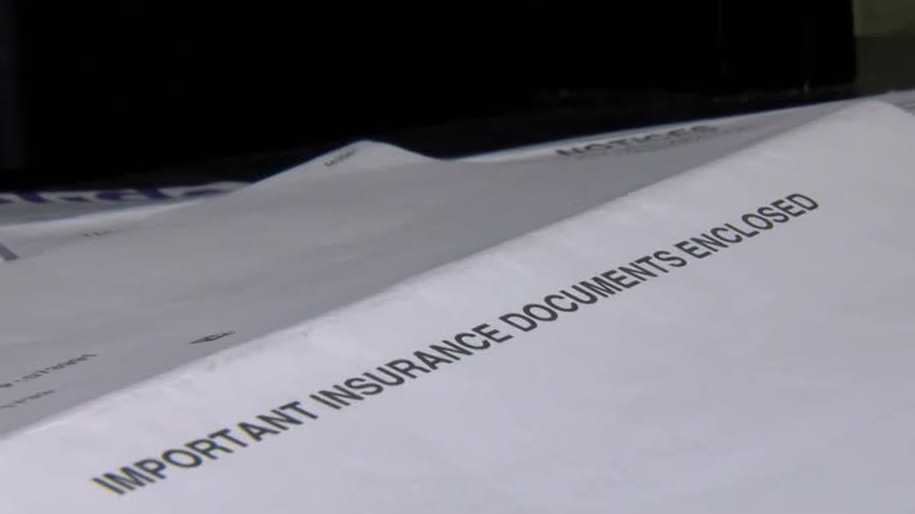
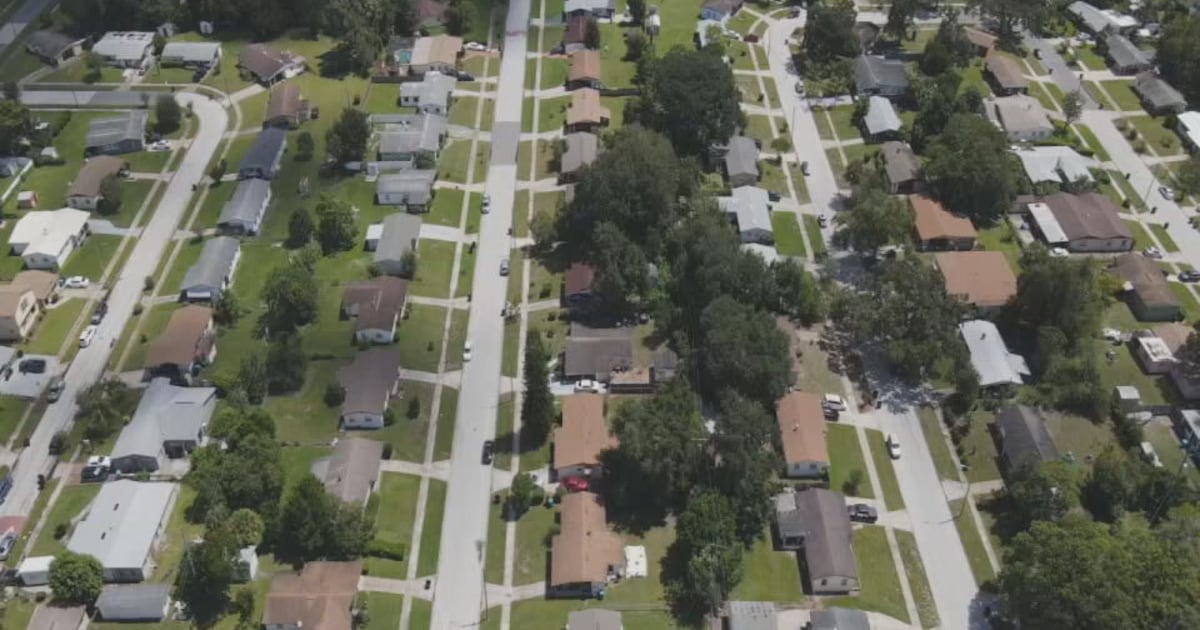
Florida homeowners just scored a rare financial win — and it’s a big one. The emergency insurance assessment added after a wave of insurer bankruptcies has been paid off two full years ahead of schedule. This fast payoff translates into more than $650 million in savings statewide, bringing long‑awaited relief to residents who have endured years of climbing premiums.
The assessment, around $30 annually for most homeowners, was originally created after Hurricane Ian triggered the collapse of 10 insurance companies, including United Property and Casualty. When those companies failed, the financial pressure fell directly on residents. Many policyholders had no idea they were paying the fee — until now, when it’s about to vanish.
Tap to reflect: Did you know you were paying this assessment each year?
What This Means for Florida Homeowners
Insurance Information Institute spokesperson Mark Friedlander emphasized how unusual this positive news is. The strengthening of Florida’s insurance market allowed the debt to be retired early, unlocking more than half a billion dollars in savings over the next two years.
Residents like Alexa Stevenson of Fort Myers say the timing is perfect. “In this economy, it’s tough — and to know we’re going to save a little bit is nice,” she shared.
Even incoming homebuyers, including new retirees like Doreen Eldred, view this as a much‑needed shift. Still, she warns that one major storm could change everything again. For aspiring real estate agents, mortgage professionals, and insurance specialists, these shifts are critical to understand in today’s Florida market.
Why This Matters to Real Estate Professionals
Insurance expenses are now one of the biggest deal‑makers or deal‑breakers for buyers. Whether you’re guiding clients or navigating your own policy, the end of this assessment helps restore a sense of stability across Florida’s real estate and lending landscape.
At Cameron Academy, we see firsthand how insurance trends shape the careers of real estate and insurance students. A more balanced market means more confident buyers — and more opportunities for professionals ready to step into the field.
Insight: If you’re considering a Florida real estate or insurance career, moments like this highlight why staying educated and licensed matters.
Source Spotlight
This developing story was originally reported by Gulf Coast News. Explore their full coverage and stay informed about Florida’s shifting insurance and housing markets:
Read the full report on Gulf Coast News.
More Articles
Getting licensed or staying ahead in your career can be a journey—but it doesn’t have to be overwhelming. Grab your favorite coffee or tea, take a moment to relax, and browse through our articles. Whether you’re just starting out or renewing your expertise, we’ve got tips, insights, and advice to keep you moving forward. Here’s to your success—one sip and one step at a time!
After years of soaring premiums and insurer instability, Florida’s property insurance market is finally turning a corner. Major carriers have filed 83 requests for rate decreases heading into 2026, with companies like Florida Peninsula and Patriot Select proposing cuts of 8.4% and 11.3%. Some homeowners may see relief as early as next month, signaling a long‑awaited shift toward market stability.
Fix-and-flip investing is gearing up for one of its strongest years in a decade as 2026 approaches. With cheaper capital, more accessible funding, easing interest rates, and long-awaited increases in housing inventory, investors are finding the perfect environment to launch or scale renovation-based real estate businesses. Renovation continues to outpace new construction in cost and speed, and demand for move-in-ready homes remains high, making 2026 a powerful opportunity window for both new and experienced investors.
After a short-lived period of relief in 2025, the U.S. rental market may be headed for a tighter, more expensive 2026. With construction starts dropping nearly 11% and completions plunging 42%, the surge of new apartments that helped lower rents is rapidly drying up. Rising costs, shrinking inventory, and a slowdown in new development point to a potential rental crunch that could leave renters facing heavier competition and higher prices across major markets next year.
The commercial real estate market is entering a rare reset that experts say mirrors the post‑2008 boom, creating a potential window for disciplined investors. With trillions in commercial debt coming due and property values dropping up to 40%, firms like AARE are positioning themselves to acquire assets below replacement cost—an advantage that could set the stage for significant long‑term growth.
Commercial real estate is entering a reinvention phase, with AI‑driven productivity, modernized office demand, experience‑focused retail, expanding industrial logistics, creative housing solutions, and sustainability‑centered design all accelerating nationwide. These six forces are shaping how investors, brokers, and future licensees will operate in a rapidly evolving U.S. market.
After years of economic uncertainty and cautious decision‑making, 2026 is shaping up to be the year professionals finally catch a break. AI is moving from buzzword to essential tool, capital markets are beginning to thaw, and hiring is picking up across real estate, mortgage, insurance, finance, and healthcare. With opportunity returning, many professionals are using this moment to upskill—pursuing new licenses, certifications, and cross‑industry expertise.