Florida Homeowners Get Relief as Insurance Surcharge Ends Two Years Early
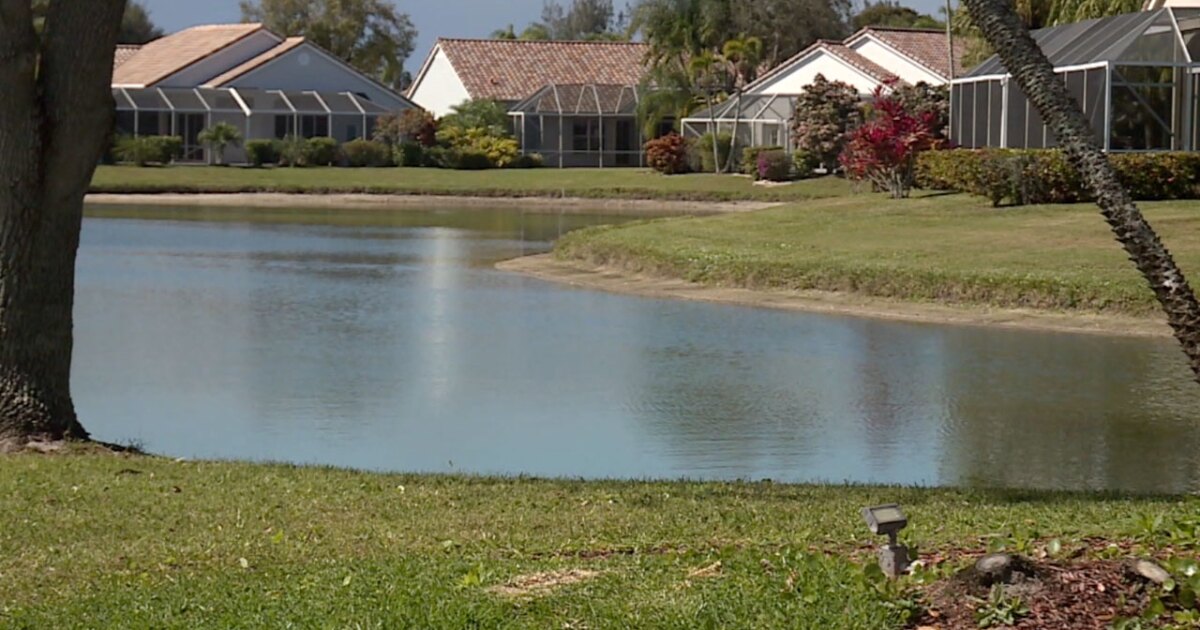
Florida lakefront homes

Florida homeowners are about to feel a welcome drop in their insurance bills. The Florida Insurance Guaranty Association has officially voted to end its 1 percent emergency surcharge a full two years ahead of schedule, unlocking an estimated 650 million dollars in statewide savings.

The fee was originally introduced after ten insurance companies became insolvent, placing financial strain on the market. Now, thanks to a calmer hurricane season, fewer insurer failures, and new legislative reforms aimed at reducing excessive lawsuits, the state is in a position to lift the charge earlier than expected.

What Homeowners Can Expect

For the average Florida homeowner, the savings will amount to about 31 dollars per year. While that may seem modest on a per-policy basis, the statewide impact is significant, providing meaningful relief in a market long affected by rising premiums and shrinking insurer participation.

According to Mark Friedlander of the Insurance Information Institute, Florida’s property insurance sector is now in its strongest financial condition in more than a decade. The official end date for the surcharge is October 1.

Why This Matters for Real Estate and Licensing Professionals

A healthier insurance market is good news for anyone buying, selling, or investing in Florida real estate. Stability encourages buyer confidence, improves underwriting conditions, and supports long-term growth in the state’s housing market.

For new and aspiring real estate professionals, this shift offers a clearer path toward understanding Florida’s evolving insurance landscape. At Cameron Academy, topics like insurance trends, risk assessment, and homeowner protections form a valuable part of the learning experience for students preparing for their real estate career. A strong grasp of these changes helps future agents guide clients with confidence and accuracy.

Source and Additional Coverage

This report is based on public announcements from FIGA and coverage by WPTV. You can read the original news story here:
WPTV Real Estate News

The official FIGA release can be viewed here:
Florida Insurance Guaranty Association Press Release

This story originated from an on-air report and was adapted for this platform with assistance from AI. All reporting has been reviewed by editorial staff for accuracy and fairness.

For questions or insights about Florida’s ongoing insurance challenges, the original reporter encourages readers to reach out directly through their newsroom.

More Articles

Getting licensed or staying ahead in your career can be a journey—but it doesn’t have to be overwhelming. Grab your favorite coffee or tea, take a moment to relax, and browse through our articles. Whether you’re just starting out or renewing your expertise, we’ve got tips, insights, and advice to keep you moving forward. Here’s to your success—one sip and one step at a time!

Florida’s Insurance Crisis Explained: Why Coastal Risk Is Pushing the Market to Its Breaking Point

Florida’s insurance market is under intense pressure as millions of residents and trillions in property wealth cluster along hurricane‑vulnerable coastlines. This article breaks down how decades of growth in high‑risk zones created today’s crisis, why traditional pricing models can’t keep up, and what real estate and insurance professionals must do to stay ahead. It offers actionable insights on underwriting, risk communication, policy partnerships, and resilience planning—critical knowledge for anyone advising Florida homeowners or navigating the state’s evolving insurance landscape.

Sky‑High Insurance Rates Are Now Florida’s “New Normal,” Experts Warn

Florida’s homeowners insurance market may have stabilized, but not in the way residents hoped. After years of runaway increases, premiums have stopped spiking—but they’re holding at painfully high levels. Coastal properties remain the hardest hit, with some policies topping $15,000 a year, while insurers continue demanding costly upgrades and resisting calls for transparency. For real estate professionals, understanding these pricing pressures is becoming essential as insurance costs increasingly shape buyer decisions across the state.

Hurricane Insurance in Florida: The 2026 Coverage Guide Every Homeowner Needs

Florida homeowners face soaring premiums, shrinking insurer options, and storms that grow stronger each year. This article breaks down what hurricane insurance actually covers, how deductibles really work, why flood insurance is essential, and what professionals in real estate, mortgage, and insurance must understand to protect clients and properties before the next major storm hits.

The Legacy Leader Steps Down: Teresa King Kinney Retires After 33 Years Transforming MIAMI Realtors

Teresa King Kinney, one of the most influential executives in modern real estate, is retiring after 33 years as CEO of the MIAMI Association of Realtors. Under her leadership, the organization grew from 5,000 members to 60,000, became a global real estate powerhouse, and built the nation’s largest association‑owned MLS. As she transitions into CEO Emeritus, MIAMI prepares for a new era shaped by the foundation she spent decades building.

Miami’s Commercial Real Estate Surges Back as Retail Leads a 2025 Rebound

Miami’s commercial property market is heating up again, posting an 11% jump in investment volume for 2025. The surge is driven largely by a revitalized retail sector fueled by population growth, strong tourism, and new mixed‑use development. While office and industrial activity remains steady but softer, investor confidence is returning as Miami’s CRE landscape matures and buyers re‑enter the market with renewed interest in high‑traffic retail opportunities.

The Fed Signals Big Mortgage Rule Changes That Could Reshape Home Lending

The Federal Reserve is preparing major changes to mortgage regulations in an effort to pull more mortgage activity back into the banking sector. With banks losing significant market share to nonbank lenders over the past decade, Fed Vice Chair for Supervision Michelle Bowman says new proposals may ease capital requirements and make mortgage servicing more attractive for banks. These shifts could have wide‑ranging effects on real estate professionals, lenders, and borrowers as the balance of power in the mortgage market begins to shift once again.