Florida Ends Insurance Surcharge Early, Saving Homeowners 650 Million Dollars

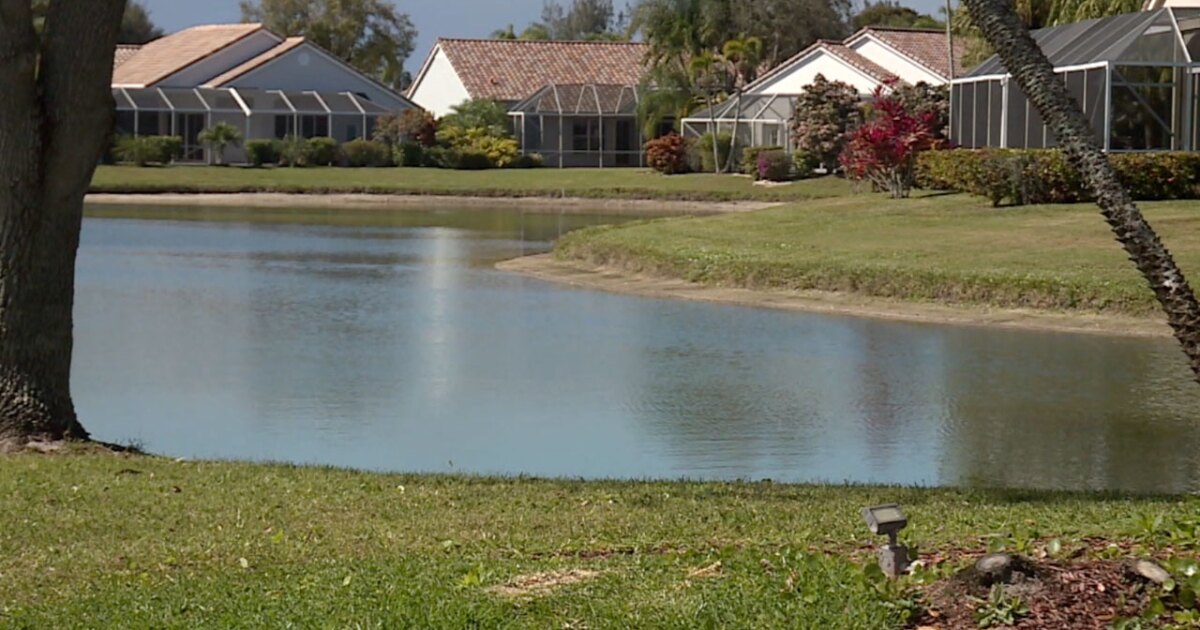
Florida suburban lakeside homes

Florida homeowners are getting long-awaited financial relief as the Florida Insurance Guaranty Association announces the early removal of its 1 percent emergency insurance surcharge, ending it two years ahead of schedule. This surcharge was originally placed on insurance bills after 10 companies went out of business, and it has remained for three years. Its early cancellation represents meaningful, real-world savings estimated at 650 million dollars over the next two years, or roughly 31 dollars annually for the average homeowner.

State officials note that several factors contributed to this early decision, including a calm 2025 hurricane season, no recent insurance company failures, and legislative reforms that reduced lawsuit volume. Together, these developments have created what many describe as the most stable insurance environment Florida has seen in nearly a decade.

“Floridas property insurance market today is in its strongest financial position in a decade.” – Mark Friedlander, Insurance Information Institute

The surcharge officially ends on October 1, marking a major turning point not only for homeowners, but for real estate professionals who depend on stable insurance markets to keep transactions flowing smoothly. Lower insurance costs increase buyer confidence, reduce friction during closings, and ultimately support a stronger property investment climate throughout the state.

What This Means for Real Estate and Licensing Professionals

For real estate agents, brokers, and mortgage professionals, this shift suggests a more consistent and predictable year ahead. Many buyers who were hesitant due to premium spikes may re-enter the market or pursue upgrades, creating new momentum for licensed professionals.

Students preparing for new or renewed real estate, insurance, or mortgage licenses can also benefit. Understanding these policy shifts gives future professionals a competitive advantage. At Cameron Academy, we embed real-world market changes directly into our success-focused curriculum. When the industry evolves, your education should evolve with it, and our programs are built to keep you aligned with current trends and opportunities.

Tap here to read the original WPTV report for full statewide reactions.

A Market Moving Toward Stability

While Floridas insurance market still faces challenges, the early end of the surcharge signals meaningful progress. With fewer lawsuits, stronger insurer performance, and quieter storm seasons, both homeowners and real estate professionals can enjoy a moment of optimism as stability returns to the market.

For anyone preparing to start or advance a career in Florida real estate or insurance, this moment represents opportunity. Cameron Academy proudly supports students across all 50 states with licensing programs built for real-world success, helping tomorrow’s professionals stay skilled, confident, and ready for what comes next.

More Articles

Getting licensed or staying ahead in your career can be a journey—but it doesn’t have to be overwhelming. Grab your favorite coffee or tea, take a moment to relax, and browse through our articles. Whether you’re just starting out or renewing your expertise, we’ve got tips, insights, and advice to keep you moving forward. Here’s to your success—one sip and one step at a time!

Florida Homeowners Finally Get a Break as Insurance Rates Begin to Drop

After years of soaring premiums and insurer instability, Florida’s property insurance market is finally turning a corner. Major carriers have filed 83 requests for rate decreases heading into 2026, with companies like Florida Peninsula and Patriot Select proposing cuts of 8.4% and 11.3%. Some homeowners may see relief as early as next month, signaling a long‑awaited shift toward market stability.

The Fix-and-Flip Comeback: Why 2026 Is Poised to Be a Breakout Year for Investors

Fix-and-flip investing is gearing up for one of its strongest years in a decade as 2026 approaches. With cheaper capital, more accessible funding, easing interest rates, and long-awaited increases in housing inventory, investors are finding the perfect environment to launch or scale renovation-based real estate businesses. Renovation continues to outpace new construction in cost and speed, and demand for move-in-ready homes remains high, making 2026 a powerful opportunity window for both new and experienced investors.

Falling Rents Today, Rising Pressures Tomorrow: A 2026 Rental Squeeze Is on the Horizon

After a short-lived period of relief in 2025, the U.S. rental market may be headed for a tighter, more expensive 2026. With construction starts dropping nearly 11% and completions plunging 42%, the surge of new apartments that helped lower rents is rapidly drying up. Rising costs, shrinking inventory, and a slowdown in new development point to a potential rental crunch that could leave renters facing heavier competition and higher prices across major markets next year.

The Biggest Opportunity in Real Estate Since 2008

The commercial real estate market is entering a rare reset that experts say mirrors the post‑2008 boom, creating a potential window for disciplined investors. With trillions in commercial debt coming due and property values dropping up to 40%, firms like AARE are positioning themselves to acquire assets below replacement cost—an advantage that could set the stage for significant long‑term growth.

Six for 2026: The Commercial Real Estate Shifts Already Reshaping the U.S.

Commercial real estate is entering a reinvention phase, with AI‑driven productivity, modernized office demand, experience‑focused retail, expanding industrial logistics, creative housing solutions, and sustainability‑centered design all accelerating nationwide. These six forces are shaping how investors, brokers, and future licensees will operate in a rapidly evolving U.S. market.

2026 Becomes the Turning Point: Innovation, Stability, and Upward Mobility Return

After years of economic uncertainty and cautious decision‑making, 2026 is shaping up to be the year professionals finally catch a break. AI is moving from buzzword to essential tool, capital markets are beginning to thaw, and hiring is picking up across real estate, mortgage, insurance, finance, and healthcare. With opportunity returning, many professionals are using this moment to upskill—pursuing new licenses, certifications, and cross‑industry expertise.