Florida Escrow Costs Are Skyrocketing — Here’s Why It Matters for Homeowners and Future Buyers

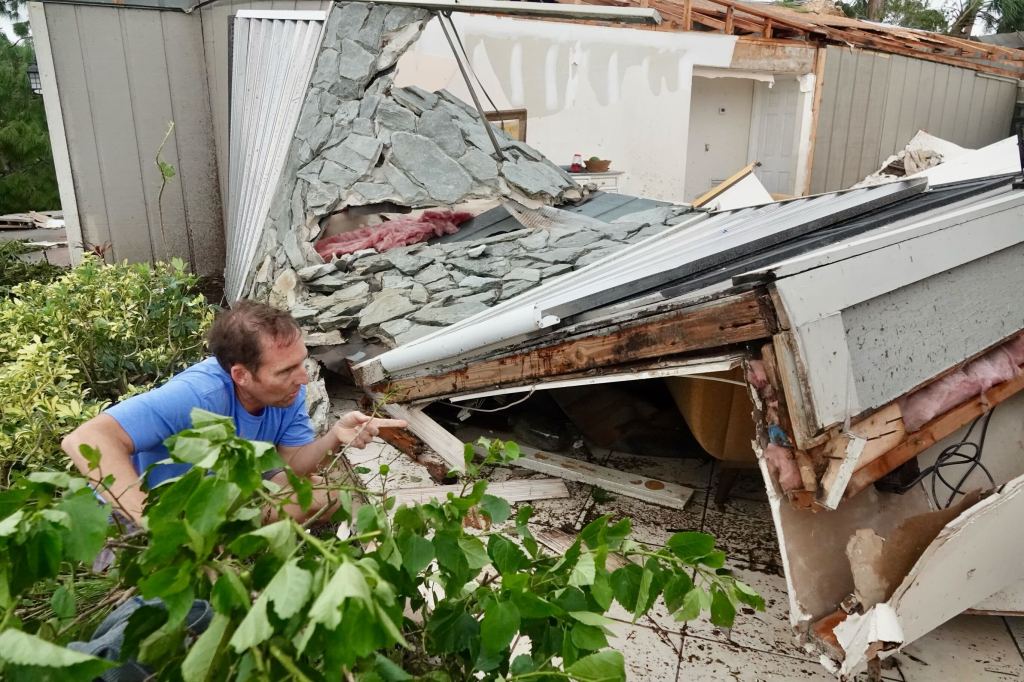
Storm-damaged florida home being demolished

Florida homeowners are facing a new financial reality: escrow costs are soaring faster here than anywhere else in the country. According to a fresh analysis from Realtor.com, escrow payments in Florida have surged 70% since 2019 — far outpacing the 45% national average increase.

The result? Nearly 38% of every monthly mortgage payment in Florida now goes to escrow alone. That means more than one‑third of what homeowners send their lenders each month is routed to property taxes and homeowners insurance, not principal or interest.

What’s Driving Florida’s Escrow Explosion?

The surge in escrow costs comes down to two forces hitting Florida harder than any other state: rapidly rising insurance premiums and increasing property taxes. Cotality (formerly CoreLogic), which conducted the analysis, points to Florida’s uniquely high hurricane, wind, and flood risk — and the multibillion‑dollar damage events that continue to batter the state.

According to Kiplinger, Florida now has the third-highest average annual homeowners insurance premium in the nation at $5,838. But in certain communities — like Tavernier in the Florida Keys — average premiums soar to nearly $19,000 per year.

As Cotality Principal Economist Archana Pradhan noted, rising escrow burdens are “reshaping the financial reality of homeownership,” squeezing fixed‑income residents and pricing out would‑be buyers.

How Does Florida Compare to Neighboring States?

Florida’s escrow spike tops the region, but nearby states are also feeling the pressure. According to related Realtor.com reports:

  • Louisiana escrow costs are up 63% since 2019
  • Alabama is up 62%
  • Georgia is up 58%

Still, none come close to Florida’s 70% spike — the largest increase in the United States.

Is Relief on the Way?

Yes — at least for some homeowners. In early January, Gov. Ron DeSantis announced that Citizens Property Insurance policyholders will see “meaningful premium reductions” beginning this spring. New state‑approved rates are expected to reduce premiums for more than 330,000 Floridians, with reductions averaging 8.7%.

Some counties will see even steeper drops:

  • Broward County: 14.1% reduction
  • Miami‑Dade County: 14.0% reduction
  • Palm Beach County: 11.9% reduction
  • Monroe County: 11.3% reduction

Several private insurers — including Florida Peninsula, Security First, and University Property & Casualty — have also announced plans to reduce rates under recent state reforms. Whether these changes will meaningfully offset escrow increases remains to be seen.

Quick Refresher: What Is Escrow?

Escrow is a portion of the mortgage payment that lenders collect each month to cover a homeowner’s property taxes and insurance costs. When those underlying expenses rise, monthly mortgage payments rise — even if the interest rate stays the same.

Why This Matters for Real Estate Professionals

With escrow now consuming more than a third of Floridians’ mortgage payments, buyers and agents must factor these rising costs into affordability calculations. Industry professionals who clearly understand insurance trends, tax impacts, and Florida’s shifting market conditions will be better positioned to guide clients through critical decisions.

If you’re entering the real estate field — or expanding your professional credentials — Cameron Academy offers flexible, trusted licensing and continuing education across Florida and all 50 states. Understanding topics like escrow, insurance, and property taxation isn’t just useful — it’s essential for long‑term success in today’s evolving market landscape.

For the full original report, visit the Daytona Beach News‑Journal, part of the USA TODAY Network.

More Articles

Getting licensed or staying ahead in your career can be a journey—but it doesn’t have to be overwhelming. Grab your favorite coffee or tea, take a moment to relax, and browse through our articles. Whether you’re just starting out or renewing your expertise, we’ve got tips, insights, and advice to keep you moving forward. Here’s to your success—one sip and one step at a time!

Real Estate Agents Embrace AI — But Confidence and Training Lag Behind

A new national survey shows that while most real estate agents now use AI for everyday tasks like writing listing descriptions and social posts, many remain uneasy trusting the technology with higher‑stakes responsibilities. Agents report major time savings and better communication thanks to AI, but lingering concerns about accuracy, compliance and data interpretation reveal a growing skills gap. The industry’s next big need: stronger AI tools, clearer standards and hands‑on training — a gap education providers like Cameron Academy are poised to fill.

Florida’s Property Insurance Crisis Is Spiraling—and Lawmakers Are Looking the Other Way

Florida homeowners and real estate professionals are being crushed by skyrocketing insurance premiums, shrinking coverage, and a claims system stacked against consumers. While residents face the highest insurance costs in the nation, meaningful reform bills are being ignored in Tallahassee, leaving families, businesses, and the entire real estate market exposed.

AI Forces Real Estate to Finally Fix Its Broken Data Systems

Artificial intelligence is exposing the real estate industry's biggest weakness: fragmented, inconsistent data scattered across disconnected systems. Unlike finance and e‑commerce, real estate never built a unified digital foundation—and now AI can’t function without one. As companies scramble to standardize information, organizations like OSCRE are pushing shared data models that could transform everything from leasing to property management. The result may be the industry’s most collaborative era yet, where clean, interoperable data becomes the key to unlocking AI’s full power.

Off‑Market Deals and Investor Demand Are Rewriting Residential Real Estate

Off‑market networks, rising small‑investor buying, regulatory shifts, and intensifying portal competition are reshaping how homes are found and sold. With inventory tight and traditional listings declining, agents who understand investor behavior, private deal flow, and evolving rules are gaining a major edge in today’s fast‑changing housing landscape.

Florida Homeowners Insurance Hits a “New Normal” as Costs Stay Painfully High

Despite state leaders celebrating stabilization, Florida homeowners continue to face some of the highest insurance premiums in the country. Local experts say rates have stopped skyrocketing but have settled at levels that feel permanently elevated—especially for older or coastal homes. With insurers still avoiding high‑risk areas and demanding costly home upgrades, many Floridians are questioning whether this expensive reality is here to stay.

New California Bill Would Require Insurers to Cover Homes Built to Wildfire‑Safety Standards

California is pushing a landmark proposal that would force insurers to offer coverage to homeowners who meet state‑approved wildfire‑mitigation standards. The new SB 1076, known as the Insurance Coverage for Fire‑Safe Homes Act, aims to stabilize the state’s distressed insurance market by guaranteeing coverage for fire‑hardened homes starting in 2028—backed by strict penalties for insurers who refuse. As supporters rally and critics warn of market strain, the bill could reshape real estate, insurance, and lending practices across wildfire‑prone regions.