Florida Escrow Payments Keep Rising — And Homeowners Are Feeling the Squeeze
Florida has always promised sunshine, ocean breezes, and that irresistible “why-live-anywhere-else” lifestyle. But beneath the palm trees, many homeowners are facing a far less relaxing reality: their escrow payments are jumping higher and faster than expected — all thanks to soaring insurance costs.
This growing trend, sometimes called escrow shock, is reshaping how Floridians budget and how the real estate market behaves. Whether you already own a home, are planning to buy, or work in the real estate profession, these shifts matter more than ever.
The Hidden Engine Driving Higher Monthly Payments
Most homeowners think of their mortgage payment as one simple number — but escrow is the quiet passenger in the equation. It covers property taxes and, more importantly right now, homeowners insurance. When insurance premiums rise, your escrow rises too. And in Florida, premiums haven’t just gone up — they’ve surged.
Storm risk, insurer withdrawals, litigation costs, and reinsurance pressures have created an environment where policies are more expensive and harder to secure. When insurers raise rates or leave the state, replacement policies often cost dramatically more. Those increases hit escrow accounts immediately, creating sudden, unavoidable spikes in monthly payments.
Insurance Costs Are Rewriting Florida’s Cost of Living
For years, Florida positioned itself as an affordable paradise. But rising insurance premiums are now one of the biggest threats to that reputation. Unlike typical cost-of-living increases, insurance jumps aren’t predictable or gradual. They come fast, they come big, and they come without warning.
Financial stability can flip overnight — even when incomes stay the same. For many households, insurance increases have become a new kind of economic pressure.
A family that felt financially stable last year may suddenly feel stretched thin today. That’s the new financial reality many Floridians are waking up to.
Impact on Buyers, Sellers, and the Housing Market
The effects of rising escrow payments extend far beyond current homeowners. Buyers must now qualify not only for the home price and interest rate, but also for the insurance-driven escrow portion. A home that looks affordable at first glance may become unattainable once insurance is factored in.
Sellers feel the pressure too. Higher monthly costs shrink the buyer pool — especially in coastal or high‑risk areas. In today’s market, a home’s insurance profile has become almost as important as its location.
Smart Moves Homeowners Can Make Right Now
While no one can control the insurance market, homeowners can take steps to reduce financial whiplash:
Review and compare insurance policies regularly.
Explore mitigation upgrades like reinforced roofs or impact‑resistant windows.
Budget for escrow variability instead of treating it as a fixed expense.
Stay informed about legislative updates and insurer changes within Florida.
These proactive strategies won’t erase rising costs, but they can soften the impact and strengthen financial readiness.
Escrow: The New Cost of Paradise?
Escrow may not be glamorous, but right now it’s one of the clearest indicators of Florida’s shifting housing landscape. Rising insurance costs are redefining what it truly takes to live in the Sunshine State — and how homeowners plan for the future.
Florida remains a dream destination for millions, but understanding the mechanics behind rising escrow payments is becoming essential for anyone looking to buy, sell, or maintain property here.
If you’re a real estate professional, learner, or future licensee, staying informed on trends like these is crucial. Institutions like Cameron Academy help individuals stay ahead of the industry curve with accessible, modern education across all 50 states.
Want to explore the original reporting? Visit our source at INKL for deeper insights.
Getting licensed or staying ahead in your career can be a journey—but it doesn’t have to be overwhelming. Grab your favorite coffee or tea, take a moment to relax, and browse through our articles. Whether you’re just starting out or renewing your expertise, we’ve got tips, insights, and advice to keep you moving forward. Here’s to your success—one sip and one step at a time!
November marked another cooldown for commercial real estate, with total deal volume dropping 10% year over year and falling below even 2020’s levels. While overall activity is slowing, investors are concentrating their money on bigger, more resilient assets—driving a 51% surge in deals over $100 million and pushing average transaction sizes well above historical norms. Multifamily remains the strongest sector, office deals are becoming more strategically focused, and medical office and data centers continue to outperform as long‑term demand stays solid.
After years of stalled activity, commercial real estate may finally be nearing a rebound. Experts say that expected interest‑rate drops in 2026 could reignite investor confidence, unlock sidelined capital, and boost deal flow across multiple sectors. But the outlook isn’t uniformly sunny—multifamily faces oversupply, industrial is cooling after years of rapid growth, and weakening employment conditions may slow absorption. For professionals across real estate, mortgage, insurance, and finance, the shifting landscape presents both challenges and major opportunities for those who stay informed and properly licensed.
Consumer Reports delivered a major warning to Congress, highlighting how rapidly expanding fintech tools—especially AI‑driven platforms—are outpacing consumer protections. In testimony before the House Subcommittee on Digital Assets, Financial Technology and AI, CR called for stronger, clearer rules to prevent hidden fees, predatory practices, and confusion within digital financial products. For professionals in real estate, mortgages, insurance, and finance, these emerging regulations may soon influence lending decisions, underwriting, credit evaluations, and compliance expectations across the industry.
Amazon is preparing to cut up to 30,000 corporate jobs by mid‑2026 as it pivots aggressively toward automation and AI. Following 14,000 layoffs in late 2025, the company is eliminating layers of management to redirect billions into robotics, generative AI systems, and supercomputing partnerships. While warehouse hiring continues for seasonal demand, Amazon’s internal shift reveals a broader nationwide trend: white‑collar roles across tech, finance, logistics, and more are being reshaped by automation at unprecedented speed.
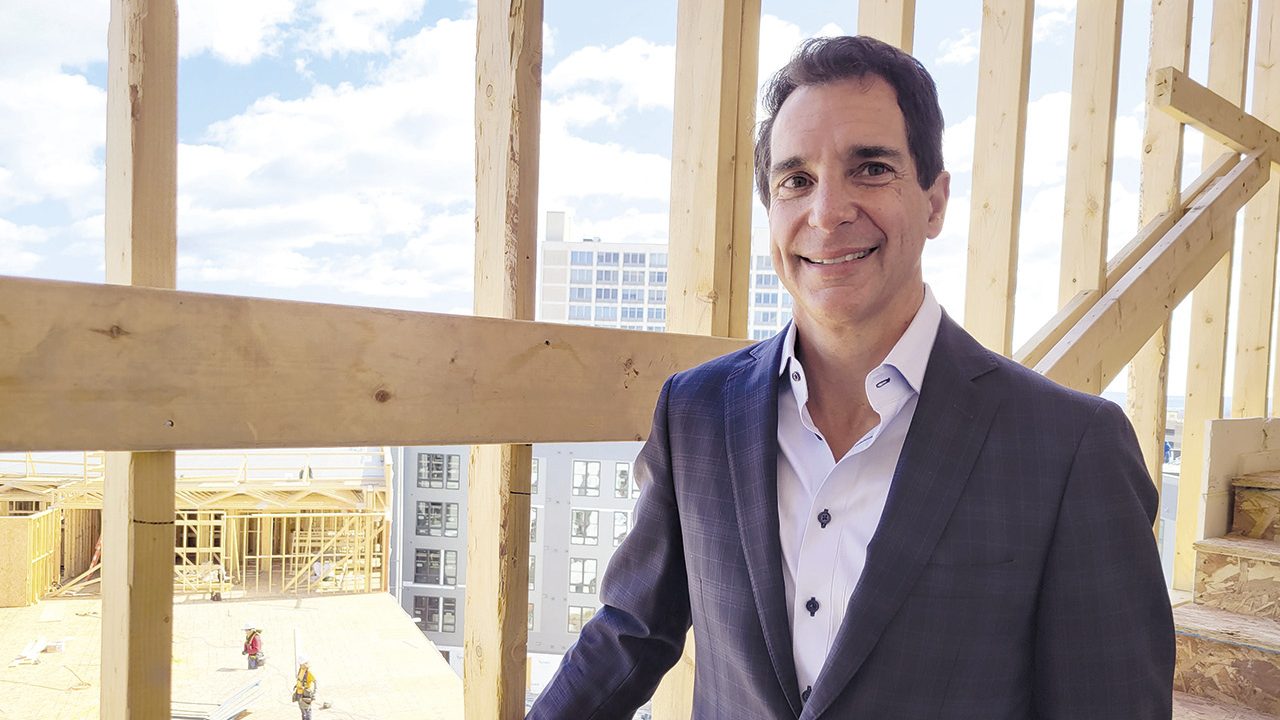
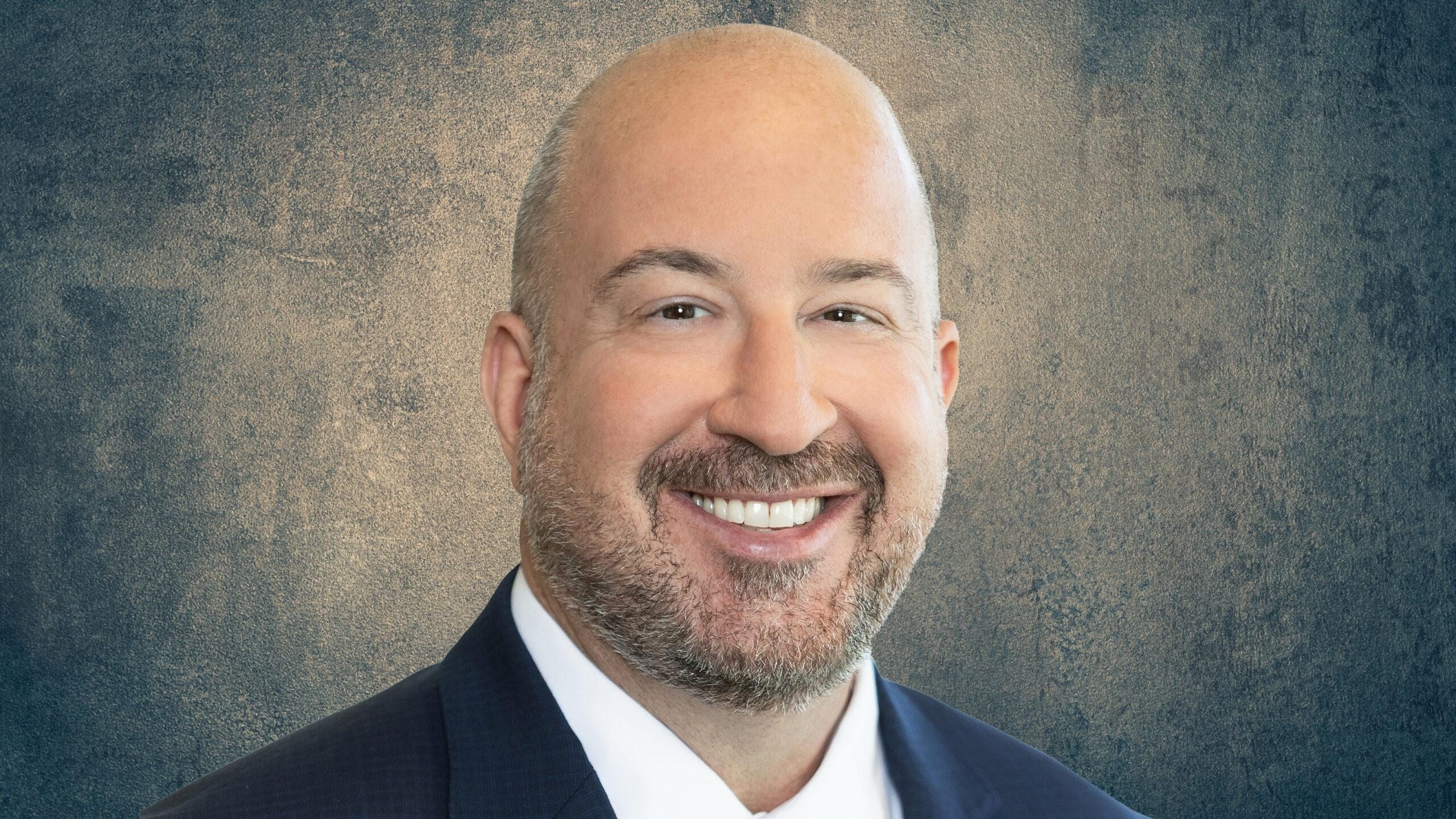
Florida’s real estate market enters 2026 with new leadership at the helm as Chuck Bonfiglio, broker-owner of AAA Realty Group, is officially installed as President of Florida Realtors. With more than 230,000 members behind the association, Bonfiglio highlights affordability, insurance reform, and taxes as key priorities while expressing optimism about easing mortgage rates, stabilizing prices, and growing inventory. Backed by years of statewide and national Realtor leadership, he aims to guide professionals through another transformative year alongside a newly appointed 2026 leadership team.
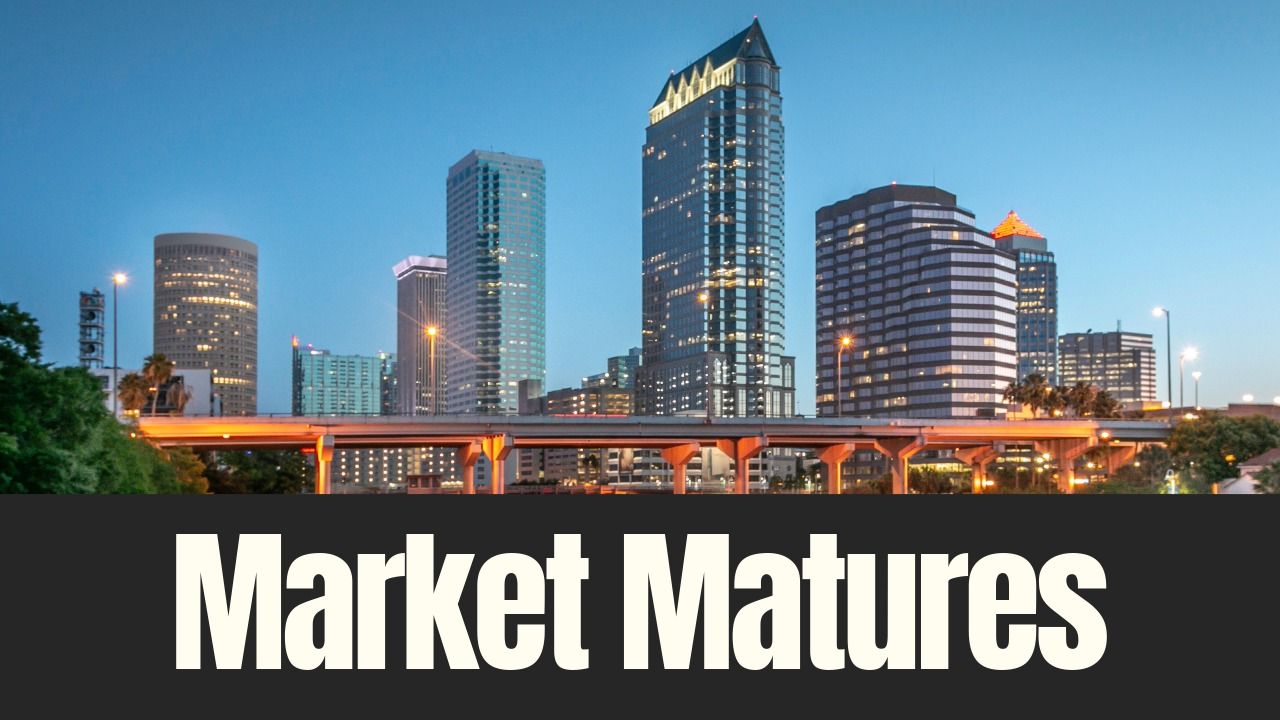
Tampa isn’t cooling off—it’s getting smarter. After years of rapid expansion, the city’s commercial real estate market has shifted into a more disciplined, selective phase. Population growth remains strong, office leasing is outperforming national trends, industrial activity is normalizing sustainably, and retail is seeing renewed investor confidence. With capital becoming more cautious and health care real estate emerging as a major growth sector, Tampa is entering a new era focused on strategy, execution, and long‑term fundamentals.