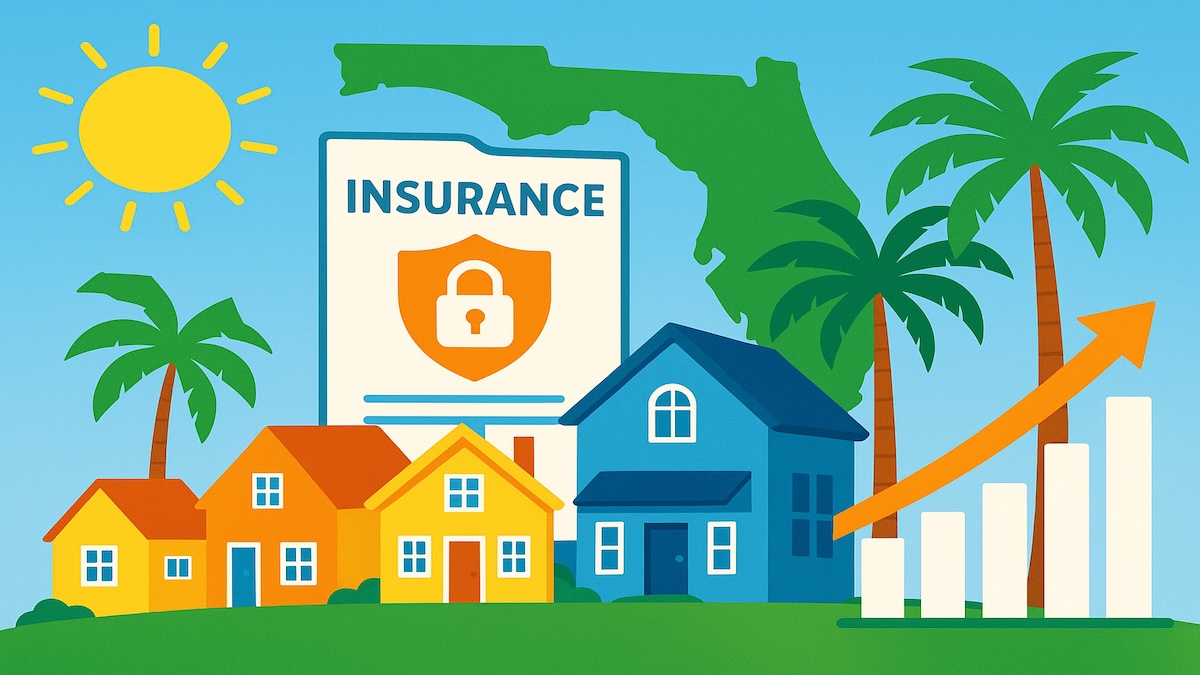
Florida Escrow Payments Keep Rising — And Homeowners Are Feeling the Squeeze
Florida has always promised sunshine, ocean breezes, and that irresistible “why-live-anywhere-else” lifestyle. But beneath the palm trees, many homeowners are facing a far less relaxing reality: their escrow payments are jumping higher and faster than expected — all thanks to soaring insurance costs.
This growing trend, sometimes called escrow shock, is reshaping how Floridians budget and how the real estate market behaves. Whether you already own a home, are planning to buy, or work in the real estate profession, these shifts matter more than ever.
The Hidden Engine Driving Higher Monthly Payments
Most homeowners think of their mortgage payment as one simple number — but escrow is the quiet passenger in the equation. It covers property taxes and, more importantly right now, homeowners insurance. When insurance premiums rise, your escrow rises too. And in Florida, premiums haven’t just gone up — they’ve surged.
Storm risk, insurer withdrawals, litigation costs, and reinsurance pressures have created an environment where policies are more expensive and harder to secure. When insurers raise rates or leave the state, replacement policies often cost dramatically more. Those increases hit escrow accounts immediately, creating sudden, unavoidable spikes in monthly payments.
Insurance Costs Are Rewriting Florida’s Cost of Living
For years, Florida positioned itself as an affordable paradise. But rising insurance premiums are now one of the biggest threats to that reputation. Unlike typical cost-of-living increases, insurance jumps aren’t predictable or gradual. They come fast, they come big, and they come without warning.
Financial stability can flip overnight — even when incomes stay the same. For many households, insurance increases have become a new kind of economic pressure.
A family that felt financially stable last year may suddenly feel stretched thin today. That’s the new financial reality many Floridians are waking up to.
Impact on Buyers, Sellers, and the Housing Market
The effects of rising escrow payments extend far beyond current homeowners. Buyers must now qualify not only for the home price and interest rate, but also for the insurance-driven escrow portion. A home that looks affordable at first glance may become unattainable once insurance is factored in.
Sellers feel the pressure too. Higher monthly costs shrink the buyer pool — especially in coastal or high‑risk areas. In today’s market, a home’s insurance profile has become almost as important as its location.
Smart Moves Homeowners Can Make Right Now
While no one can control the insurance market, homeowners can take steps to reduce financial whiplash:
Review and compare insurance policies regularly.
Explore mitigation upgrades like reinforced roofs or impact‑resistant windows.
Budget for escrow variability instead of treating it as a fixed expense.
Stay informed about legislative updates and insurer changes within Florida.
These proactive strategies won’t erase rising costs, but they can soften the impact and strengthen financial readiness.
Escrow: The New Cost of Paradise?
Escrow may not be glamorous, but right now it’s one of the clearest indicators of Florida’s shifting housing landscape. Rising insurance costs are redefining what it truly takes to live in the Sunshine State — and how homeowners plan for the future.
Florida remains a dream destination for millions, but understanding the mechanics behind rising escrow payments is becoming essential for anyone looking to buy, sell, or maintain property here.
If you’re a real estate professional, learner, or future licensee, staying informed on trends like these is crucial. Institutions like Cameron Academy help individuals stay ahead of the industry curve with accessible, modern education across all 50 states.
Want to explore the original reporting? Visit our source at INKL for deeper insights.
Getting licensed or staying ahead in your career can be a journey—but it doesn’t have to be overwhelming. Grab your favorite coffee or tea, take a moment to relax, and browse through our articles. Whether you’re just starting out or renewing your expertise, we’ve got tips, insights, and advice to keep you moving forward. Here’s to your success—one sip and one step at a time!
President Trump recently suggested mortgage rates will drop “a lot lower” by early 2026, sparking industry-wide curiosity — but current economic data tells a more measured story. With today’s 30‑year fixed hovering near 6.25%, experts say meaningful declines remain possible, though not guaranteed, and would depend on softer inflation, weaker economic signals, or a shift in bond market behavior. While political comments created headlines, analysts emphasize that only market conditions — not rhetoric — can drive rates down. Independent forecasts already point toward mid‑5% rates by 2026, offering a potentially healthier landscape for buyers, agents, and mortgage professionals preparing for the next cycle.
Artificial intelligence has moved from a futuristic concept to a central force driving today’s mortgage industry. From smarter underwriting to enhanced borrower experiences and tighter compliance, AI is transforming every corner of mortgage lending. As expectations rise and competition accelerates, AI literacy is no longer optional — it’s a core skill every mortgage, real estate and finance professional must master to stay relevant and lead confidently.
Global commercial real estate is shifting away from short-term recovery cycles and entering a long-term transformation driven by technology, sustainability, demographic change, and evolving work‑life patterns. Capital is becoming more selective, favoring resilient assets and alternative lenders, while high‑demand sectors such as industrial, logistics, data infrastructure, and specialized residential continue to outperform. Geography, sustainability standards, and flexibility are emerging as defining forces for the next cycle, signaling major opportunities—and challenges—for real estate professionals preparing for the future.
Artificial intelligence has moved from hype to essential infrastructure in the real estate world. From smarter valuations and predictive analytics to automated lead generation and personalized property-matching tools, AI is transforming how agents, brokers, lenders, and managers operate. As top platforms like Zillow, Redfin, Opendoor, and dozens more integrate deep‑learning technology, professionals across real estate, mortgage, insurance, and finance are being pushed to adapt. The future belongs to those who embrace these tools — and use them to elevate speed, accuracy, and client experience.
Florida’s once‑troubled property insurance market has staged an impressive recovery after its near‑collapse in 2022. A new ALIRT Insurance Research report shows that legislative reforms, tighter underwriting and the arrival of new insurers have restored stability, reduced Citizens’ policy load and revived industry confidence. While risks remain, the rebound is reshaping housing affordability and creating fresh opportunities for real estate, mortgage and insurance professionals.
A new bill gaining momentum in Tallahassee would stop insurers from denying claims based solely on artificial intelligence. Championed by Rep. Hillary Cassell, the proposal aims to restore trust in Florida’s troubled insurance market by ensuring human oversight in decisions that affect homeowners, newcomers, and industry professionals. As debates intensify, experts warn AI is reshaping insurance faster than ever—making it critical for real estate, mortgage, and insurance professionals to understand the regulatory shifts ahead.