Florida Escrow Payments Keep Rising — And Homeowners Are Feeling the Squeeze
Florida has always promised sunshine, ocean breezes, and that irresistible “why-live-anywhere-else” lifestyle. But beneath the palm trees, many homeowners are facing a far less relaxing reality: their escrow payments are jumping higher and faster than expected — all thanks to soaring insurance costs.
This growing trend, sometimes called escrow shock, is reshaping how Floridians budget and how the real estate market behaves. Whether you already own a home, are planning to buy, or work in the real estate profession, these shifts matter more than ever.
The Hidden Engine Driving Higher Monthly Payments
Most homeowners think of their mortgage payment as one simple number — but escrow is the quiet passenger in the equation. It covers property taxes and, more importantly right now, homeowners insurance. When insurance premiums rise, your escrow rises too. And in Florida, premiums haven’t just gone up — they’ve surged.
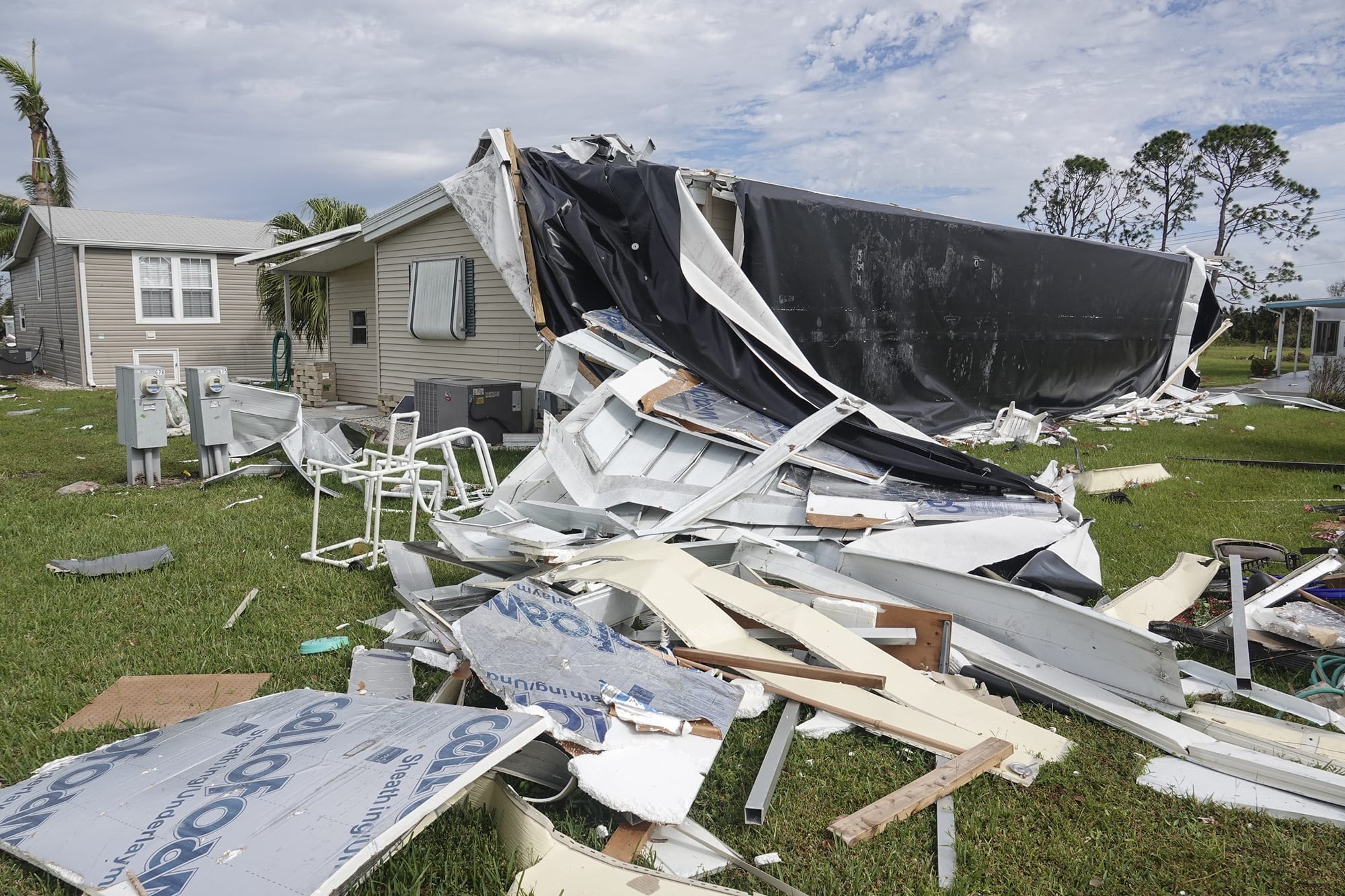
Storm risk, insurer withdrawals, litigation costs, and reinsurance pressures have created an environment where policies are more expensive and harder to secure. When insurers raise rates or leave the state, replacement policies often cost dramatically more. Those increases hit escrow accounts immediately, creating sudden, unavoidable spikes in monthly payments.
Insurance Costs Are Rewriting Florida’s Cost of Living
For years, Florida positioned itself as an affordable paradise. But rising insurance premiums are now one of the biggest threats to that reputation. Unlike typical cost-of-living increases, insurance jumps aren’t predictable or gradual. They come fast, they come big, and they come without warning.
Financial stability can flip overnight — even when incomes stay the same. For many households, insurance increases have become a new kind of economic pressure.
A family that felt financially stable last year may suddenly feel stretched thin today. That’s the new financial reality many Floridians are waking up to.
Impact on Buyers, Sellers, and the Housing Market
The effects of rising escrow payments extend far beyond current homeowners. Buyers must now qualify not only for the home price and interest rate, but also for the insurance-driven escrow portion. A home that looks affordable at first glance may become unattainable once insurance is factored in.
Sellers feel the pressure too. Higher monthly costs shrink the buyer pool — especially in coastal or high‑risk areas. In today’s market, a home’s insurance profile has become almost as important as its location.
Smart Moves Homeowners Can Make Right Now
While no one can control the insurance market, homeowners can take steps to reduce financial whiplash:
Review and compare insurance policies regularly.
Explore mitigation upgrades like reinforced roofs or impact‑resistant windows.
Budget for escrow variability instead of treating it as a fixed expense.
Stay informed about legislative updates and insurer changes within Florida.
These proactive strategies won’t erase rising costs, but they can soften the impact and strengthen financial readiness.
Escrow: The New Cost of Paradise?
Escrow may not be glamorous, but right now it’s one of the clearest indicators of Florida’s shifting housing landscape. Rising insurance costs are redefining what it truly takes to live in the Sunshine State — and how homeowners plan for the future.
Florida remains a dream destination for millions, but understanding the mechanics behind rising escrow payments is becoming essential for anyone looking to buy, sell, or maintain property here.
If you’re a real estate professional, learner, or future licensee, staying informed on trends like these is crucial. Institutions like Cameron Academy help individuals stay ahead of the industry curve with accessible, modern education across all 50 states.
Want to explore the original reporting? Visit our source at INKL for deeper insights.
Getting licensed or staying ahead in your career can be a journey—but it doesn’t have to be overwhelming. Grab your favorite coffee or tea, take a moment to relax, and browse through our articles. Whether you’re just starting out or renewing your expertise, we’ve got tips, insights, and advice to keep you moving forward. Here’s to your success—one sip and one step at a time!
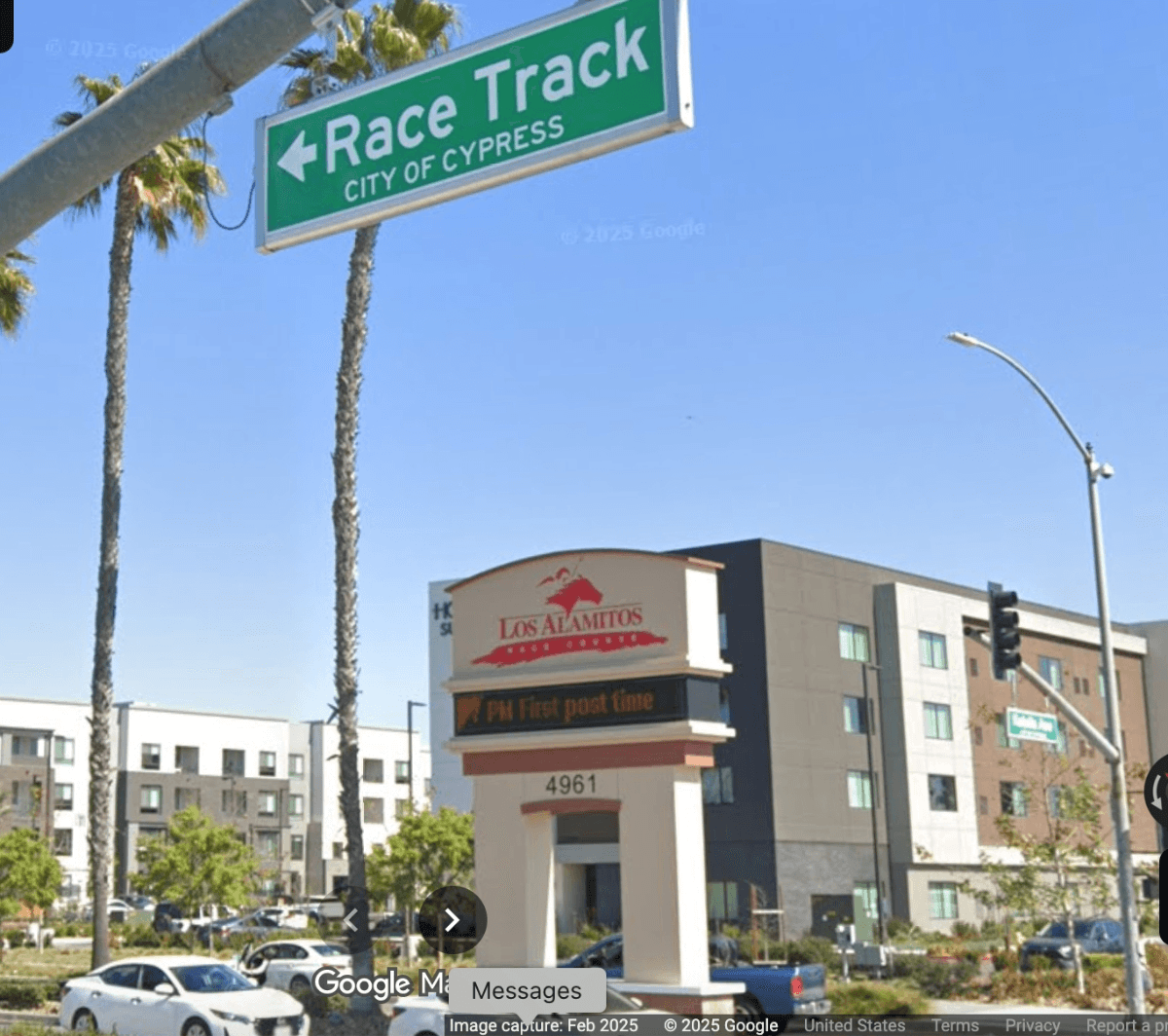
Los Alamitos Race Course is facing its most serious crisis in years after 18 horses died in 2025, prompting regulators to warn the track that its racing license is at risk without immediate safety reforms. Following three catastrophic injuries in a single day, the California Horse Racing Board has ordered urgent changes—including more veterinarians, stricter medication rules, and enhanced on‑track medical support—as pressure mounts for stronger oversight in a sport already under national scrutiny.
Canadian investors have poured more than US$5.8 billion into U.S. commercial real estate this year, making the U.S. their top destination even amid a lingering tariff dispute. Tight inventory in Canada and greater deal availability south of the border are driving the trend, with data centers and industrial properties emerging as the hottest targets for 2025.
Florida’s insurance commissioner says even industry pros struggle to read today’s 150‑page homeowners policies—leaving residents shocked when hurricane claims are denied. With rising premiums, high replacement costs, and widespread confusion over exclusions like flood and water damage, the state is pushing for simpler, clearer policy language so homeowners know what they’re actually covered for before the next storm hits.
Following the 2025 elections, major metros like New York, Chicago, Miami, Los Angeles, and Boston are implementing policy shifts that could reshape property values, rental income, development timelines, and investment strategy heading into 2026. From New York’s push toward aggressive rent reform to Chicago’s sustainability mandates and Miami’s uncertain mayoral runoff, these changes signal a new era where local politics increasingly dictate market performance. This breakdown highlights the biggest post‑election real estate pivots and what they mean for investors, agents, and finance professionals preparing for a rapidly evolving landscape.
Florida’s Insurance Commissioner is sounding the alarm after thousands of homeowners discovered—only after hurricanes Helene and Milton—that the coverage they thought they had didn’t exist. With nearly 150,000 unpaid claims tied to misunderstood flood exclusions, water‑damage caps, and buried policy clauses, state leaders are pushing to simplify the dense, confusing documents most Floridians never read. As insurance costs remain one of the state’s top concerns, this growing complexity is creating a massive opportunity for real estate, mortgage, and insurance professionals to guide consumers before disaster strikes.
Florida’s insurance market is reliving an old crisis under a new name. Despite reforms meant to stabilize the system, homeowners are being forced out of Citizens and into pricier policies from small insurers with shaky financial histories. Companies tied to past insolvencies are returning with fresh branding, while highly rated carriers continue to deny a majority of claims. With political influence muddying regulation and climate risks rising, experts warn that only a full structural overhaul—not cosmetic reforms—can restore confidence for homeowners, agents, and the entire real estate market.