Florida Flood Insurance Costs Surge as Other States Drop Coverage
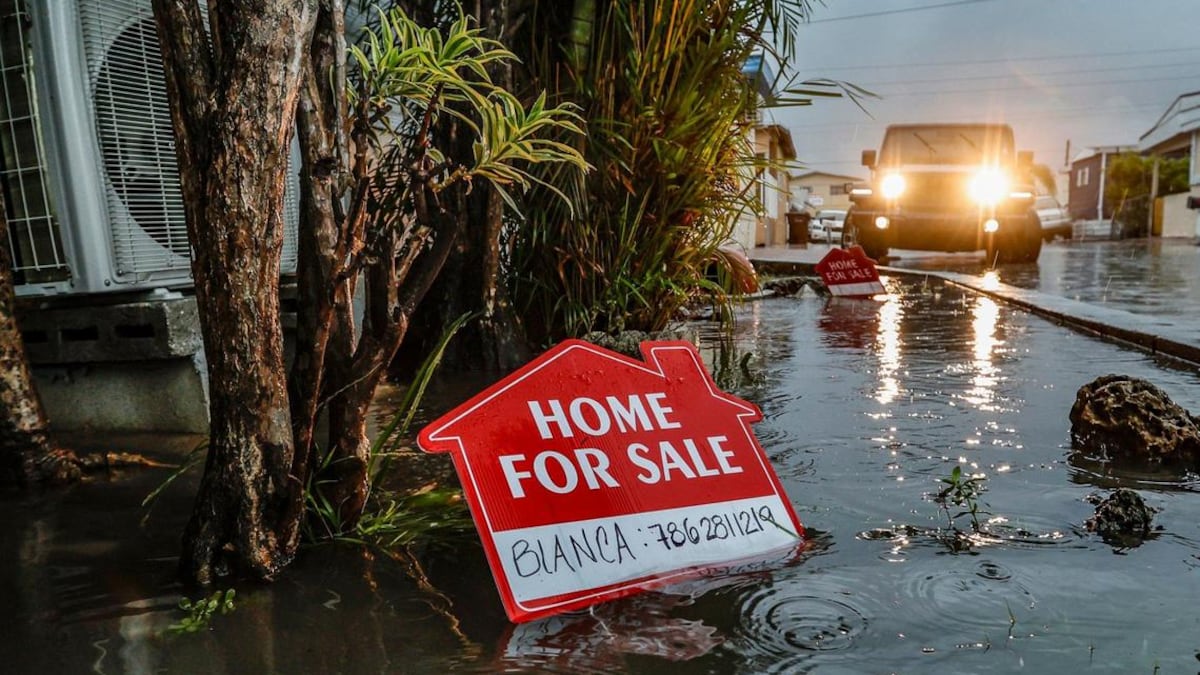
Flood insurance costs in Florida are climbing faster than ever, leaving homeowners and real estate professionals scrambling to understand — and adapt to — an increasingly unpredictable financial landscape. With the National Flood Insurance Program now carrying more than $22 billion in debt and climate-driven rainfall intensifying each year, the cost of protecting flood‑prone properties is reaching unprecedented levels.
Meanwhile, a surprising national trend is making matters worse: homeowners in other states are abandoning flood policies altogether. As participation drops, remaining policyholders — particularly in high‑risk states like Florida — absorb more of the burden.
What Rising Flood Costs Mean for Florida Real Estate
For buyers and sellers, soaring insurance premiums can reshape affordability overnight. Real estate professionals report more deals stalling due to unexpectedly high insurance quotes. Lenders are also tightening requirements in flood‑vulnerable zones, adding layers of complexity to the closing process.
For professionals in real estate, lending, insurance, and related fields, this is a moment where knowledge truly equals power. Cameron Academy continues to help industry experts stay ahead through relevant licensing programs and continuing education — giving them the tools needed to navigate Florida’s evolving flood‑risk landscape.
Did You Know?
The National Flood Insurance Program’s financial stress is so severe that further premium adjustments are expected nationwide — especially in coastal states like Florida.
A System Under Pressure
The strain on the NFIP reflects a broader sustainability issue. With fewer policyholders contributing and more high‑risk claims being filed, the program’s long‑term future is becoming a key point of national debate.
For Florida — where flood exposure is not just possible but inevitable — participation remains high, but the price tag continues to climb. As rising seas and intense rainfall reshape risk maps, professionals across the housing and finance ecosystem must stay informed and adaptable.
This report was originally published by the Tampa Bay Times.
You can explore the full story here:
Getting licensed or staying ahead in your career can be a journey—but it doesn’t have to be overwhelming. Grab your favorite coffee or tea, take a moment to relax, and browse through our articles. Whether you’re just starting out or renewing your expertise, we’ve got tips, insights, and advice to keep you moving forward. Here’s to your success—one sip and one step at a time!
"The challenges faced by the PropTech industry are vast, ranging from data security and regulatory compliance to the implementation of sustainable practices. Yet, technologies such as Artificial Intelligence (AI), Virtual Reality (VR), Internet of Things (IoT), and Blockchain are pivotal in addressing these hurdles."
The commercial real estate sector is poised to emerge from recent tumultuous years, armed with insights and strategies to better position itself for the future. According to a detailed analysis by Deloitte, the 2025 outlook offers a roadmap for industry leaders to navigate the evolving landscape.
The IRS is ushering in a new era of tax reporting that will significantly affect freelancers, small business owners, and anyone who earns income through third-party payment apps like Venmo or PayPal. These changes are embodied in the form of adjusted thresholds for the Form 1099-K, a tax document used to report income from such platforms. Previously, this form was only required for those earning at least $20,000 annually through these services. However, new phased-in rules will reduce this threshold to $600 by 2026, starting with earnings over $5,000 in 2024.
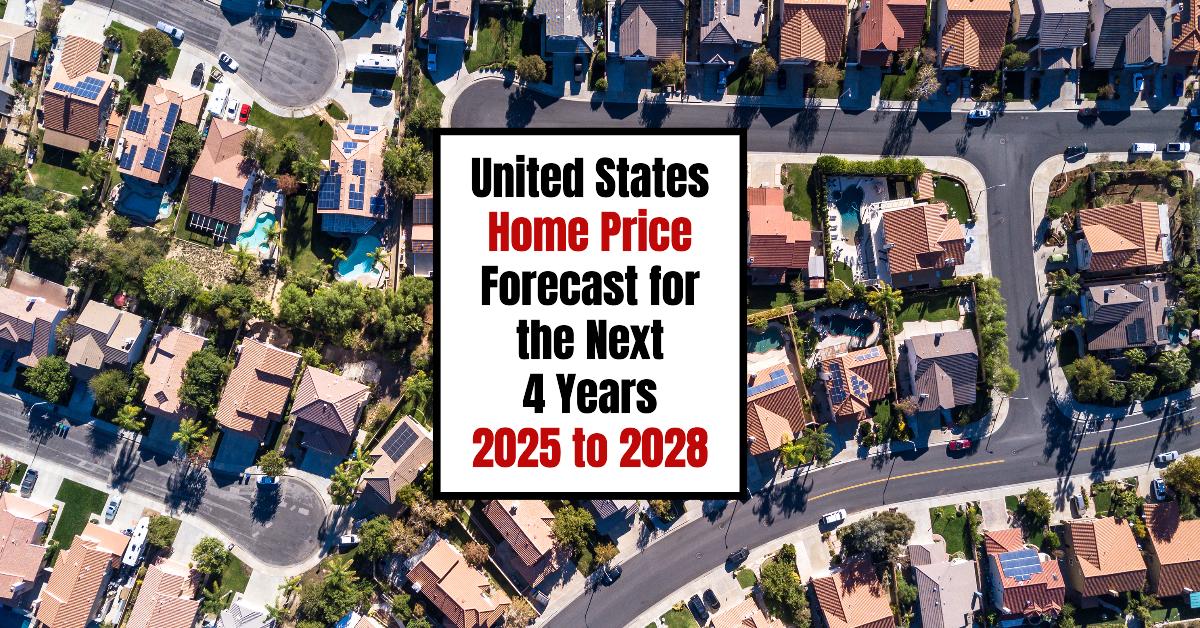
As we look to the horizon of the U.S. housing market, Fannie Mae's Home Price Expectations Survey offers a crucial glimpse into the coming years. Compiled from the insights of over 100 housing experts, this survey predicts notable changes in home prices from 2025 to 2028. The analysis, originally detailed by Norada Real Estate Investments, suggests a shift in market dynamics that could impact homeowners and investors alike.