Florida Flood Insurance Costs Surge as Other States Drop Coverage
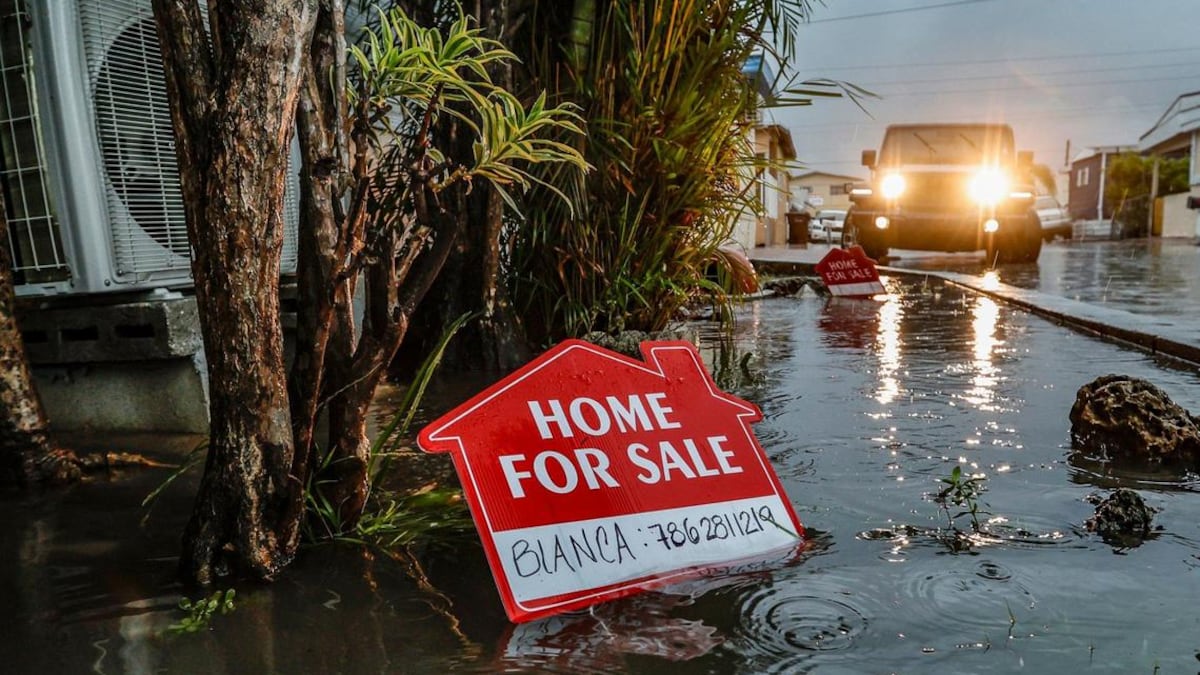
Flood insurance costs in Florida are climbing faster than ever, leaving homeowners and real estate professionals scrambling to understand — and adapt to — an increasingly unpredictable financial landscape. With the National Flood Insurance Program now carrying more than $22 billion in debt and climate-driven rainfall intensifying each year, the cost of protecting flood‑prone properties is reaching unprecedented levels.
Meanwhile, a surprising national trend is making matters worse: homeowners in other states are abandoning flood policies altogether. As participation drops, remaining policyholders — particularly in high‑risk states like Florida — absorb more of the burden.
What Rising Flood Costs Mean for Florida Real Estate
For buyers and sellers, soaring insurance premiums can reshape affordability overnight. Real estate professionals report more deals stalling due to unexpectedly high insurance quotes. Lenders are also tightening requirements in flood‑vulnerable zones, adding layers of complexity to the closing process.
For professionals in real estate, lending, insurance, and related fields, this is a moment where knowledge truly equals power. Cameron Academy continues to help industry experts stay ahead through relevant licensing programs and continuing education — giving them the tools needed to navigate Florida’s evolving flood‑risk landscape.
Did You Know?
The National Flood Insurance Program’s financial stress is so severe that further premium adjustments are expected nationwide — especially in coastal states like Florida.
A System Under Pressure
The strain on the NFIP reflects a broader sustainability issue. With fewer policyholders contributing and more high‑risk claims being filed, the program’s long‑term future is becoming a key point of national debate.
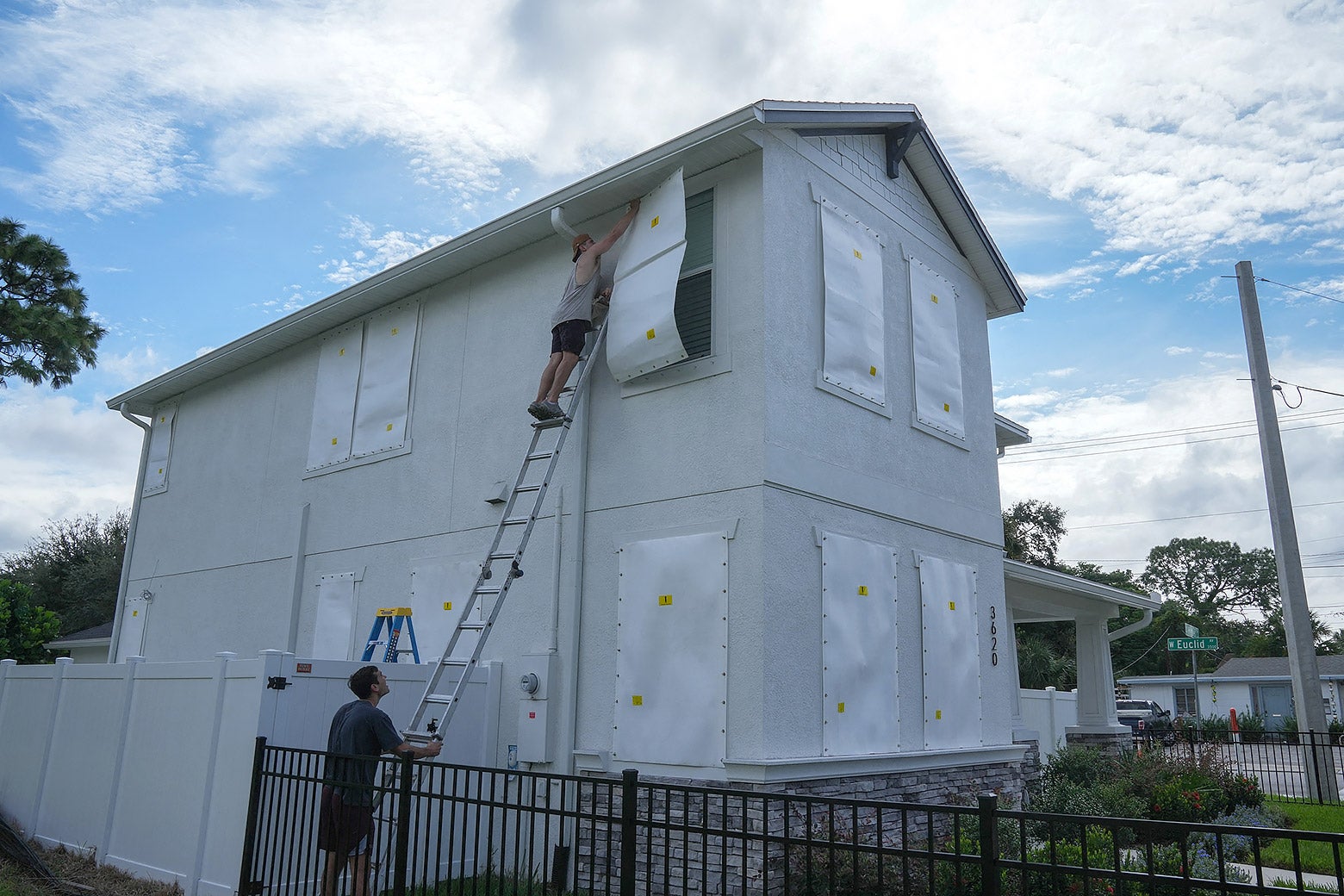
For Florida — where flood exposure is not just possible but inevitable — participation remains high, but the price tag continues to climb. As rising seas and intense rainfall reshape risk maps, professionals across the housing and finance ecosystem must stay informed and adaptable.
This report was originally published by the Tampa Bay Times.
You can explore the full story here:
Getting licensed or staying ahead in your career can be a journey—but it doesn’t have to be overwhelming. Grab your favorite coffee or tea, take a moment to relax, and browse through our articles. Whether you’re just starting out or renewing your expertise, we’ve got tips, insights, and advice to keep you moving forward. Here’s to your success—one sip and one step at a time!
In the rapidly evolving landscape of telehealth, recent legislative updates have set the stage for significant changes, particularly impacting healthcare providers, Medicaid, and digital health companies.
In the ever-evolving world of commercial real estate, the year 2024 is marked by a significant shift in investment trends, driven by the insights of renowned investor Charlie Munger.
Despite the increasing frequency and intensity of hurricanes, wealthy homeowners in Florida seem unfazed. In fact, the impact of these natural disasters on the housing market is reshaping the demographic landscape, but not in the way one might expect.
On July 19, 2024, CrowdStrike became a household topic due to a flawed software update affecting millions of computers, significantly impacting the aviation sector with thousands of flight cancellations and substantial financial losses.
"The 10 largest U.S. cities have lost around 2 million residents in the past three years, shrinking their tax base and perpetuating what is termed an 'urban doom loop.'"
In a transformative move towards enhancing housing affordability and tenant security, California is poised to introduce significant legislative changes in 2024. These changes, encapsulated in Senate Bill 567 and Assembly Bill 12, promise to reshape the landscape for landlords and tenants alike.