Florida Flood Insurance Costs Surge as Other States Drop Coverage
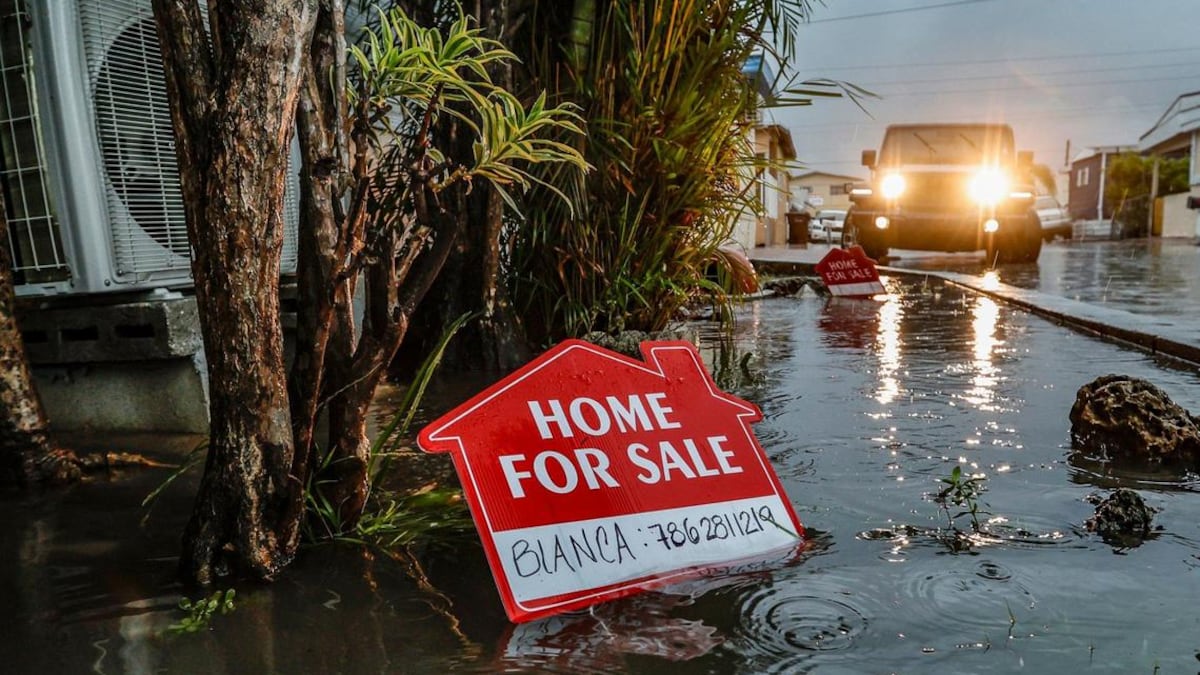
Flood insurance costs in Florida are climbing faster than ever, leaving homeowners and real estate professionals scrambling to understand — and adapt to — an increasingly unpredictable financial landscape. With the National Flood Insurance Program now carrying more than $22 billion in debt and climate-driven rainfall intensifying each year, the cost of protecting flood‑prone properties is reaching unprecedented levels.
Meanwhile, a surprising national trend is making matters worse: homeowners in other states are abandoning flood policies altogether. As participation drops, remaining policyholders — particularly in high‑risk states like Florida — absorb more of the burden.
What Rising Flood Costs Mean for Florida Real Estate
For buyers and sellers, soaring insurance premiums can reshape affordability overnight. Real estate professionals report more deals stalling due to unexpectedly high insurance quotes. Lenders are also tightening requirements in flood‑vulnerable zones, adding layers of complexity to the closing process.
For professionals in real estate, lending, insurance, and related fields, this is a moment where knowledge truly equals power. Cameron Academy continues to help industry experts stay ahead through relevant licensing programs and continuing education — giving them the tools needed to navigate Florida’s evolving flood‑risk landscape.
Did You Know?
The National Flood Insurance Program’s financial stress is so severe that further premium adjustments are expected nationwide — especially in coastal states like Florida.
A System Under Pressure
The strain on the NFIP reflects a broader sustainability issue. With fewer policyholders contributing and more high‑risk claims being filed, the program’s long‑term future is becoming a key point of national debate.
For Florida — where flood exposure is not just possible but inevitable — participation remains high, but the price tag continues to climb. As rising seas and intense rainfall reshape risk maps, professionals across the housing and finance ecosystem must stay informed and adaptable.
This report was originally published by the Tampa Bay Times.
You can explore the full story here:
Getting licensed or staying ahead in your career can be a journey—but it doesn’t have to be overwhelming. Grab your favorite coffee or tea, take a moment to relax, and browse through our articles. Whether you’re just starting out or renewing your expertise, we’ve got tips, insights, and advice to keep you moving forward. Here’s to your success—one sip and one step at a time!
A new CNBC Fed Survey reveals that economists expect just two additional interest rate cuts in 2026 and none in 2027, even if President Donald Trump appoints a more dovish Federal Reserve chair. Strong economic growth, stable inflation, and reduced recession fears are keeping rate‑cut expectations limited, signaling a more stable long‑term environment for real estate, mortgage, and financial professionals.
A nationwide insurance crisis is accelerating as climate‑driven disasters push premiums higher, force insurers out of multiple states, and reshape real estate and mortgage markets. Once limited to Florida and California, the instability now threatens 15 states where losses, extreme weather, and insurer withdrawals are creating mounting risks for homeowners and industry professionals alike.
Commercial real estate is entering 2026 with a cautious but strategic shift. Companies are ditching oversized offices in favor of smaller, higher‑quality spaces packed with amenities that attract today’s workforce. Downtown markets like Portland remain steady, while suburban vacancies rise and landlords get creative with incentives. Industrial real estate is cooling after years of explosive growth, and developers are hesitating—though multifamily and hotel projects continue to push forward. Overall, the theme of the year is patience, as businesses wait for clearer signals on interest rates, construction costs, and long‑term workplace trends.
A new study from leading urban scholars reveals that zoning laws and construction slowdowns aren’t the true cause of America’s housing crisis. Even with massive building booms, rents would barely drop for decades. The real culprit? Soaring economic inequality. Until the widening wealth gap is addressed, policies like upzoning and deregulation won’t make housing affordable for working Americans—and may even push prices higher.
Cambio, a fast‑growing AI proptech company, has secured an $18 million Series A at a $100 million valuation, aiming to overhaul how commercial real estate firms process documents and make investment decisions. By converting messy PDFs, spreadsheets, and audit files into investor‑ready insights in minutes, the platform is rapidly expanding—now active in 35 countries and managing data for over 2 billion square feet of assets.
Florida’s insurance market is finally showing signs of real recovery heading into 2026. Industry leaders say recent legal reforms have sharply reduced lawsuits, allowing insurers to stabilize rates — and even introduce reductions for the first time in years. With new companies entering the state and solvency at its strongest level in more than a decade, real estate and mortgage professionals may benefit from improved buyer confidence and smoother closings as insurance becomes more predictable again.