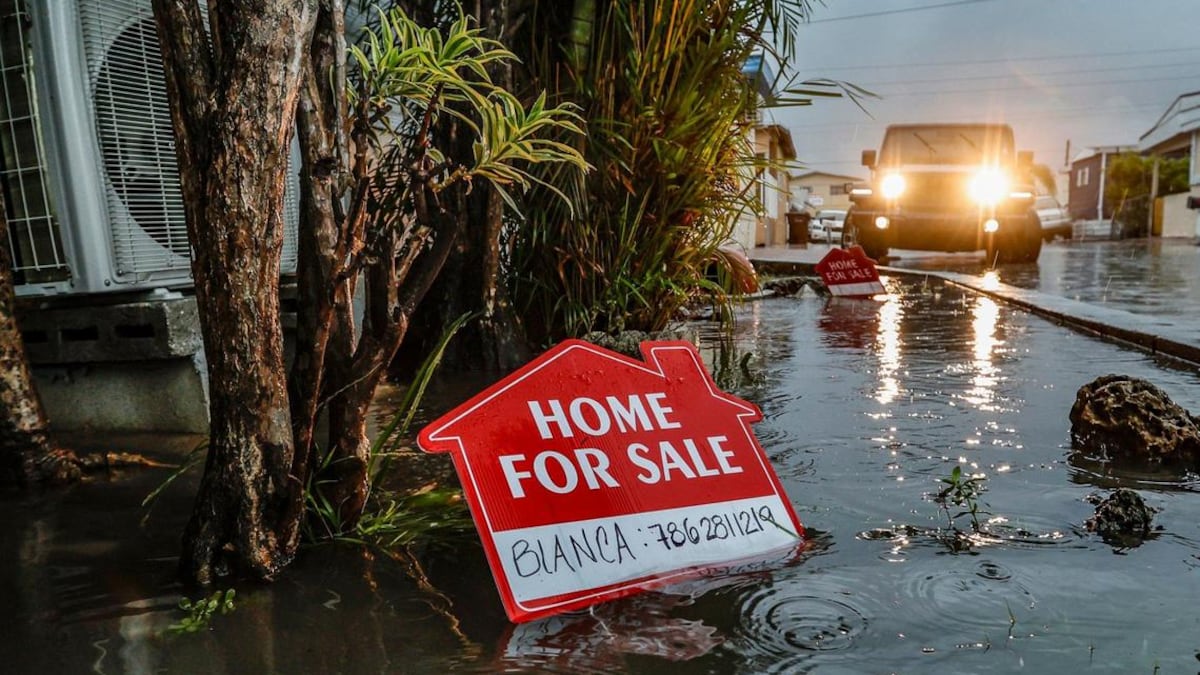
Florida Flood Insurance Costs Surge as Other States Drop Coverage
Flood insurance costs in Florida are climbing faster than ever, leaving homeowners and real estate professionals scrambling to understand — and adapt to — an increasingly unpredictable financial landscape. With the National Flood Insurance Program now carrying more than $22 billion in debt and climate-driven rainfall intensifying each year, the cost of protecting flood‑prone properties is reaching unprecedented levels.
Meanwhile, a surprising national trend is making matters worse: homeowners in other states are abandoning flood policies altogether. As participation drops, remaining policyholders — particularly in high‑risk states like Florida — absorb more of the burden.
What Rising Flood Costs Mean for Florida Real Estate
For buyers and sellers, soaring insurance premiums can reshape affordability overnight. Real estate professionals report more deals stalling due to unexpectedly high insurance quotes. Lenders are also tightening requirements in flood‑vulnerable zones, adding layers of complexity to the closing process.
For professionals in real estate, lending, insurance, and related fields, this is a moment where knowledge truly equals power. Cameron Academy continues to help industry experts stay ahead through relevant licensing programs and continuing education — giving them the tools needed to navigate Florida’s evolving flood‑risk landscape.
Did You Know?
The National Flood Insurance Program’s financial stress is so severe that further premium adjustments are expected nationwide — especially in coastal states like Florida.
A System Under Pressure
The strain on the NFIP reflects a broader sustainability issue. With fewer policyholders contributing and more high‑risk claims being filed, the program’s long‑term future is becoming a key point of national debate.
For Florida — where flood exposure is not just possible but inevitable — participation remains high, but the price tag continues to climb. As rising seas and intense rainfall reshape risk maps, professionals across the housing and finance ecosystem must stay informed and adaptable.
This report was originally published by the Tampa Bay Times.
You can explore the full story here:
Getting licensed or staying ahead in your career can be a journey—but it doesn’t have to be overwhelming. Grab your favorite coffee or tea, take a moment to relax, and browse through our articles. Whether you’re just starting out or renewing your expertise, we’ve got tips, insights, and advice to keep you moving forward. Here’s to your success—one sip and one step at a time!
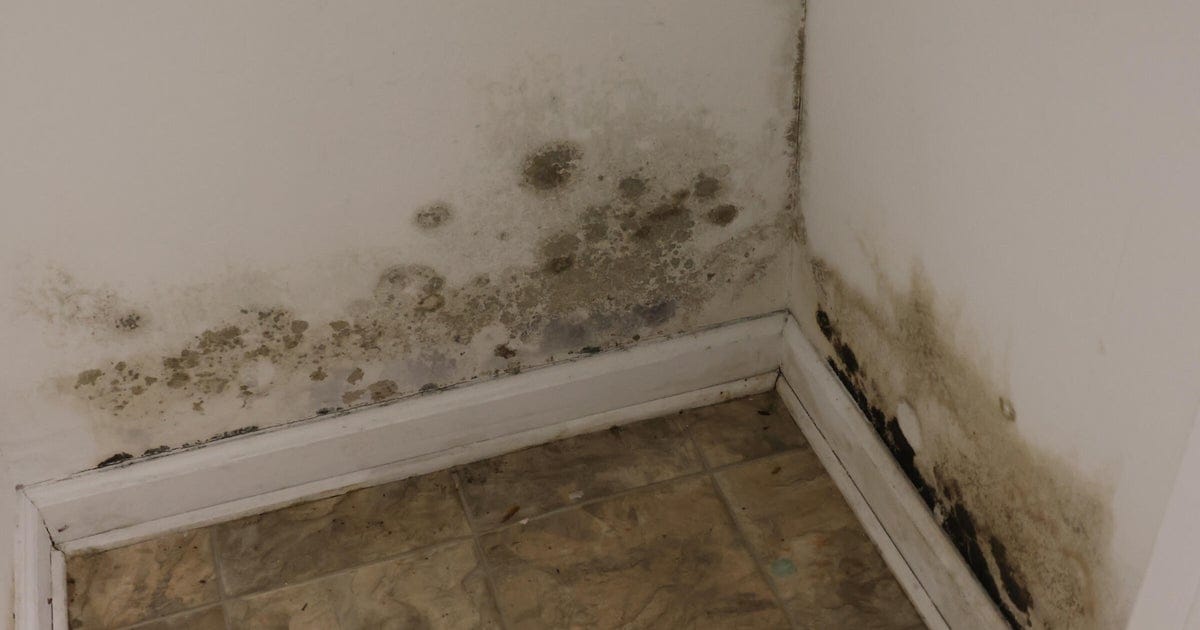
Extreme storms are triggering a surge in hidden mold growth across nearly half of U.S. homes, creating a growing health and financial emergency for families and real estate professionals. From rapid post‑storm mold development to soaring remediation costs, this silent threat is reshaping property safety, insurance challenges, and the future of housing in high‑risk regions.
A Florida consumer has filed a class action accusing Rocket Mortgage of repeatedly calling her even after confirming her opt‑out request, marking the company’s 56th TCPA‑related lawsuit. The complaint claims Rocket continued outreach for nearly three weeks—despite a STOP confirmation—and could impact more than 10,000 consumers nationwide.
Mortgage rates rose for the third straight week, reaching their highest level in a month and triggering a 5.2% drop in overall mortgage applications. Refinance activity slid 7%, purchase demand dipped 2%, and analysts say uncertainty in the bond market is keeping rates on a choppy path. Despite the pullback, today’s loan activity still sits well above last year’s lows, signaling that buyers remain active—but increasingly cautious.
Florida has approved a 6.9% reduction in workers’ compensation insurance rates for 2026, marking the ninth straight year of decreases. The cut, signed by Insurance Commissioner Mike Yaworsky, takes effect January 1 and lowers costs for all new and renewal policies. State officials say the trend reflects improved workplace safety and will help businesses reduce expenses and support growth across industries including real estate, construction, and property management.
Mortgage rates are dipping, inventory is soaring, and—for the first time in years—buyers have real leverage. While home prices remain at record highs and the economy feels unpredictable, rising inventory and cooling rates are creating rare opportunities for financially ready buyers. If you’ve been waiting for the market to open a door, this may be your moment to step through.
Miami developers are pitching 'safe spaces' for millionaires amid fears of a political shift in New York City. Concerns over higher taxes and crime are prompting some New Yorkers to consider relocating south.