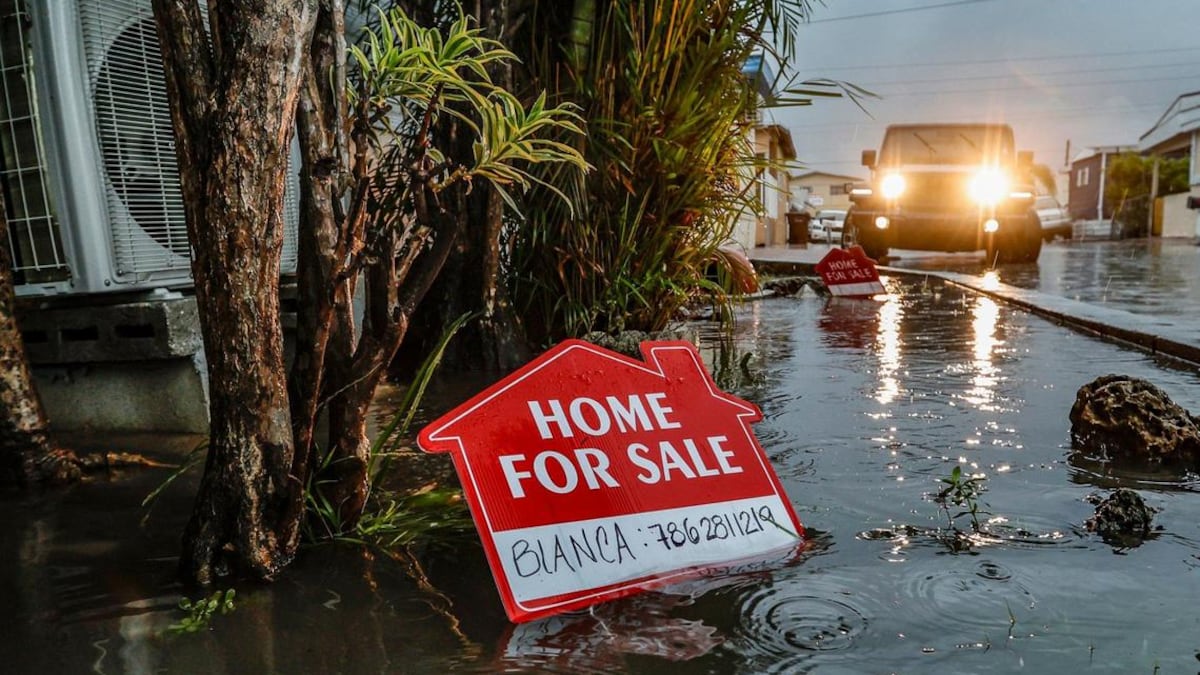
Florida Flood Insurance Costs Surge as Other States Drop Coverage
Flood insurance costs in Florida are climbing faster than ever, leaving homeowners and real estate professionals scrambling to understand — and adapt to — an increasingly unpredictable financial landscape. With the National Flood Insurance Program now carrying more than $22 billion in debt and climate-driven rainfall intensifying each year, the cost of protecting flood‑prone properties is reaching unprecedented levels.
Meanwhile, a surprising national trend is making matters worse: homeowners in other states are abandoning flood policies altogether. As participation drops, remaining policyholders — particularly in high‑risk states like Florida — absorb more of the burden.
What Rising Flood Costs Mean for Florida Real Estate
For buyers and sellers, soaring insurance premiums can reshape affordability overnight. Real estate professionals report more deals stalling due to unexpectedly high insurance quotes. Lenders are also tightening requirements in flood‑vulnerable zones, adding layers of complexity to the closing process.
For professionals in real estate, lending, insurance, and related fields, this is a moment where knowledge truly equals power. Cameron Academy continues to help industry experts stay ahead through relevant licensing programs and continuing education — giving them the tools needed to navigate Florida’s evolving flood‑risk landscape.
Did You Know?
The National Flood Insurance Program’s financial stress is so severe that further premium adjustments are expected nationwide — especially in coastal states like Florida.
A System Under Pressure
The strain on the NFIP reflects a broader sustainability issue. With fewer policyholders contributing and more high‑risk claims being filed, the program’s long‑term future is becoming a key point of national debate.
For Florida — where flood exposure is not just possible but inevitable — participation remains high, but the price tag continues to climb. As rising seas and intense rainfall reshape risk maps, professionals across the housing and finance ecosystem must stay informed and adaptable.
This report was originally published by the Tampa Bay Times.
You can explore the full story here:
Getting licensed or staying ahead in your career can be a journey—but it doesn’t have to be overwhelming. Grab your favorite coffee or tea, take a moment to relax, and browse through our articles. Whether you’re just starting out or renewing your expertise, we’ve got tips, insights, and advice to keep you moving forward. Here’s to your success—one sip and one step at a time!
The Securities and Exchange Commission (SEC), through its Division of Examinations, has unveiled its 2025 examination priorities, reflecting a comprehensive focus on areas such as private fund advisers, Regulation Best Interest (Reg BI) compliance, and cybersecurity.
Realtor.com has taken a proactive stance by providing a comprehensive toolkit designed to empower agents with the knowledge and resources necessary to navigate fair housing practices effectively.
The University of North Carolina at Chapel Hill continues to solidify its reputation for excellence in graduate education, as evidenced by the recent U.S. News & World Report's 2025 "Best Graduate Schools" list.
As we venture further into 2025, the landscape of shopping continues to evolve with a fascinating dynamic between online and in-store experiences. According to a recent article from Business.com, the retail sector is witnessing a significant shift in consumer preferences, with approximately 59% of consumers favoring online shopping while 41% still prefer traditional in-store purchases.
On December 28, 2024, the Centers for Medicare & Medicaid Services (CMS) enacted a long-anticipated final rule that significantly revises laboratory personnel requirements under Subpart M of the Clinical Laboratory Improvement Amendments (CLIA). This marks the first major overhaul since 1992, impacting all clinical laboratory personnel engaged in moderate- or high-complexity laboratory tests.