Florida Flood Insurance Costs Surge: What Homeowners and Real Estate Pros Need to Know

Flood insurance premiums across Florida have climbed sharply, leaving many homeowners — especially those in high-risk coastal and low-lying areas — facing dramatically higher annual bills. With FEMA’s Risk Rating 2.0 now fully implemented, more than 80% of Floridians insured through the National Flood Insurance Program (NFIP) are seeing their costs rise.
According to Insurify, some counties like Franklin have experienced premium increases exceeding $3,500 per year. Florida was already the most expensive state for homeowners insurance — with median premiums nearing $11,000 annually — and rising flood insurance only intensifies the pressure.
Quick Facts
- Average annual flood premium: $2,213
- Federal NFIP building protection: up to $250,000
- Annual premium increase cap: up to 18% for primary residences
Do You Actually Need Flood Insurance in Florida?
Florida law doesn’t require flood insurance for everyone, but most homeowners still need it due to the state’s high exposure to hurricanes, storm surge, and seasonal flooding. If you have a federally backed mortgage and live in an SFHA, coverage is mandatory.
Additionally, since 2022, Citizens Property Insurance Corporation requires policyholders to carry flood insurance regardless of zone.
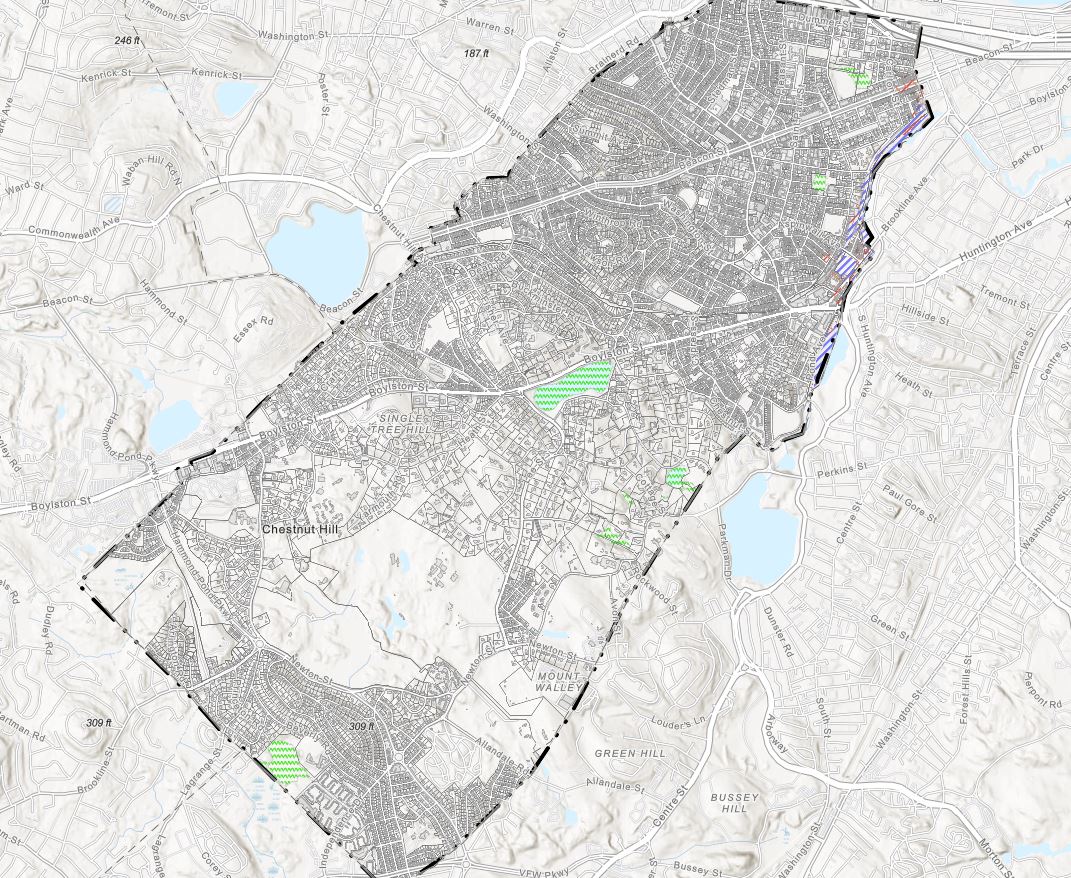
Check Your Flood Zone (Interactive Map)
Use FEMA’s map to view your property’s flood zone instantly: FEMA Flood Mapping Tool.
Understanding Florida’s Flood Zones
Zones beginning with A or V represent high-risk areas. FEMA evaluates several factors — flood history, elevation, proximity to water, and regional infrastructure — when determining your risk rating.
The Real Cost of Florida Flood Insurance
Risk Rating 2.0 moved Florida from generalized flood zones to individualized property risk analysis. Premiums now consider:
- Elevation and distance from water
- Levee and structural performance
- Building characteristics & replacement cost
- Local development activity
Statewide averages sit at $2,213, but costs vary dramatically — from $659 in Marion County to $4,622 in Monroe County.
View Florida County-by-County Flood Insurance Costs
A snapshot of extremes across the state:
- Lowest: Highlands County — $598
- Highest: Franklin County — $5,195
- Major Metro: Miami-Dade — $1,611
Full dataset available via Insurify’s FEMA-backed research.
Will Florida’s Flood Insurance Rates Keep Rising?
Yes — for most homeowners. FEMA continues transitioning to risk-based pricing, with increases capped at 18% (primary homes) and 25% (secondary/commercial).
As climate patterns shift and aging infrastructure encounters stronger storms, ratings — and premiums — will likely continue rising.
What Flood Insurance Covers
NFIP policies include two main coverage types:
Building Coverage Includes:
- Electrical and plumbing systems
- HVAC equipment
- Refrigerators, dishwashers, stoves
- Built-in cabinets, carpeting, and paneling
- Foundations, staircases, garages
- Fuel tanks, solar systems, well pumps
Contents Coverage Includes:
- Personal belongings
- Laundry appliances
- Portable AC units
- Microwaves
- Non-permanent carpets
- Valuables up to $2,500
What Flood Insurance Doesn’t Cover
- Temporary housing or living expenses
- Outdoor structures and landscaping
- Business interruption
- Cash, gold, precious metals
- Vehicles and basement-stored items
How to Get Flood Insurance in Florida
- Confirm local eligibility
Check FEMA’s Community Status Book.
- Contact your insurance agent
Most can issue NFIP policies directly.
- Select your protection level
Choose building coverage, contents coverage, or both.
Why This Matters for Real Estate Professionals
If you’re working in Florida real estate — or preparing to — flood insurance literacy is essential. Clients rely on you to explain premiums, risk zones, and long-term financial expectations.
This is one reason many future agents choose Cameron Academy, where training emphasizes real-world risks, consumer guidance, and market expertise that set professionals apart.
Flood Insurance FAQs
What’s the average cost?
About $2,213 statewide.
What’s the new Florida flood insurance law?
All Citizens policyholders must carry flood insurance, regardless of zone.
Which companies offer flood insurance?
NFIP partners with 31 insurers including Allstate, Farmers, and USAA.
How do I know if I need it?
If your mortgage is federally backed and your home is in an SFHA, it’s mandatory.
Source & Further Reading
This article draws on research by Insurify using FEMA risk models and insurer data. Explore the full source here:
Insurify: Florida Flood Insurance Guide
For licensing, continuing education, or Florida real estate exam prep, visit Cameron Academy.