Florida Home Insurance Rates May Finally Drop in 2026 — Here’s What Professionals Need To Know
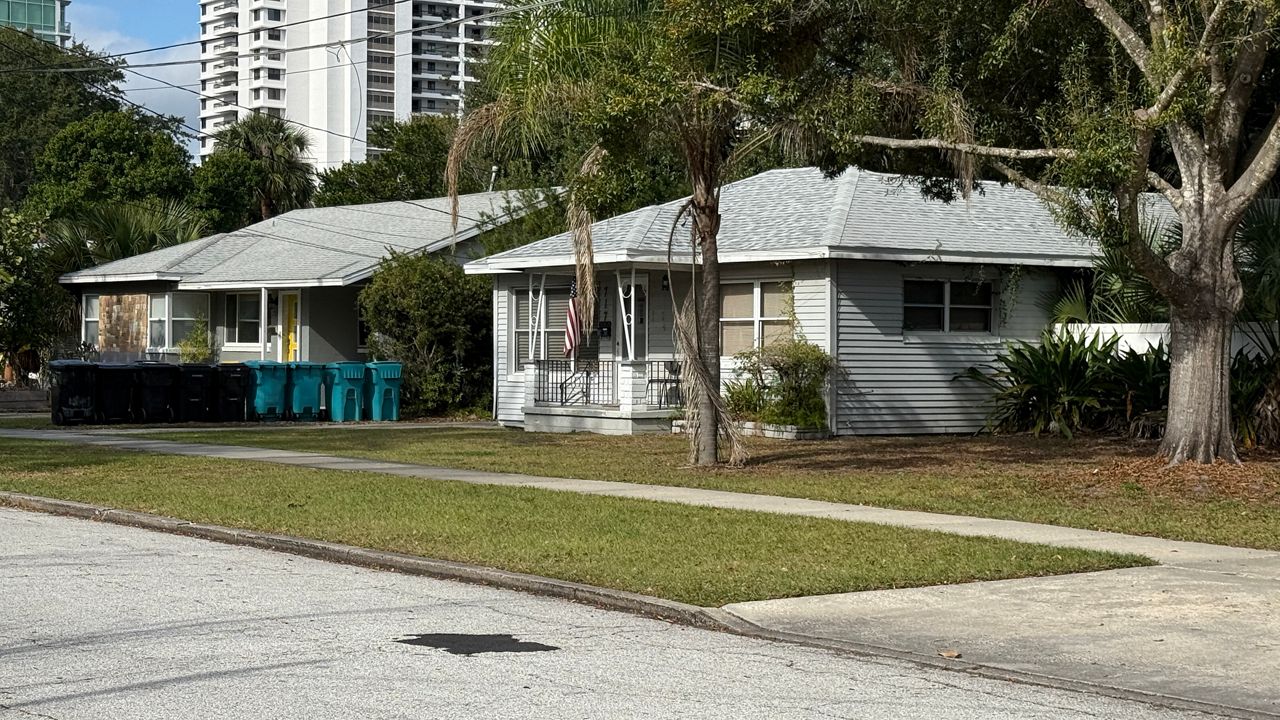
Florida home neighborhood

At long last… Florida homeowners may be catching a much‑needed break. As 2025 comes to a close, several insurance companies are proposing real premium reductions for 2026. After years of soaring rates, rising deductibles, insurer exits, and widespread frustration, the Florida insurance market is showing early signs of actual recovery — and in some cases, even dramatic improvement.

Quick Highlights

  • Florida’s 2022 insurance reforms are finally producing tangible results.
  • Citizens Property Insurance may reduce premiums for the first time since 2015.
  • Some insurers propose double‑digit decreases depending on location.
  • Private companies are returning to Florida with competitive pricing.

Why Rates Are Dropping for Many Homeowners

John Tankersley of Pine Street Insurance — a seasoned expert with nearly three decades in the field — explains that the market is healthier than it has been in years. According to him, more companies are submitting rate‑decrease filings to state regulators, marking a significant shift from the relentless premium escalations of the past decade.

Here are some of the proposed cuts for 2026:

  • State Farm: 10% statewide reduction
  • Florida Peninsula Insurance: 8.4% average reduction
  • Patriot Select Insurance: 11.3% reduction

State regulators have already approved premium reductions for Heritage Property and Casualty Insurance Company: 9.6% in Seminole County and 7% in Osceola County.

What’s Driving the Change?

Heritage CEO Ernie Garateix reports that improved hurricane‑loss data over the past three years has given insurers a clearer picture of expected risks. This stability allows companies to adjust premiums in a more accurate — and often lower — direction.

That said, savings won’t be universal. Rates will still vary heavily by ZIP code, claims history, and local loss ratios.

Citizens Insurance Also Proposes Cuts

Florida’s insurer of last resort, Citizens Property Insurance, is proposing a statewide average decrease of 2.6%. Even more promising, approximately 60% of policyholders may see reductions averaging 11.5%, pending approval.

As private carriers re-enter the market, thousands of Citizens policyholders are now receiving private-sector offers once again — something many haven’t seen in years.

Tip: Tankersley reminds homeowners they are not required to accept private offers. His advice: “Call your agent and shop around.”

What This Means for Real Estate and Insurance Professionals

Lower premiums can help drive affordability, increase loan approvals, and boost buyer confidence — opening doors for more successful closings and smoother transactions. For mortgage and real estate professionals, 2026 may usher in a much‑needed market revival.

Professionals looking to strengthen or expand their licensing in this improving environment can explore programs at Cameron Academy, a leader in real estate, mortgage, and insurance education across Florida and nationwide. Staying informed and credentialed is a powerful way to stay ahead as the market evolves.

Source

Full article available at Spectrum News 13: https://mynews13.com/fl/orlando/news/2025/12/19/more-home-insurance-companies-plan-rate-decreases-for-2026


More Articles

Getting licensed or staying ahead in your career can be a journey—but it doesn’t have to be overwhelming. Grab your favorite coffee or tea, take a moment to relax, and browse through our articles. Whether you’re just starting out or renewing your expertise, we’ve got tips, insights, and advice to keep you moving forward. Here’s to your success—one sip and one step at a time!

The Future of Commercial Real Estate: What 2030 Could Really Look Like

Commercial real estate is entering a decade of major transformation driven by interest rate pressures, evolving work culture, rapid proptech innovation, and growing demand for AI-focused infrastructure. While the global CRE market is projected to reach $133.5 trillion by 2028, rising rates, shifting office demand, and increasing sustainability requirements are reshaping how professionals invest, manage, and develop properties. By 2030, the biggest opportunities will center on mixed‑use conversions, data center growth, premium office spaces, and ESG‑driven upgrades.

NAR’s Antitrust Settlement Reshapes Real Estate: What Every Agent Needs to Know

The National Association of Realtors’ landmark antitrust settlement is transforming how real estate agents negotiate compensation, work with buyers, and handle transparency in transactions. With MLS‑posted buyer‑broker commissions eliminated and written buyer agreements now required, both consumers and professionals are navigating a new, more transparent landscape. While commission levels have only dipped slightly, the real shift is in how openly compensation is discussed and negotiated—creating new challenges and opportunities for agents who adapt quickly.

AI Supercharges Proptech in 2025: A Market Maturing at High Speed

Artificial intelligence is no longer a novelty in real estate — 2025 marks its breakthrough year as a dependable pillar of the proptech industry. With investors pouring capital into AI‑powered forecasting, security, automation, and property management tools, the sector is shifting from experimentation to full‑scale adoption. Brokerages, developers, and institutional players now rely on AI to streamline due diligence, enhance market modeling, reduce risk, and optimize building operations. As adoption accelerates, professionals who understand and leverage these technologies are gaining a decisive competitive edge in fast‑moving markets like Florida.

Too Many Cooks in the Kitchen? The 2026 Insurance Outlook Everyone’s Watching

A new episode of Current Account breaks down why the insurance industry is heading into 2026 with more uncertainty — and more opportunity — than ever. From shifting global regulations and rising catastrophe risks to FSOC’s evolving role in the U.S., industry leaders Jérôme Haegeli and Philippe Brahin explain how insurers are being pushed to rethink strategy in real time. With global premium growth expected to slow and regulatory pressures rising, professionals in insurance and financial services are turning to education and new skills to stay ahead in a rapidly changing market.

New Jersey’s Commercial Real Estate Boom: The Surprising Power Move Shaping 2026

New Jersey is quietly becoming one of the hottest commercial real estate markets in the nation, with Jersey City and North Jersey breaking into the top 10 in PwC’s 2026 Emerging Trends report. Fueled by redevelopment momentum, data‑center demand, mixed‑use transformations and a surge in health‑care projects, the state is drawing major investors while still battling rising construction costs and municipal fatigue. For real estate professionals, the Garden State’s evolution signals fresh opportunity—and a market worth watching closely heading into 2026.

NCOIL Challenges Trump’s AI Order, Warning of Major Impacts on Insurance Regulation

The National Council of Insurance Legislators is pushing back against President Trump’s new executive order on artificial intelligence, arguing that it threatens decades of state‑based insurance oversight. NCOIL leaders say federal attempts to centralize AI authority could disrupt markets, weaken consumer protections, and limit states’ ability to innovate—setting the stage for a significant legal and political battle with major implications for insurance professionals who rely on AI‑driven tools and regulatory clarity.