Florida Home Insurance Rates May Finally Drop in 2026 — Here’s What Professionals Need To Know
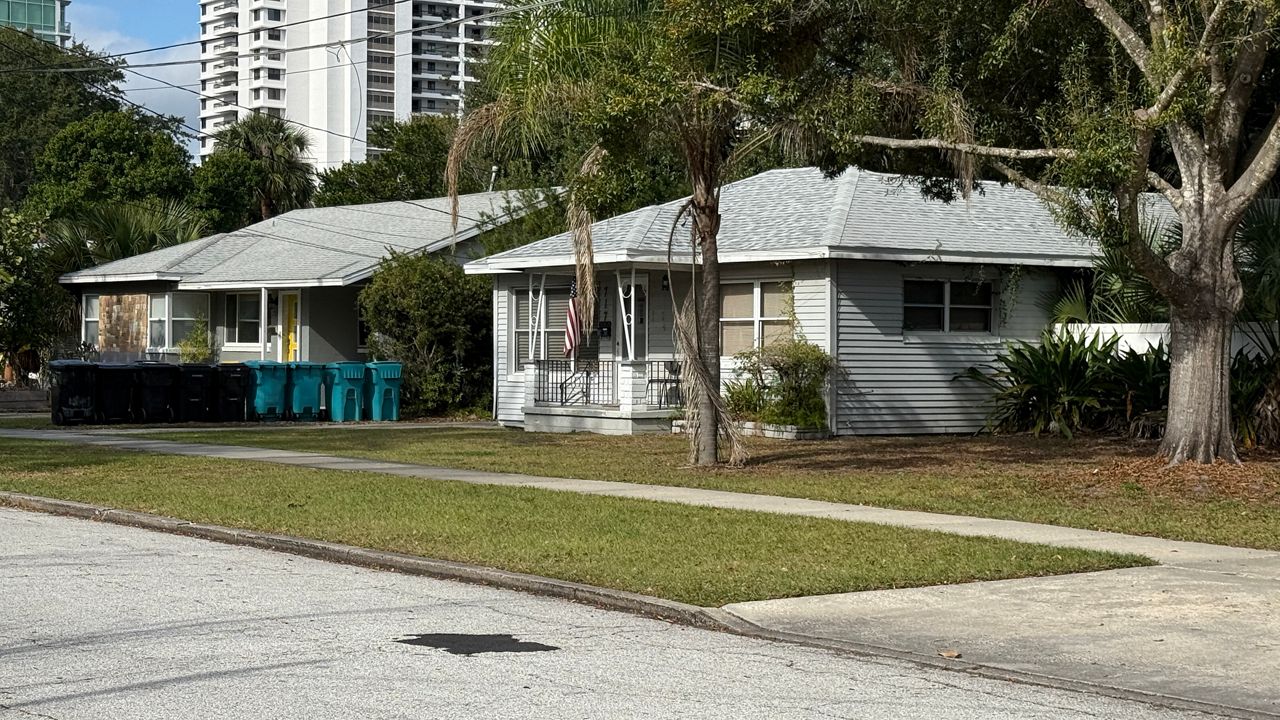
At long last… Florida homeowners may be catching a much‑needed break. As 2025 comes to a close, several insurance companies are proposing real premium reductions for 2026. After years of soaring rates, rising deductibles, insurer exits, and widespread frustration, the Florida insurance market is showing early signs of actual recovery — and in some cases, even dramatic improvement.
Quick Highlights
- Florida’s 2022 insurance reforms are finally producing tangible results.
- Citizens Property Insurance may reduce premiums for the first time since 2015.
- Some insurers propose double‑digit decreases depending on location.
- Private companies are returning to Florida with competitive pricing.
Why Rates Are Dropping for Many Homeowners
John Tankersley of Pine Street Insurance — a seasoned expert with nearly three decades in the field — explains that the market is healthier than it has been in years. According to him, more companies are submitting rate‑decrease filings to state regulators, marking a significant shift from the relentless premium escalations of the past decade.
Here are some of the proposed cuts for 2026:
- State Farm: 10% statewide reduction
- Florida Peninsula Insurance: 8.4% average reduction
- Patriot Select Insurance: 11.3% reduction
State regulators have already approved premium reductions for Heritage Property and Casualty Insurance Company:
9.6% in Seminole County and 7% in Osceola County.
What’s Driving the Change?
Heritage CEO Ernie Garateix reports that improved hurricane‑loss data over the past three years has given insurers a clearer picture of expected risks. This stability allows companies to adjust premiums in a more accurate — and often lower — direction.
That said, savings won’t be universal. Rates will still vary heavily by ZIP code, claims history, and local loss ratios.
Citizens Insurance Also Proposes Cuts
Florida’s insurer of last resort, Citizens Property Insurance, is proposing a statewide average decrease of 2.6%. Even more promising, approximately 60% of policyholders may see reductions averaging 11.5%, pending approval.
As private carriers re-enter the market, thousands of Citizens policyholders are now receiving private-sector offers once again — something many haven’t seen in years.
Tip: Tankersley reminds homeowners they are not required to accept private offers. His advice: “Call your agent and shop around.”
What This Means for Real Estate and Insurance Professionals
Lower premiums can help drive affordability, increase loan approvals, and boost buyer confidence — opening doors for more successful closings and smoother transactions. For mortgage and real estate professionals, 2026 may usher in a much‑needed market revival.
Professionals looking to strengthen or expand their licensing in this improving environment can explore programs at Cameron Academy, a leader in real estate, mortgage, and insurance education across Florida and nationwide. Staying informed and credentialed is a powerful way to stay ahead as the market evolves.
Source
Full article available at Spectrum News 13:
https://mynews13.com/fl/orlando/news/2025/12/19/more-home-insurance-companies-plan-rate-decreases-for-2026















