Florida Homeowners Are Facing the Nation’s Highest Insurance Burdens — And Many Say They’re Near a Breaking Point
New findings about Florida’s homeowners insurance market confirm what many residents have been feeling for years: costs have escalated to crisis levels. A recent report from Bankrate reveals that the average Florida homeowner now pays $5,838 per year—roughly $3,000 more than the national average—firmly placing Florida in the top tier of the most expensive states for home insurance.
This isn’t just another statistic. For families, retirees, and first-time buyers, the rising cost of keeping a home insured affects budgets, relocation decisions, and even homeownership itself.
“Everything’s Tripled” — Homeowners Tell Their Stories
West Palm Beach homeowner Jeff Heun shared that his insurance premiums jumped from $3,400 to nearly triple that amount. At one point, he considered filing a claim—until he discovered that doing so would double his premiums overnight.
Source Spotlight: WPTV’s investigative coverage of Jeff Heun and other Palm Beach County residents showcases how widespread—and deeply personal—Florida’s insurance challenges have become. Their full report is available through WPTV News Channel 5.
Another resident expressed frustration after learning that his required wind coverage, tied directly to his mortgage, is consuming a growing share of his income. Instead of investing in protective upgrades like impact-resistant windows and doors, he feels trapped paying premiums that offer diminishing value.
Some Floridians Are Opting Out Entirely
One woman interviewed by WPTV said she hasn’t carried homeowners insurance in 25 years. She prefers to set aside the money herself and pay out-of-pocket if disaster strikes. While risky, increasing numbers of Floridians are quietly adopting similar strategies.
Denied Claims and Delayed Help — A Growing Pattern
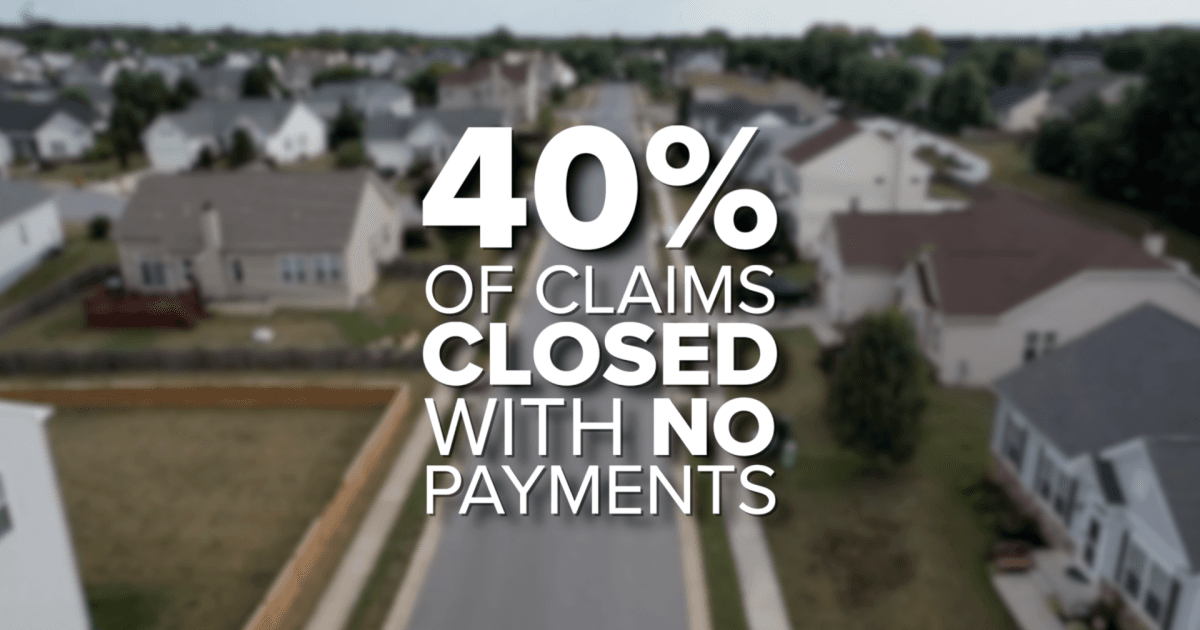
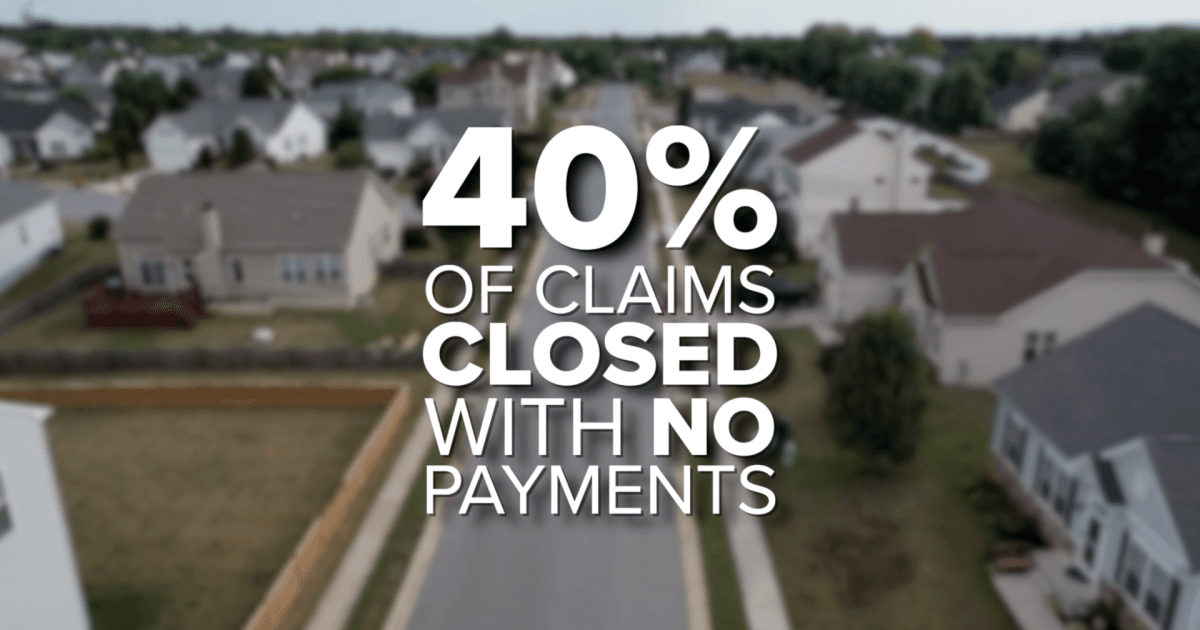
New data underscores a troubling trend. Florida ranks among the worst states for denied claims, with just over 40% of claims closing with no payment at all.
Residents Bob and Pam Fix of Loxahatchee know this firsthand. When a tornado caused more than $40,000 in damage to their home, their insurer initially offered a mere $4,500. Only after WPTV began investigating did the Fix family receive their full $41,000 approval. Without that intervention, their outcome might have been drastically different.
Read the full WPTV investigation that helped unlock the Fix family’s insurance payout →
The Reform Battle Heating Up in Tallahassee
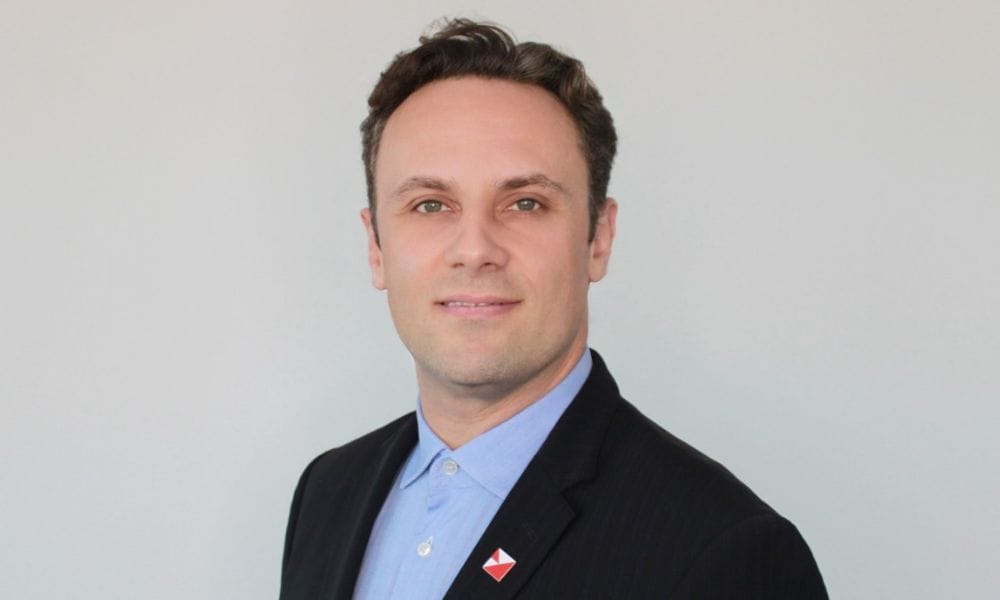
With premiums rising and claim denials escalating, the pressure on state lawmakers continues to mount. Dr. Martin Weiss of Weiss Ratings warns the situation is nearing a breaking point: “Unless this is reversed in Florida and beyond, I see a bigger problem ahead.”
Weiss is collaborating with the Insurance Fairness Project and Senator Carlos Guillermo Smith, who advocates for increased transparency into insurance company financial practices—including often-overlooked affiliated managing general agents who may be inflating consumer costs.
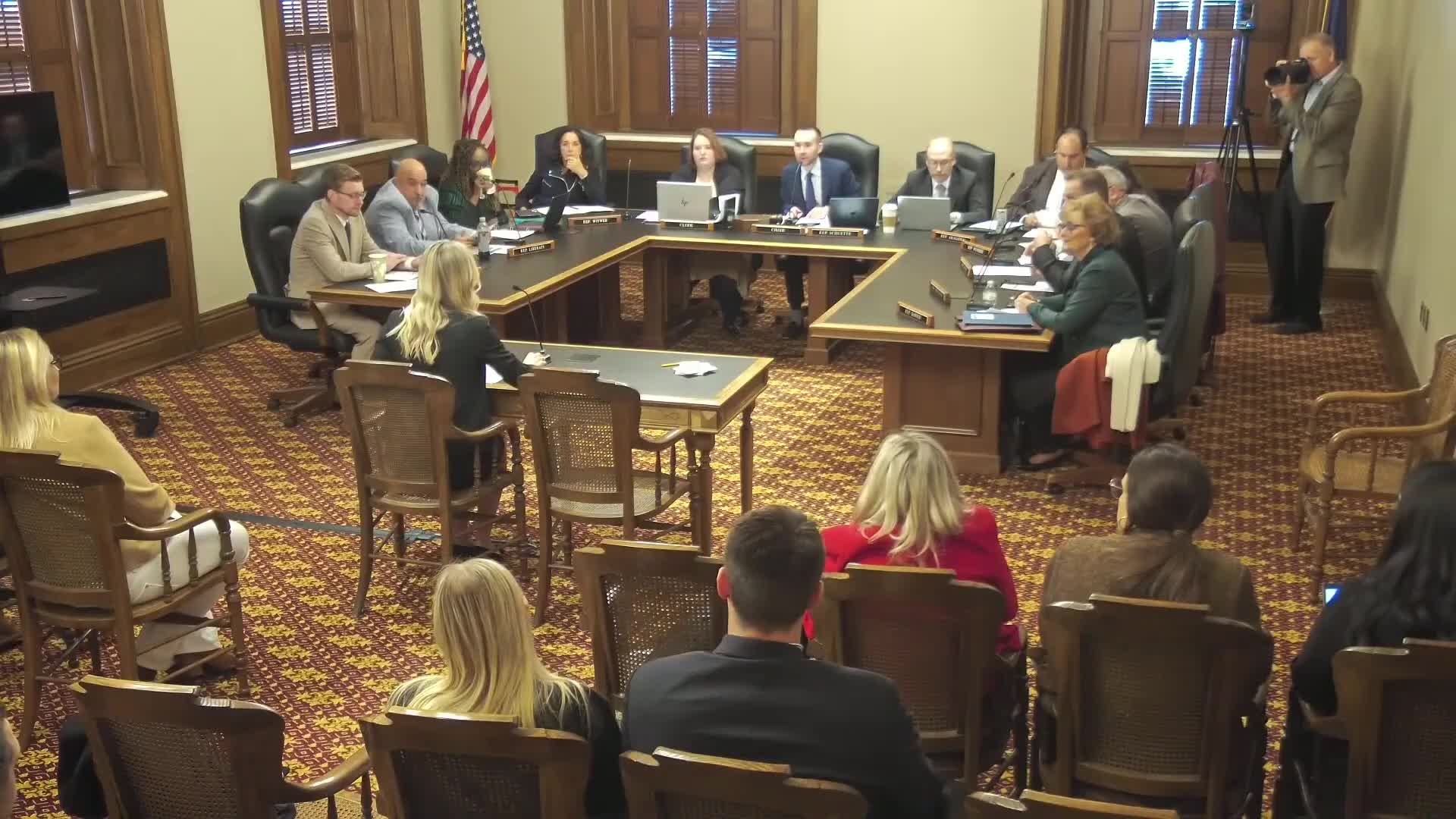
But the path forward isn’t simple. Legislative reform efforts are clashing with Florida’s Republican supermajority. Senator Smith and his allies are pushing proposals such as capping rate increases and temporarily removing taxes on impact-resistant home upgrades like windows, doors, and garage doors.
Supporters argue these improvements could reduce storm-related losses and eventually lower premiums—but whether lawmakers will act remains uncertain.
What This Means for Real Estate & Licensed Professionals
This crisis isn’t just hitting homeowners. Real estate agents, mortgage brokers, appraisers, and insurance professionals are feeling the ripple effects across the entire industry. Premium increases are now a significant factor in whether deals close—or collapse.
For those entering or expanding careers in these fields, expertise is becoming a powerful advantage. Understanding insurance structures, mitigation credits, and Florida-specific risk factors can set professionals apart and better equip them to guide clients through complex decisions.
That’s where schools like Cameron Academy make a difference. Offering licensing and continuing education across real estate, mortgage, insurance, finance, and more, Cameron Academy helps students stay ahead of rapidly evolving industry trends—especially during times of uncertainty like this.
The Road Ahead
Florida homeowners are facing unprecedented challenges: the nation’s highest premiums, high claim denial rates, and legislative uncertainty. Yet with intense media coverage from organizations like WPTV and growing political attention, momentum for reform is building.
Whether the state can bring meaningful relief remains to be seen—but for now, Floridians continue watching, waiting, and hoping change arrives sooner rather than later.