Florida’s Insurance Crisis Reaches a Boiling Point — New Findings Show Homeowners Struggling Under Nation-Leading Premiums
New findings from WPTV News Channel 5 highlight a growing financial emergency for Florida homeowners as insurance premiums keep climbing. According to a recent Bankrate.com analysis, Floridians now pay an astonishing$5,838 per year — nearly $3,000 more than the national average — placing the state among the most expensive in the country for homeowners coverage.
“It’s getting pretty expensive here.” West Palm Beach homeowner Jeff Heun revealed his premiums once sat at $3,400 — but now, he says, “everything’s tripled.”
For retirees and families on fixed incomes, these inflated costs are creating painful choices: whether to relocate, cut back on essentials, or drop coverage entirely. One longtime resident even told reporters they haven’t carried homeowners insurance in more than 25 years — instead saving the money and hoping disaster never knocks.
Real Stories of Relief — and Frustration
In Loxahatchee, Bob and Pam Fix faced more than $40,000 in tornado damage. Their insurance provider initially offered just $4,500 — a shockingly low amount. But after an investigation by WPTV’s Kate Hussey, the payout jumped to $41,000, finally giving the couple hope of starting repairs. Their ordeal mirrors those faced by countless Floridians fighting for fair claim outcomes.
Dr. Martin Weiss of Weiss Ratings warns the crisis is accelerating and emphasizes the urgent need for transparency and consumer protection. Meanwhile, State Senator Carlos Guillermo Smith is pushing new reforms aimed at curbing excessive profits and tightening oversight on affiliated managing general agents.
Proposed measures now under consideration include:
Capping annual rate increases between 10% and 15%
Eliminating taxes on impact‑resistant upgrades like windows, doors, and garage doors
Strengthening accountability for insurers that mishandle or unfairly deny claims
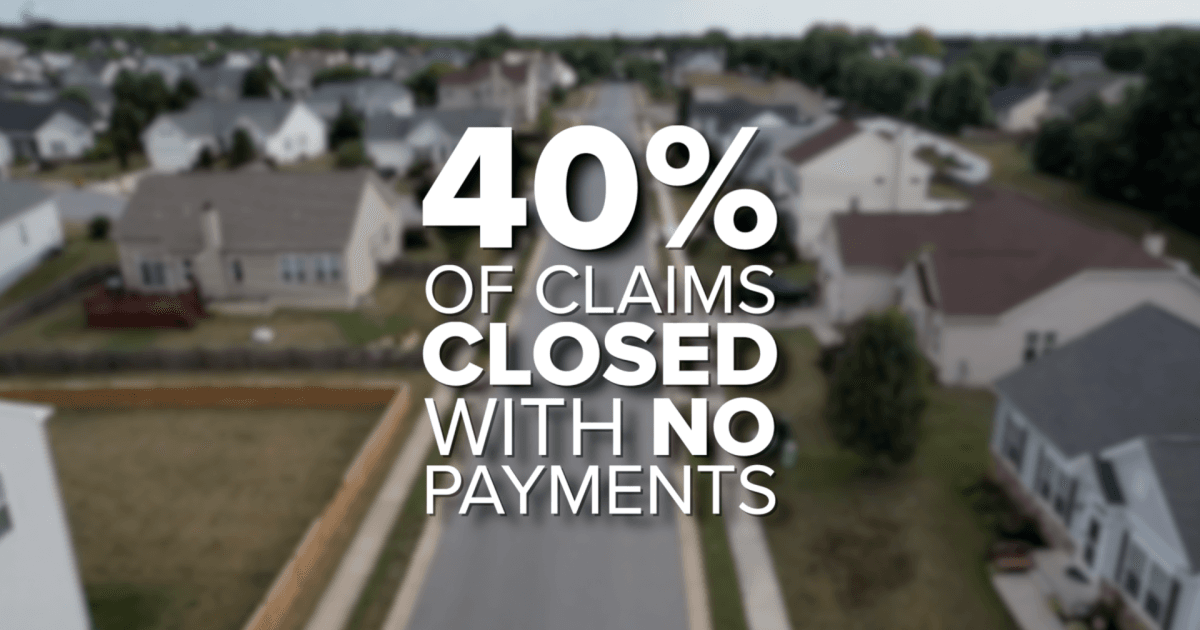
The broader picture remains deeply concerning. Florida ranks among the worst states for denied claims — with over 40% closed with no payment. Additionally, Florida leads the nation in non-renewals at 3.3%.
The Bigger Picture for Real Estate & Insurance Professionals
With premiums rising and legislation shifting rapidly, real estate, finance, and insurance professionals must stay informed to properly guide clients. Understanding these industry shifts isn’t optional — it’s becoming essential expertise for navigating Florida’s property markets.
For those looking to advance or update their careers, ongoing education is vital. That’s why institutions like Cameron Academy continue helping real estate, mortgage, and insurance professionals stay ahead of these evolving challenges with high‑quality, flexible licensing and CE courses.
A Storm That Still Needs a Forecast
Whether lawmakers can push meaningful reforms through a divided political landscape remains uncertain. But for now, Florida homeowners continue watching closely — hoping relief arrives before premiums edge even higher.
To explore the full investigative report and real-time updates, visit WPTV News Channel 5: WPTV’s original coverage.
More Articles
Getting licensed or staying ahead in your career can be a journey—but it doesn’t have to be overwhelming. Grab your favorite coffee or tea, take a moment to relax, and browse through our articles. Whether you’re just starting out or renewing your expertise, we’ve got tips, insights, and advice to keep you moving forward. Here’s to your success—one sip and one step at a time!
Commercial real estate is entering a decade of major transformation driven by interest rate pressures, evolving work culture, rapid proptech innovation, and growing demand for AI-focused infrastructure. While the global CRE market is projected to reach $133.5 trillion by 2028, rising rates, shifting office demand, and increasing sustainability requirements are reshaping how professionals invest, manage, and develop properties. By 2030, the biggest opportunities will center on mixed‑use conversions, data center growth, premium office spaces, and ESG‑driven upgrades.
The National Association of Realtors’ landmark antitrust settlement is transforming how real estate agents negotiate compensation, work with buyers, and handle transparency in transactions. With MLS‑posted buyer‑broker commissions eliminated and written buyer agreements now required, both consumers and professionals are navigating a new, more transparent landscape. While commission levels have only dipped slightly, the real shift is in how openly compensation is discussed and negotiated—creating new challenges and opportunities for agents who adapt quickly.
Artificial intelligence is no longer a novelty in real estate — 2025 marks its breakthrough year as a dependable pillar of the proptech industry. With investors pouring capital into AI‑powered forecasting, security, automation, and property management tools, the sector is shifting from experimentation to full‑scale adoption. Brokerages, developers, and institutional players now rely on AI to streamline due diligence, enhance market modeling, reduce risk, and optimize building operations. As adoption accelerates, professionals who understand and leverage these technologies are gaining a decisive competitive edge in fast‑moving markets like Florida.
A new episode of Current Account breaks down why the insurance industry is heading into 2026 with more uncertainty — and more opportunity — than ever. From shifting global regulations and rising catastrophe risks to FSOC’s evolving role in the U.S., industry leaders Jérôme Haegeli and Philippe Brahin explain how insurers are being pushed to rethink strategy in real time. With global premium growth expected to slow and regulatory pressures rising, professionals in insurance and financial services are turning to education and new skills to stay ahead in a rapidly changing market.
New Jersey is quietly becoming one of the hottest commercial real estate markets in the nation, with Jersey City and North Jersey breaking into the top 10 in PwC’s 2026 Emerging Trends report. Fueled by redevelopment momentum, data‑center demand, mixed‑use transformations and a surge in health‑care projects, the state is drawing major investors while still battling rising construction costs and municipal fatigue. For real estate professionals, the Garden State’s evolution signals fresh opportunity—and a market worth watching closely heading into 2026.
The National Council of Insurance Legislators is pushing back against President Trump’s new executive order on artificial intelligence, arguing that it threatens decades of state‑based insurance oversight. NCOIL leaders say federal attempts to centralize AI authority could disrupt markets, weaken consumer protections, and limit states’ ability to innovate—setting the stage for a significant legal and political battle with major implications for insurance professionals who rely on AI‑driven tools and regulatory clarity.