Florida Homeowners Brace for Another Year Without Insurance Relief
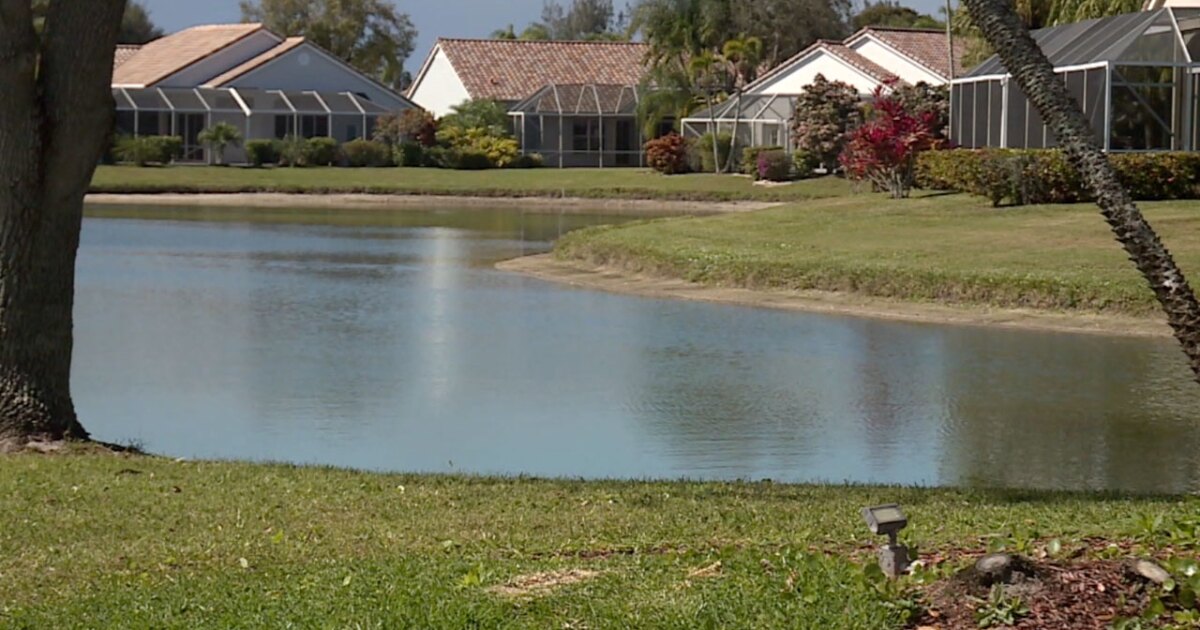
As Florida’s legislative session reaches its midpoint, one message has grown impossible to ignore: homeowners should not expect any new insurance relief this year. Despite widespread frustration over soaring premiums, lawmakers appear firmly set on avoiding any new insurance reform for 2026.
A Growing Concern for Homeowners
For Floridians across the state, this lack of legislative action is more than a political footnote—it’s a financial turning point. Broward County resident Lisa Riggi shared the painful reality many families are living with.
“We’re looking at moving… it’s not affordable for us to stay here anymore,” Riggi told WPTV.
Stories like hers continue fueling debates over whether earlier reforms were enough to stabilize Florida’s increasingly fragile insurance market.
Republican Leaders Say the Market Is Improving
Senate President Ben Albritton maintains that lawmakers have already pushed through significant insurance reforms in recent years, especially targeting litigation and lawsuit abuse. Republican leaders argue these changes are finally beginning to settle into the system—and that the market simply needs time to correct itself.
Industry insiders share a cautiously optimistic outlook. Windward Risk Managers’ Stacey Giulianti even suggests that rate decreases could be on the horizon—if economic conditions stabilize.
“If inflation stays solid… you’re going to see rates come down again,” Giulianti said.
Democrats Push Back, Calling for Immediate Action
Senate Minority Leader Lori Berman expressed frustration over shelving all insurance proposals this session, including a bold plan for a multi-state risk-sharing compact requiring participation from at least 14 states.
Democrats have submitted 11 insurance-related bills this year—yet every one of them remains stalled under the Republican majority.
What Lawmakers Are Focusing on Instead
With insurance issues set aside, Florida lawmakers are redirecting their attention toward property tax relief—another financial strain impacting families statewide.
Why This Matters for Real Estate Professionals
Insurance volatility doesn’t operate in a bubble—it directly shapes Florida’s real estate landscape. For real estate professionals, mortgage advisors, and insurance agents, staying ahead of legislative trends is essential.
This is where Cameron Academy continues to support industry experts. Whether you’re renewing your professional license or expanding into a new field, our courses help you stay aligned with the ever-evolving regulatory environment shaping your career.
Getting licensed or staying ahead in your career can be a journey—but it doesn’t have to be overwhelming. Grab your favorite coffee or tea, take a moment to relax, and browse through our articles. Whether you’re just starting out or renewing your expertise, we’ve got tips, insights, and advice to keep you moving forward. Here’s to your success—one sip and one step at a time!
Cameron Academy's state-approved 63-hour Florida Real Estate Sales Associate Pre-License Course begins April 13, 2026 at the Dr. Phillips campus in Orlando. Attend in person or join live via Zoom. Morning schedule, expert instruction, and only 14 seats remaining. Enroll now before this class fills up.
The Florida real estate licensing exam is the single biggest gatekeeper between you and a career in one of the nation's most active real estate markets. And the numbers don't sugarcoat it: roughly half of all first-time test-takers in Florida walk out without a passing score. According to data compiled by Colibri Real Estate, Florida's first-time pass rate sits at approximately 51%, with about 41,900 candidates taking the exam each year.
Part-Time vs. Full-Time: Can You Get Your Real Estate License While Working a 9‑to‑5? The honest, data-backed guide to earning your license around a day #ReadMore
Florida’s 2026 legislative session brought significant victories for real estate professionals, with Realtor advocacy preserving key regulatory structures, strengthening property rights, improving major housing programs, and protecting agents from new liabilities. From blocking the dismantling of the Florida Real Estate Commission to advancing bills that support safer, more transparent transactions, these wins shape a more stable future for Florida agents, brokers, and consumers.
AI‑enhanced listing images are transforming real estate marketing, but they’re also creating a growing trust problem. Tools that once simply brightened rooms can now erase damage, add furniture, or even generate entirely new scenes, fueling a trend known as “housefishing.” As complaints rise and states like California introduce disclosure laws, the industry is being forced to confront a new reality: the more perfect the photos get, the more renters and buyers crave authenticity.
Florida homeowners hit by Hurricane Milton face an important April 9 deadline to file or reopen supplemental insurance claims. With more than 385,000 claims and over 5.6 billion dollars in losses already reported, experts warn that waiting until construction is completed could leave families without the additional funds they’re owed. An 18‑month window applies to supplemental claims, and missing it could cause insurance companies to deny further reimbursement.